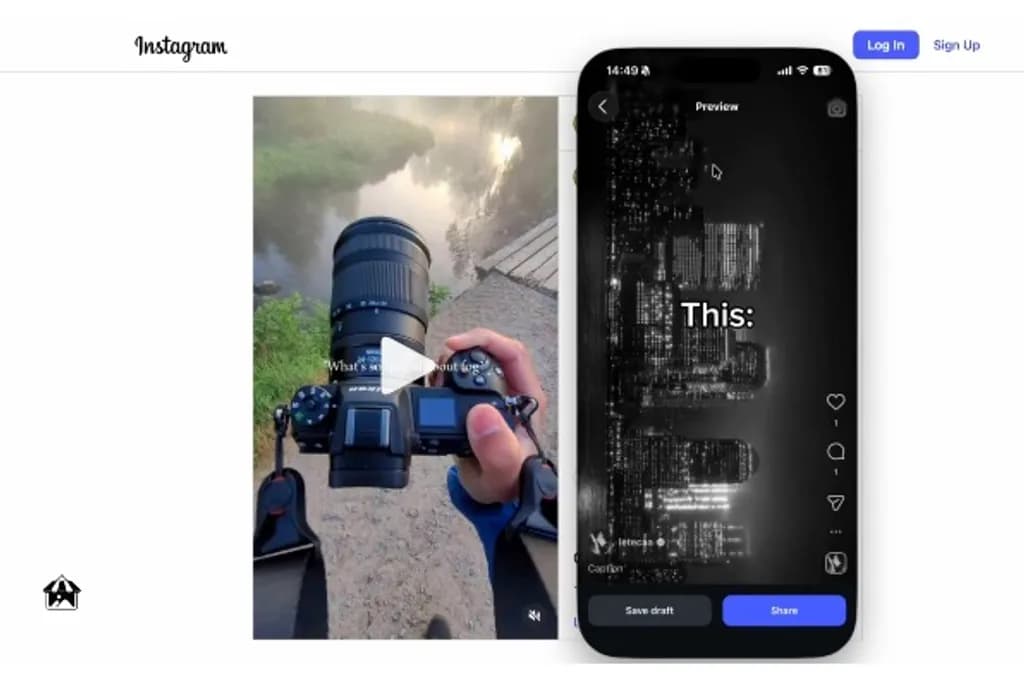
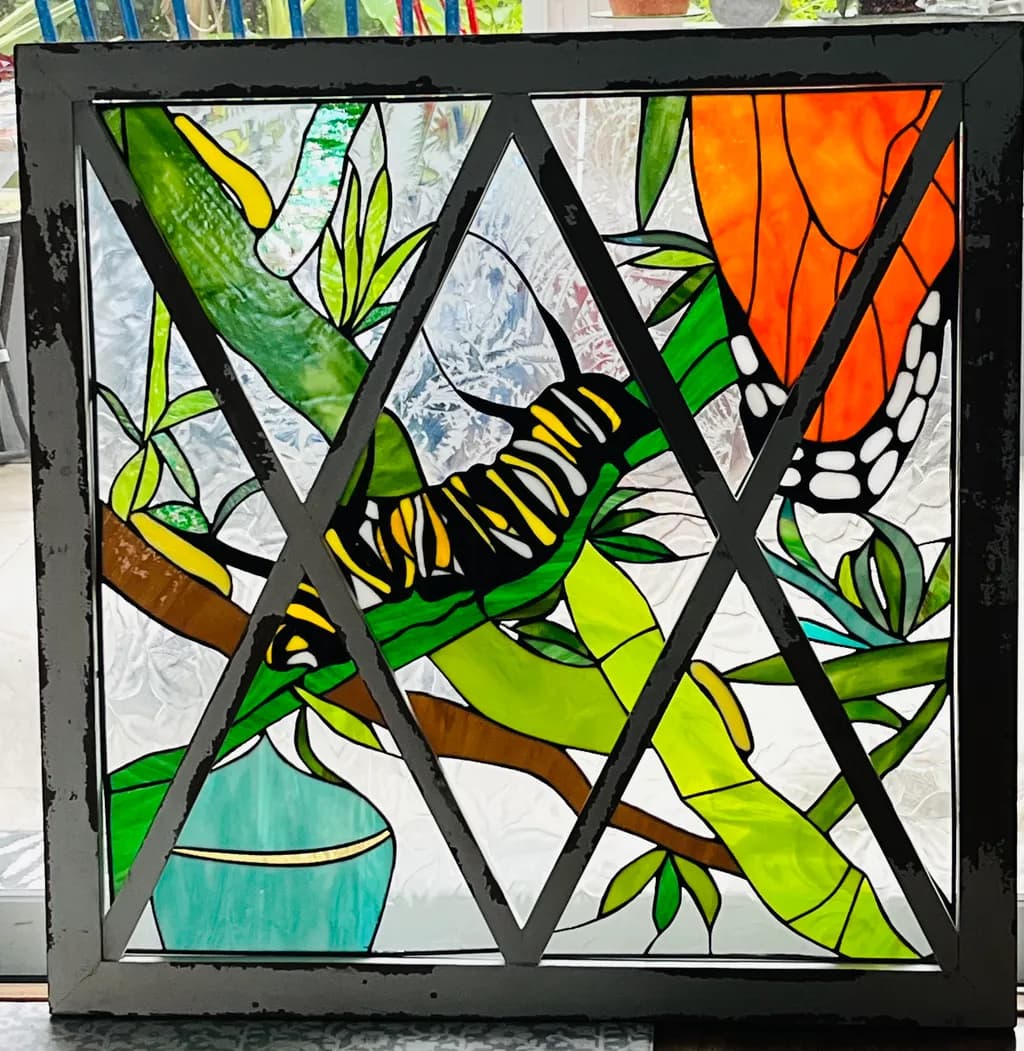
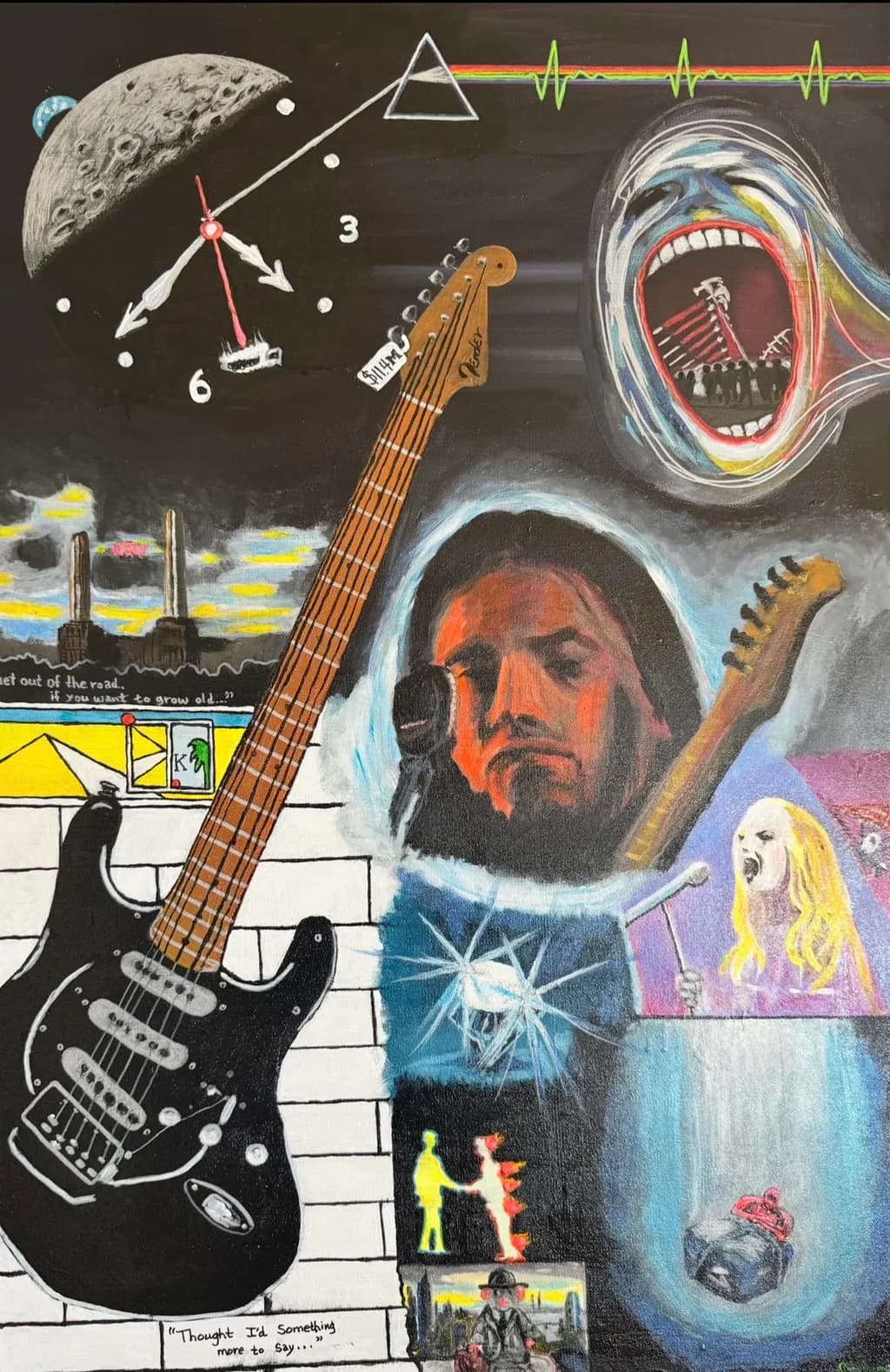
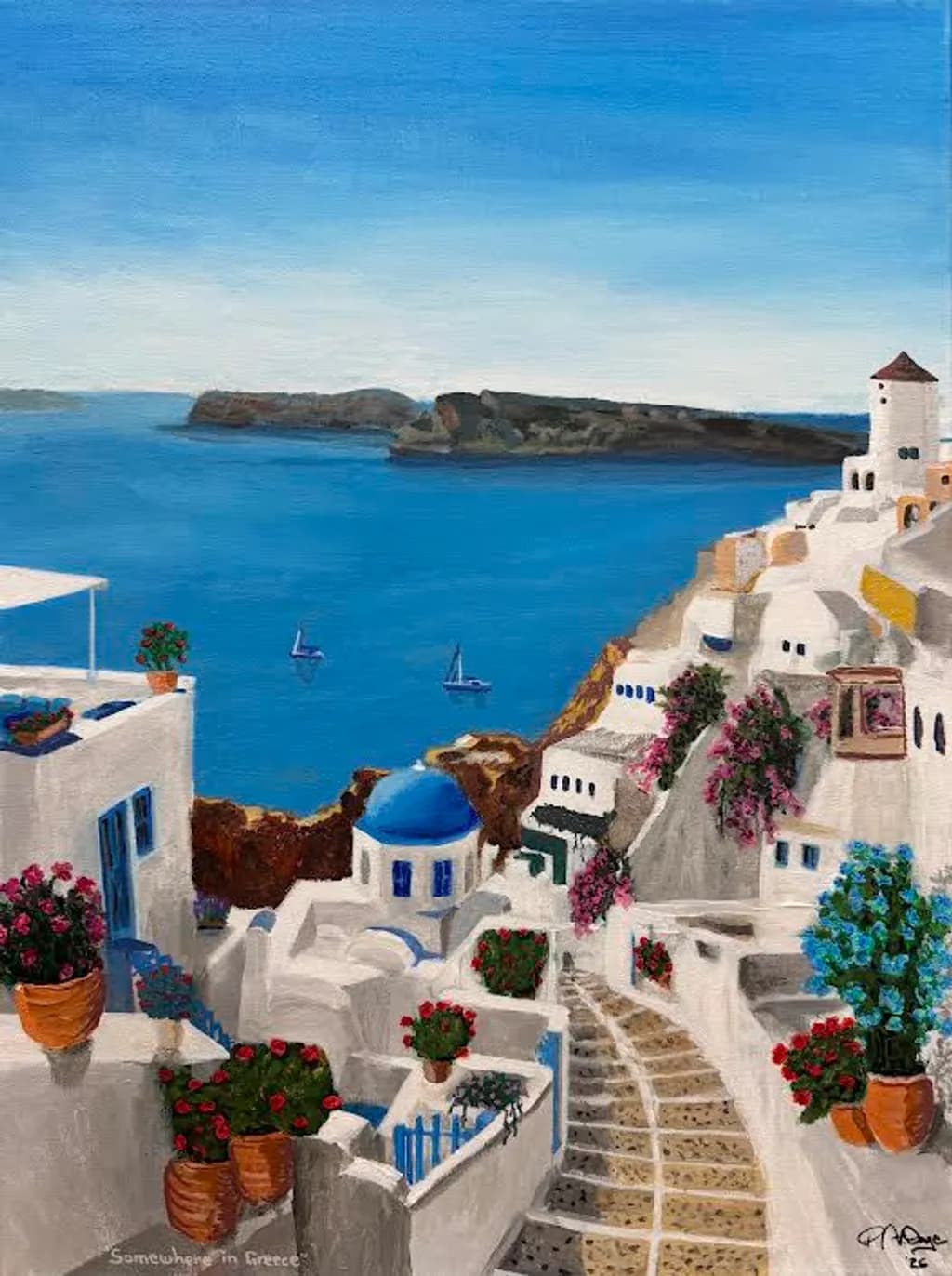
Une façon intéressante de penser à la façon dont vous publiez sur les réseaux sociaux...


© 2026 Art Storefronts
v4.3.9
Nous discutons des épisodes, des coachings de Patrick, des demandes d'invités, des idées d'épisodes, et des bavardages généraux.


Votre Instagram ne est pas cassé. C'est votre programmation qui l'est.
La plupart des artistes traitent leur fil d'actualité comme un mur de galerie — art, art, art, art, art. Le problème ? Personne ne parcourt une galerie sur son téléphone à 23h sur le canapé. Personne ne veut visiter une galerie quand elle pousse une poussette vers le parc à 10h30 du matin. Les réseaux sociaux ne sont pas une galerie. C'est une chaîne de télévision. Et les chaînes de télévision ont besoin de programmation entre les publicités.
Vos publications artistiques ? Ce sont ces publicités. Quelle est l'émission ?
Voici ce que le directeur d'Instagram lui-même, Adam Mosseri, a confirmé : Les partages en DM sont pondérés 3-5 fois plus que les likes pour atteindre de nouveaux publics. Cela signifie que 10 partages surpassent 100 likes. La publication la plus drôle dépasse la plus belle. Et vos 9-12 dernières publications entraînent l'algorithme — si tous les 12 sont des œuvres avec peu d'engagement, Instagram catégorise littéralement votre compte comme passable.
La solution s'appelle ce que j'appelle la batterie d'engagement. Les publications divertissantes chargent la batterie — elles génèrent des partages, du temps de visionnage, des commentaires. Les œuvres d'art et les publications de vente consomment cette énergie. Si vous ne publiez que des œuvres, la batterie est toujours à plat. Vous criez dans le vide.
Et je n'enseigne pas cela à partir d'un manuel. Art Storefronts a 200-300K abonnés sur Instagram et Facebook avec un engagement fou — et notre contenu est un logiciel pour artistes. C'est comme essayer de faire prendre du sirop contre la toux à de tout petits enfants. Si nous pouvons rendre cela divertissant, vous pouvez absolument rendre votre parcours artistique divertissant.
Les preuves sont partout. Alison Lukes — une conservatrice de galerie de 77 ans — a obtenu 9 millions de vues d'une seule vidéo utilisant le slang de la génération Z. La publication la plus virale de l'histoire de la National Gallery. Devin Rodriguez est passé de zéro vente à 35 millions d'abonnés TikTok en dessinant des portraits dans le métro et en filmant les réactions. Sa citation : "Je peignais aussi bien il y a cinq ans. Ça n'aboutissait tout simplement pas." BarkBox génère plus de 500 millions de dollars de revenus avec un fil Instagram presque entièrement composé de mèmes de chiens — pas une seule photo de produit.
Les outils pour faire cela sont d'une simplicité embarrassante. IMGflip — choisissez un modèle, tapez vos mots, téléchargez en 30 secondes. Supermeme.ai — tapez ce que vous voulez, l'IA le crée. Know Your Meme pour faire des recherches sur ce qui est tendance. Aucune compétence en design requise. La seule chose nécessaire, c'est la créativité. Et vous êtes artistes — vous l'avez déjà.
Vous n'avez pas besoin de devenir une page de mèmes. Vous devez simplement arrêter d'être une page uniquement artistique. Même 2-3 publications divertissantes par semaine, mélangées à vos œuvres, changent la donne. 66% des consommateurs trouvent le contenu divertissant le plus engageant pour une marque. 60% sont plus susceptibles d'acheter auprès de marques utilisant des mèmes.
Votre défi cette semaine : créez un mème. Postez-le. Regardez ce qui se passe lorsque vous commencez à charger la batterie.
🎧 Épisode complet : https://youtu.be/-NDBTXQBmgo
Bonjour à tous, je suis Nysie, une ancienne éducatrice en sciences devenue artiste vivant à Boone, en Caroline du Nord. Mes peintures et œuvres en médias mixtes sont inspirées par la lumière et la couleur en constante évolution des montagnes Blue Ridge, ainsi que par mon propre parcours à naviguer dans la vie avec la SEP. L’art est devenu un moyen de trouver de la résilience et de l’équilibre, et c’est maintenant la façon dont je partage ces moments silencieux de merveille avec les autres.
J’ai découvert Patrick pour la première fois à travers son Art Marketing Podcast et son contenu sur YouTube, c’est ainsi que j’ai entendu parler d’Art Storefronts et finalement d’Art Helper. Ses conseils francs et honnêtes ont rendu le côté commercial en tant qu’artiste beaucoup moins intimidant et beaucoup plus réalisable.
En raison de ma SEP, il me est souvent difficile d’organiser mes pensées de manière cohérente sur papier, et Artie a honnêtement été un changement de jeu — j’ai pu publier plus et continuer à avoir l’air moi-même. Je suis vraiment reconnaissante pour l’invitation et heureuse d’être ici dans cette communauté, et j’ai hâte d’apprendre et de grandir ensemble.


Gary Vaynerchuk vient de publier un énorme post intitulé "Les médias sociaux sont morts. L'intérêt médiatique est là." — et que vous l'adoriez ou que vous leviez les yeux au ciel, le message de fond est en plein dans le mille pour les artistes en ce moment. Voici ce qui compte pour vous :
L'algorithme ne se soucie plus du nombre de followers que vous avez.
Les médias sociaux avaient l'habitude de récompenser ceux qui arrivaient en premier et avaient une grande communauté. Cette époque est révolue. Toutes les grandes plateformes — Instagram, TikTok, YouTube, Facebook, LinkedIn — montrent désormais du contenu basé sur ce qui intéresse les gens, non plus sur qui ils suivent.
Qu'est-ce que ça signifie pour vous ? Votre prochaine création a autant de chances de devenir virale que celle de quelqu'un avec 15 millions de followers. Gary l’a prouvé : il a créé un nouveau compte TikTok avec zéro follower, a posté une vidéo, et cela a atteint 9,4 millions de vues. La même vidéo sur son compte de 15 millions de followers ? 300 000 vues.
Relisez cela.
Voici ce que cela signifie si vous êtes un artiste :
1⃣ Arrêtez d’attendre d’avoir "assez" de followers pour publier. L’algorithme regarde le contenu, pas votre nombre de followers. Votre troisième post pourrait tout changer.
2⃣ Créez différents types de contenu. Ne vous limitez pas à poster vos peintures finies. Montrez le bazar, la palette, les choses bizarres qui vous intéressent. Racontez l’histoire derrière chaque œuvre. Plus vous créez de contenu varié, plus vous pouvez atteindre différents publics via l’algorithme.
3⃣ Vous n’avez pas besoin d’être face à la caméra. Si vous détestez la vidéo, Gary mise beaucoup sur Substack en ce moment — contenu écrit, newsletters, établir une relation directe avec votre audience. Cela vous rappelle quelque chose ? Ça ressemble à ce que nous avons toujours dit sur les listes d’emails.
4⃣ La seule chose que l'IA ne peut pas remplacer, c’est la marque. C’est le point essentiel. L’IA facilitera la recherche d’« art » de manière générique. Mais quand quelqu’un dit « Je veux de l’art de [VOTRE NOM] » — c’est la marque. C’est ce que vous construisez chaque fois que vous montrez votre travail et partagez votre histoire. Les artistes qui se font connaître maintenant auront un avantage quand l’IA transformera la façon dont les gens découvrent et achètent.
5⃣ 2026, c’est pour agir, pas pour planifier. Arrêtez de penser à poster. Arrêtez de planifier votre calendrier de contenu pour la 47e fois. Créez quelque chose et publiez-le. Aujourd’hui.
Le jeu n’a jamais été aussi ouvert pour les artistes indépendants. Les barrières ont disparu. La seule question est : allez-vous vraiment jouer ?
Bonjour, je m'appelle Carolynne et je viens de rejoindre. Je suis encore en train d'apprendre tout, y compris comment faire la promotion efficacement de mon art. Je progresse, même si lentement. J'espère que tout le monde passera une excellente journée.
Hello,
I'm posting because this morning, I have got a request from Instagram DM: the client ask me if it's possible to buy some images with NFT's.
It's my first client with ASF, and as It's about 1 month since I signed my website with ASD, what should I do? Does It's worth to sell images this way,I would prefer to have a business with real money due to the fact I'm not into digital stuff.
Someone have suggestions and have had the same matter?
The written word and the spoken word are different.
The thoughts behind the words are the same, but the choice and even the pronunciation of select words often differ. And that’s because we don’t speak the way we read and write.
I can go on.
Anybody interested?
Hey Patrick, thanks for inviting me to the community.. Glad to be here.. Not sure what it is totally about yet, but we shall see what is being discussed here as topics of discussion.. just took a quick glance and am impressed so far. But I do have an interesting question for you, I think? As you may or may not know I have created a community entitled "Poetry and Art". So far I think there are about 9 members. So the intention was to combine the two mediums as an art piece, roughly speaking. But here is the question.. are the poems on this site now copyrighted and protected now in some way? I understand the concept of the water mark but how about a written poem that is "published" on this site? Thanks for any input and or response..
I am prepared to start doing some hand to hand combat in here.


So I saw this post today and it absolutely blew me away. The advice from @Michael Rocharde is just so sage here. Phenomenal, phenomenal post on his part.
I got so inspired I made a carousel out of it. Everybody go follow him.
I can't wait to hear more from him along these lines because this is just really, really good advice. Great framing. Copy this. Steal this. Make this your playbook.

A 77-year-old woman stands behind a 16th-century Florentine urn in the National Gallery of Art, looks straight into the camera, and says: "Haters will say this urn is mid, but they don't know we've clocked its tea."
2.1 million views. Three days. No paid promotion. No trending audio. Just a white-haired curator dropping Gen Z slang with the confidence of someone who's been studying Renaissance sculpture for four decades.
Her name is Alison Luchs. She's the Deputy Head of Sculpture at the National Gallery of Art in Washington, D.C. She's been there for over 40 years. And she just became one of the most-watched people on art Instagram — because an intern taught her to say "bussin" and the social media team hit record.
The videos are hilarious. She opens with "Chat, peep this" and delivers lines like "All fax, no printer, people have been remixing art from day one." She's deadpan. She's committed. And she clearly has no idea what half these words mean — which is exactly what makes it work.
But strip away the comedy and there's something real here. The National Gallery was trying to promote their Open Call — a program offering 50 artists $3,000 each to create short-form videos reinterpreting artwork from their collection. They needed a way to reach younger audiences. So instead of a polished press release, they let a 77-year-old curator be herself... with a script written by people a third her age.
The result? The most engagement the museum has ever gotten on a single post. By a landslide.
Now here's what this means for you. Most artists I talk to tell me some version of the same thing: "I'm awkward on video." "I don't know what to say." "Nobody wants to watch me." Sound familiar? Right?
This woman has the exact same disadvantages you think you have. She's not a content creator. She didn't grow up on TikTok. She has zero "influencer energy." And she crushed it — because she was authentic and the format was unexpected.
You don't need to learn Gen Z slang. You don't need to be funny. You just need to stop performing and start being the person who knows their craft so well that people can't look away.
Alison Luchs didn't go viral because of the slang. She went viral because you could feel 40 years of expertise underneath the comedy. That's what made people stop scrolling.
What's YOUR version of this? What's the unexpected format that could make your work impossible to ignore?
https://people.com/art-curator-goes-viral-using-gen-z-slang-to-explain-art-11926985


Absolutely wonderful testimonial Aruna. Thank you so much for leaving that. Testimonials like that keep me fired up to make new episodes.


You've seen their art. But have you ever seen where they make it?
A few weeks ago we launched a community called "Where I Create" inside Art Helper — and something unexpected happened. Artists started posting photos of their creative spaces. Not the curated, perfectly-lit studio shots. The real ones. The kitchen table covered in watercolors. The garage with a space heater and a cat on the stool. The corner of a spare bedroom where the carpet has paint on it that's never coming out.
And here's what surprised me: I've known some of these people for years. I've reviewed their Instagram, talked strategy with them, helped them grow their businesses. But I'd never seen where they work. And when I did? It was like meeting them for the first time.
Then the comments started rolling in — and the stories came flooding out. How they converted the garage. Why they paint at 5am before the kids wake up. The reason there's a photo of their grandmother taped to the easel. Photographers started showing their gear bags, their shooting locations — and the conversations started ripping.
That's when it hit me: this is the content nobody's making. And it might be the most powerful marketing tool artists aren't using.
Here's the thing — this isn't some niche idea. On Reddit, communities dedicated to showing where people work and create are among the most popular on the entire platform. r/battlestations (gaming setups) has 5.2 million members. r/CozyPlaces has 4.9 million. r/MusicBattlestations has 334,000. These are massive. And art studios? 1,700 people across two dead subreddits. The appetite was proven everywhere else. Artists just never got their version.
In this episode I break down why "where I create" content works so well, the psychology behind it, and — most importantly — I give you the exact prompts, frameworks, and even email copy you can use to start doing this today. On your socials, in your email list, everywhere you show up.
Your finished paintings show your skill. Your workspace shows your humanity. And people buy from humans they feel connected to.
I listened regularly and consistently to the art marketing podcast for probably a year before I was confident enough in myself and knew I was gonna put in the work to become an art storefronts member. I still didn’t do very good job at doing the work until Covid but I have been consistent since then and now I get to be a full-time artist and I just keep trying to grow every day. Thank you Patrick!
100 million people watch Instagram Live every day — but almost no artists use it. That's a massive opportunity hiding in plain sight. In this episode, I break down why Live is the most underused marketing tool for artists right now, how to get started with just your phone, and the gear and tactics that let you level up when you're ready.
In this episode:
• Why going live is the ultimate "proof of real" in the AI age — the one thing you can't fake
• The stats: 10x engagement vs. regular posts, plus front-of-Stories placement
• The graduated fear ladder: Practice Mode → Close Friends → Public
• Phone setup, pinned comments, scheduling, and the 3-second hook
• How to go live from your desktop for free with Instagram Live Producer
• StreamYard and Restream for multistreaming and rebroadcasts