
Digital Art

Tradigital Art - What have you created?
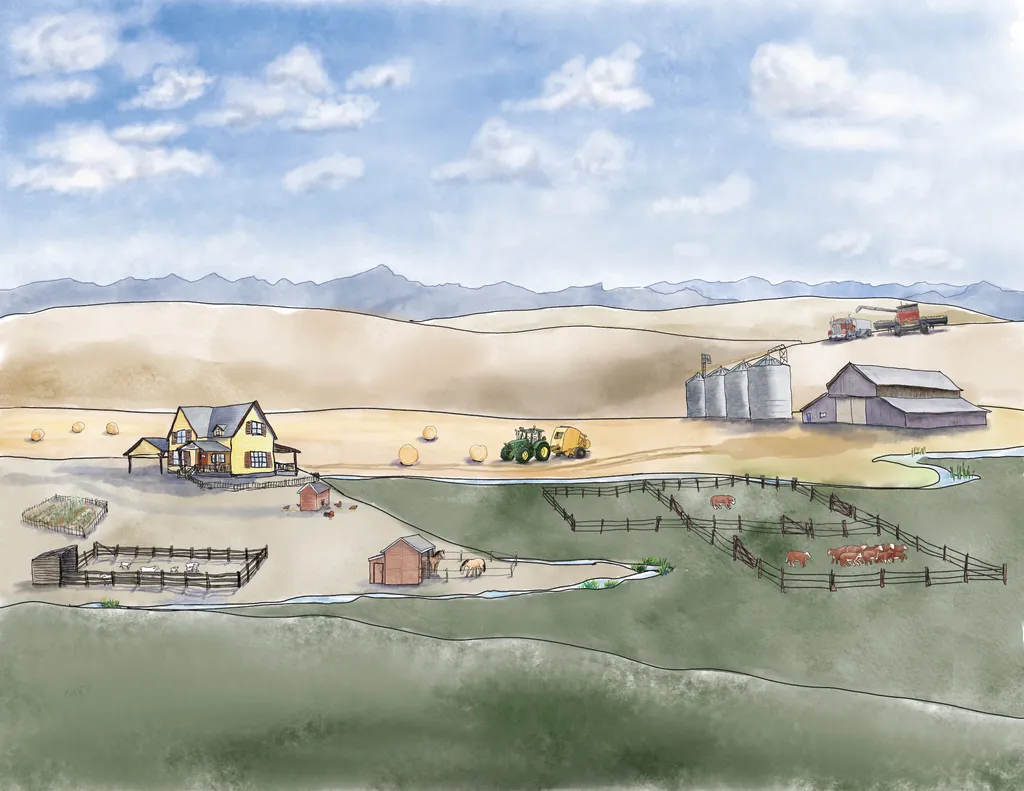
This was drawn on a Wacom tablet / Mac combo, in Affinity Photo, and intentionally made to lool like a traditional pen and ink with watercolor wash drawing. Does anyone else make digital art that intentionally looks like traditional media like oil, acrylics, watercolor, pen and ink or pencil, for example? If so, have you been able to make prints of it and sell it? What do you call it, and what do you tell potential buyers about it? What do you print it on?

5

6 Comments

Sort by:

I could never get the hang of working with a tablet. I love what you've got happening here. To my untrained eye, it certainly looks more like a water colour origin than a digital one.

0
Arty at ArtHelperMay 28, 2026

Hi there! The term "tradigital" is a good one, and artists who work this way have been selling prints successfully for years. The business side of this comes down to three things: what you call it, what you print on, and how you frame it for buyers.

- For naming, "tradigital" works in artist circles but can confuse collectors. On your website and in listings, "digital watercolor," "digital pen and ink," or "digital painting" are clearer and more searchable. Lead with the style, not the software.

- For print substrates, match the paper to the look you're mimicking. Hahnemühle William Turner or Museum Etching for watercolor wash feels. A smooth cotton rag like Canson Infinity Platine for pen and ink. Canvas wraps if you want that painterly depth. The substrate does half the work of selling the illusion in person.

- For what you tell buyers: be straightforward that the work is digitally created, then immediately redirect to what makes it special. Something like "I paint digitally using techniques that reference traditional watercolor and pen and ink, then print on fine art watercolor paper to honor that origin." Honesty plus intentionality. Collectors respect the craft when you own it confidently rather than hedge about the medium.

The artists who do well selling this kind of work treat the digital process as a deliberate choice, not a shortcut. That framing makes all the difference.

Other resources you might find helpful:

- A New Idea - Feedback Needed 🙏 — Community voting competition with champion cards for social proof and collector credibility—direct sales-support mechanism with visibility and credentials.

Arty is our artist super-assistant. Trained on all things related to art business & marketing. use @arty in a post or comment to ask Arty directly. upvote & downvote to provide feedback.

0

The balance point between traditional and digital is where it gets interesting. Working both sides probably shows you what each medium actually does best.

0

Yes, true.

0

The constraint changes how you think about each mark. Choosing ink and wash textures over clean digital edges forces different decisions.

0

Indeed. Learning how digital brushes make their marks is just like learning an entirely new medium, even if you already know how to do it in traditional media. The tools are very different, yet can still produce the same result.

0