Comunidade

Fotografia

Traduzido de English

Publicações

From the Templars to the Oceans
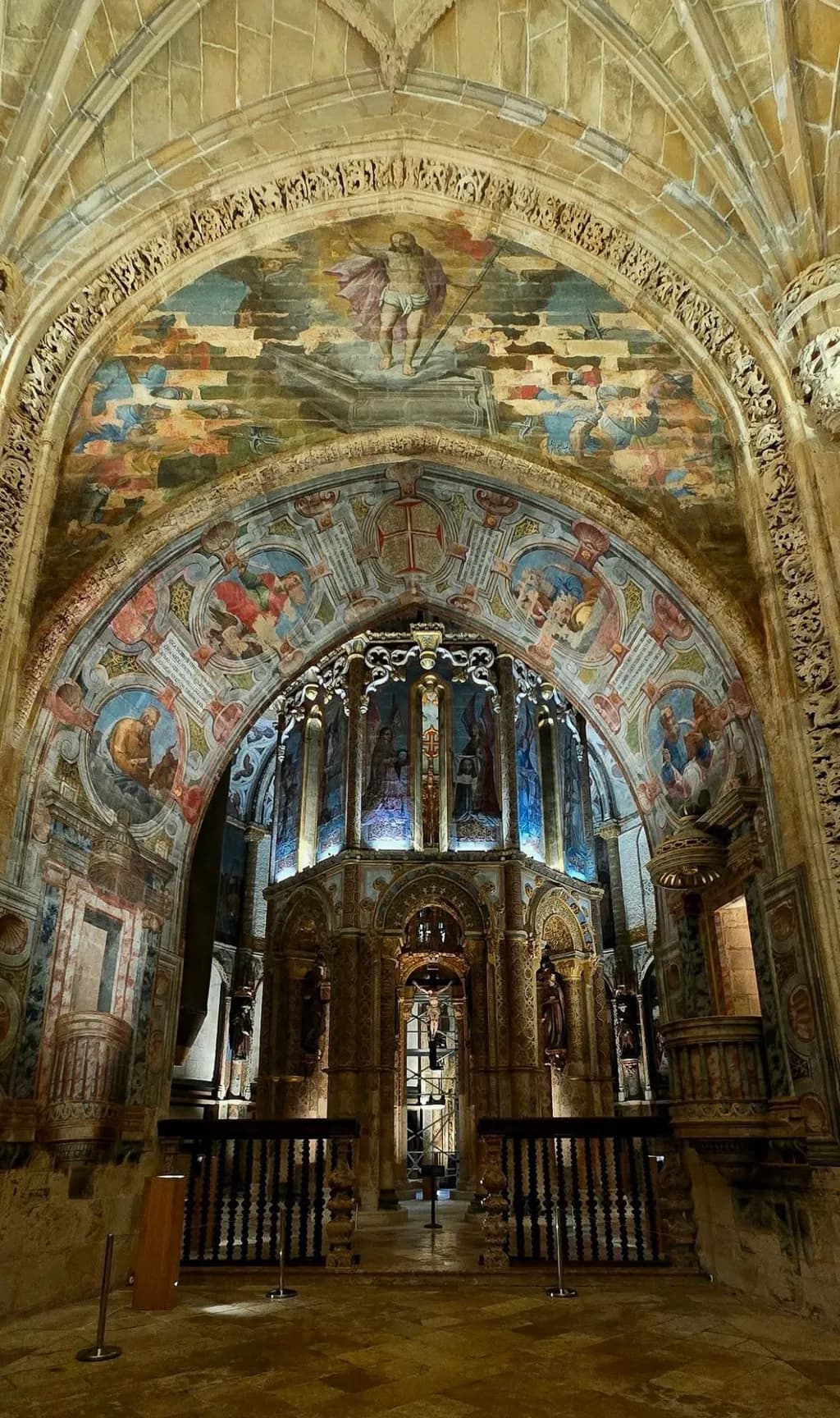
Imagem do post 1

Within the walls of the Convent of Christ in Tomar, Portugal, the magnificent 12th-century Templar Rotunda, known as the Charola, preserves centuries of history.

Originally built as a place of worship for the Knights Templar, it later became part of a remarkable chapter in Portugal’s history.

When the Templar Order was dissolved in 1312, King Dinis of Portugal played a decisive role in preserving much of its heritage. In 1319, with papal approval, the Order of Christ was established, inheriting many of the Templars’ Portuguese possessions.

The Templars had extensive experience in maritime transport, maintaining connections across the Mediterranean. Centuries later, the Order of Christ would become closely associated with Portugal’s maritime expansion, particularly under Prince Henry the Navigator.

Another fascinating connection lies in the forests of Leiria, whose development was encouraged by King Dinis. Their timber would later contribute to Portuguese shipbuilding.

From medieval knights and royal diplomacy to forests, ships and ocean voyages, these stories reveal how different chapters of history can become intertwined.

And here, in the extraordinary Charola of Tomar, one of those chapters began.
Publicado há 12h em Fotografia
9

Poetry in Every Corner of Sintra

Imagem do post 1

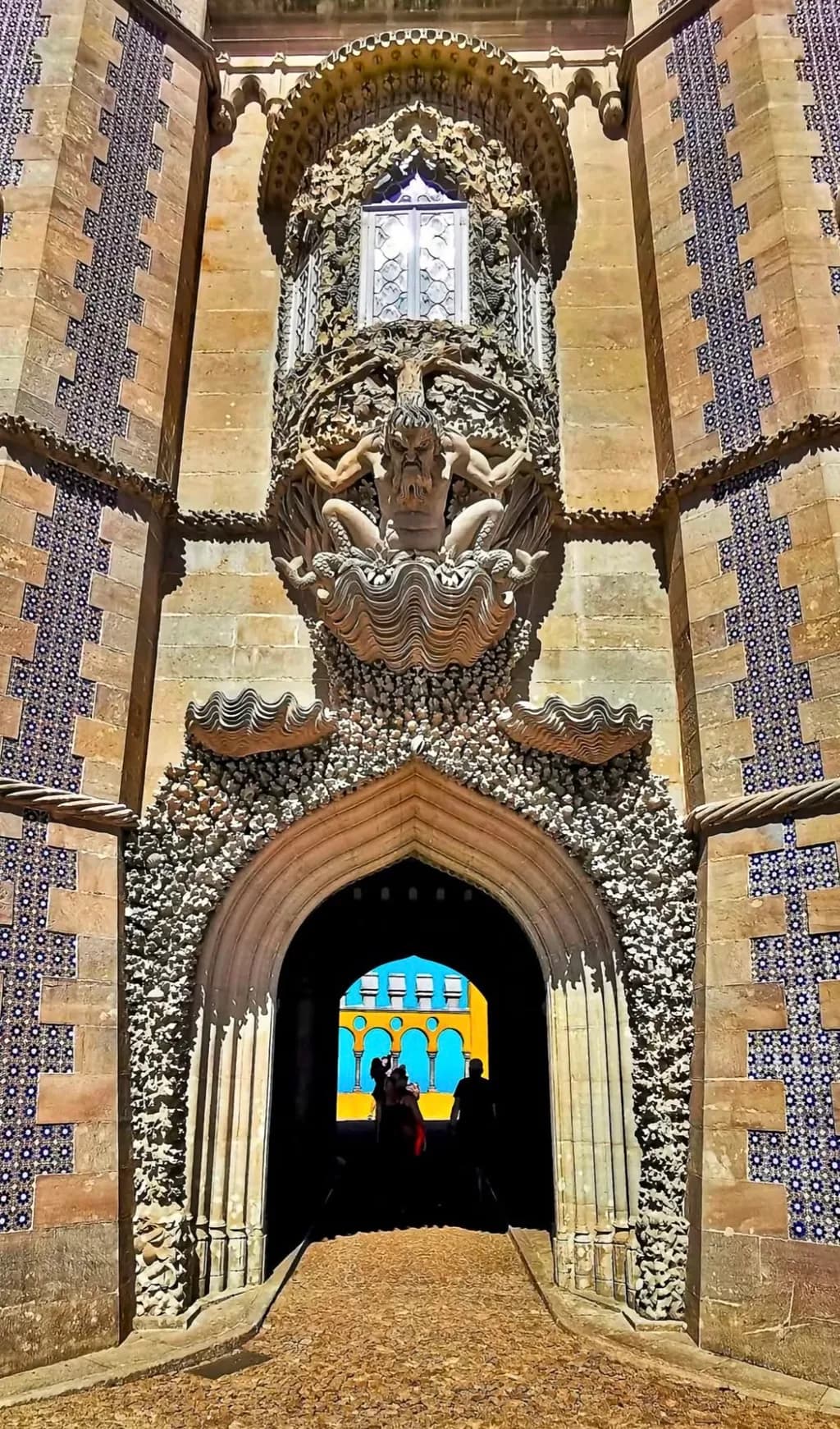
Eça de Queirós once evoked the poetry found in every corner of Sintra. And here is one such corner.

At the Pena Palace, the extraordinary Triton Gateway brings mythology, nature and Romantic imagination together in stone.

Beyond the archway, a glimpse of vivid colour invites us into another world — one where architecture and fantasy seem inseparable.

Publicado há 13h em Fotografia
7

A Battle, a King, and the Defence of Portugal’s Independence

Imagem do post 1

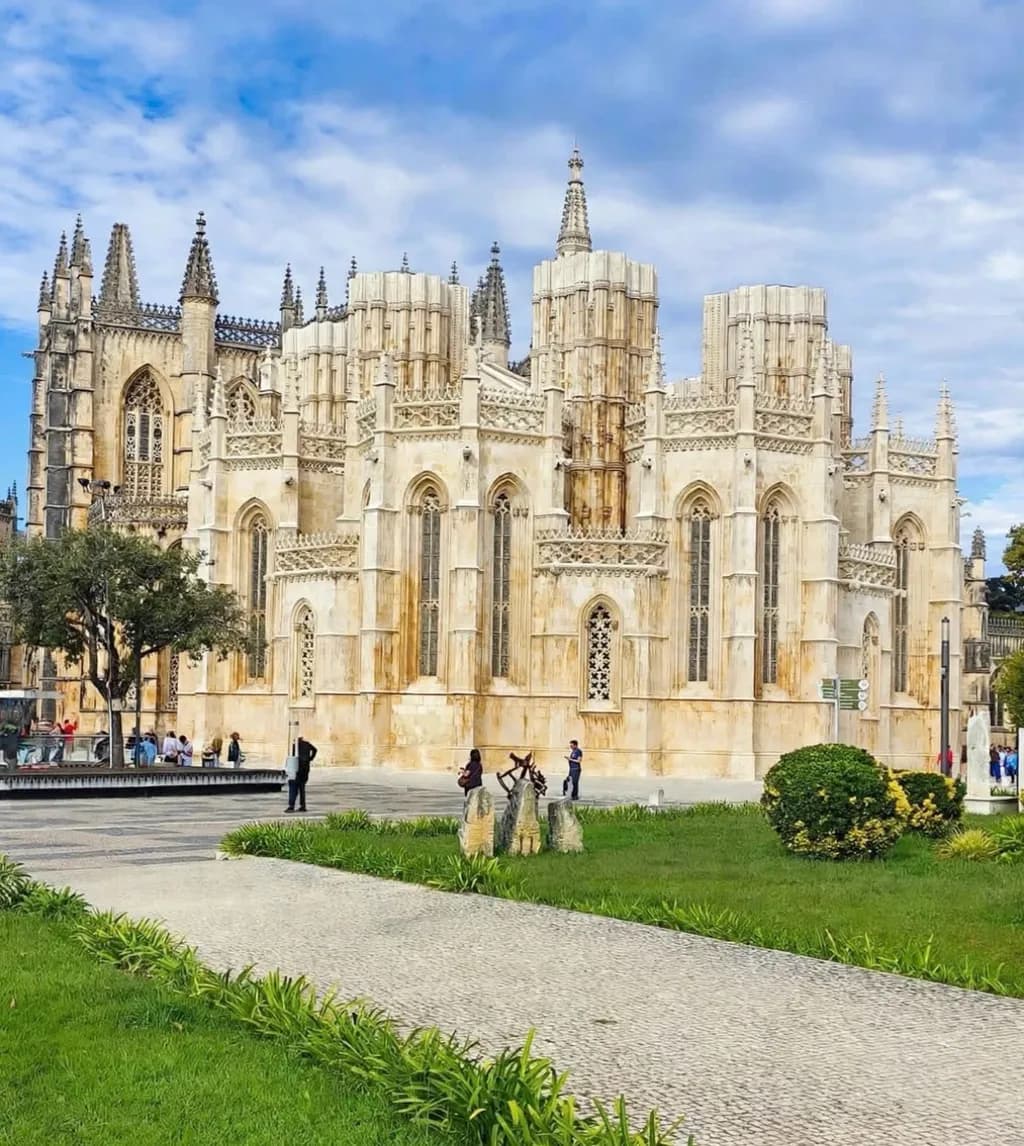
On 14 August 1385, the Portuguese army, led by King John I and Nuno Álvares Pereira, defeated the Castilian forces at the Battle of Aljubarrota.

This decisive victory strengthened Portugal’s independence and secured the position of the newly established Avis dynasty.

To commemorate the victory and fulfil a vow to the Virgin Mary, King John I ordered the construction of the Monastery of Santa Maria da Vitória, better known as the Monastery of Batalha.

More than a masterpiece of Gothic architecture, this monument stands as a lasting testimony to one of the defining moments in Portuguese history.

Publicado há 13h em Fotografia
7

Santa Cruz Monastery — Where Portugal's History Lives

Imagem do post 1
Imagem do post 2
1/2

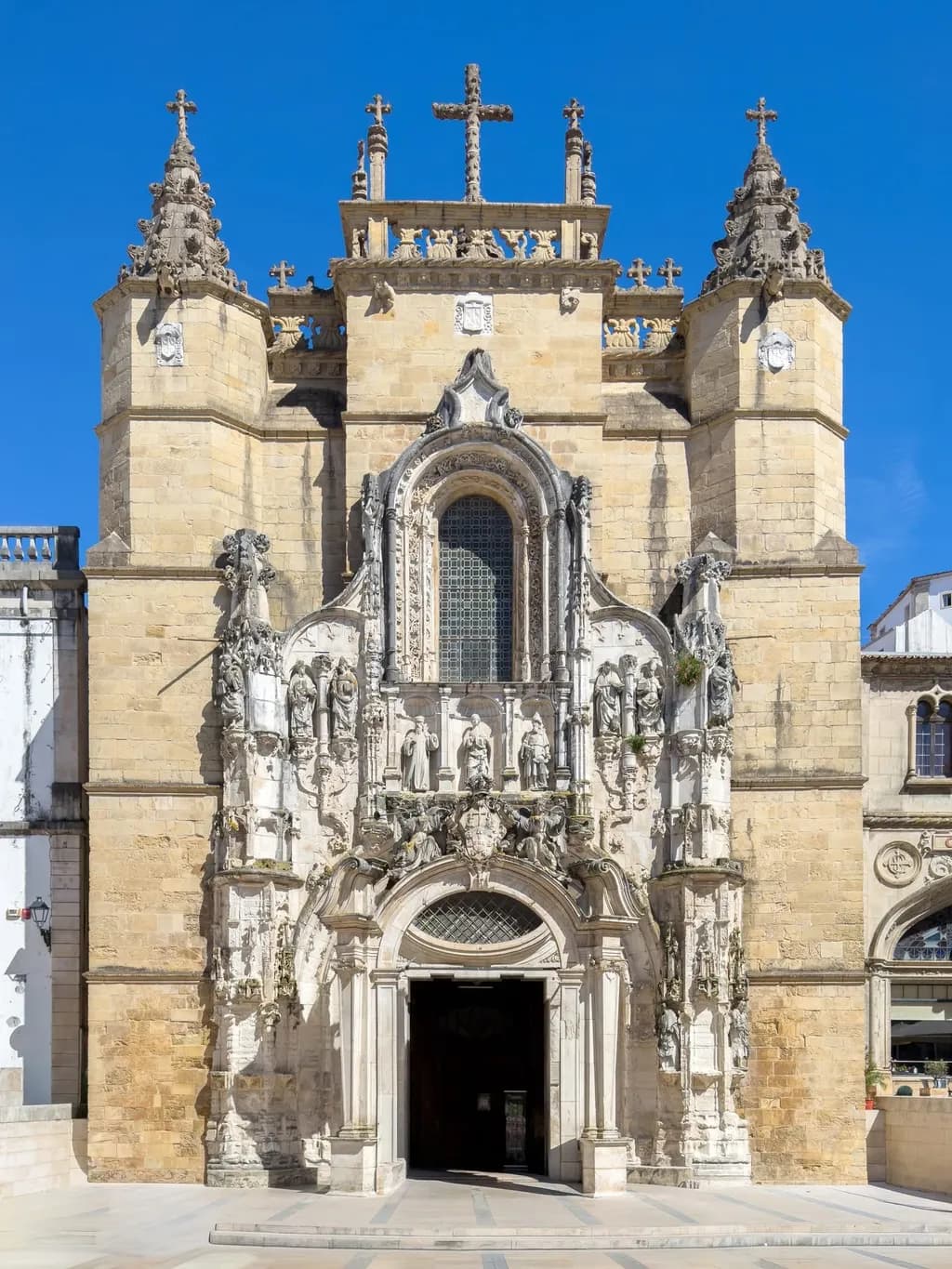
In the heart of Coimbra stands the Monastery of Santa Cruz, one of the most significant monuments in Portuguese history.

Founded in 1131, with the support of Afonso Henriques, Portugal’s first king, the monastery became an important centre of religious, intellectual and political life during the formation of the Portuguese kingdom.

Its magnificent façade reflects the artistic transformations commissioned by King Manuel I in the 16th century, combining intricate Manueline stonework with Renaissance sculpture.

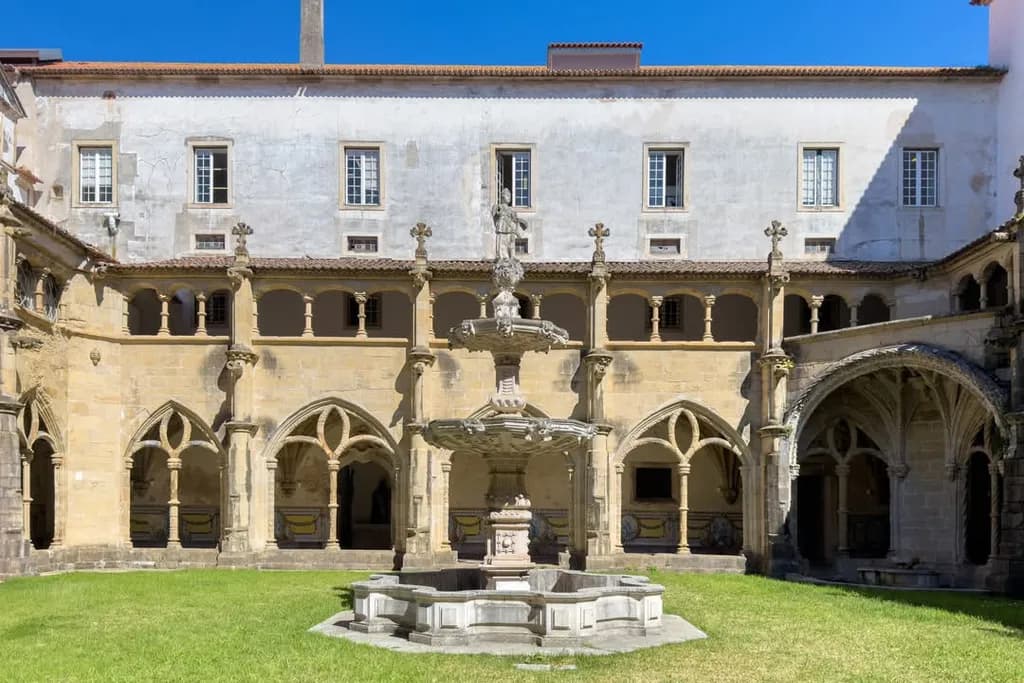
Inside, the peaceful Cloister of Silence offers a striking contrast to the monumental exterior. Its elegant arches, central fountain and carefully carved stonework preserve the atmosphere of centuries past.

The monastery is also the final resting place of Portugal’s first two kings, Afonso Henriques and Sancho I.

More than an architectural masterpiece, Santa Cruz is a place where art, history and national memory remain deeply intertwined.

Coimbra, Portugal.

Original photography — Anabela Gaspar

Publicado há 2d em Fotografia
6

Autumn Leaves on Portuguese Stone Ericeira, Portugal

Imagem do post 1

Autumn has quietly settled over this little square in the heart of Ericeira.

Fallen leaves rest on the traditional Portuguese cobblestones, beneath the branches of old plane trees. Wooden benches, vintage streetlamps and a decorative star in the pavement add character to this peaceful corner of the village.

Away from the sound of the waves, Ericeira reveals another side of its identity — one shaped by everyday life, familiar places and the gentle passage of the seasons.

Publicado há 3d em Fotografia
7

Between the Blue and the Atlantic Ericeira, Portugal

Imagem do post 1

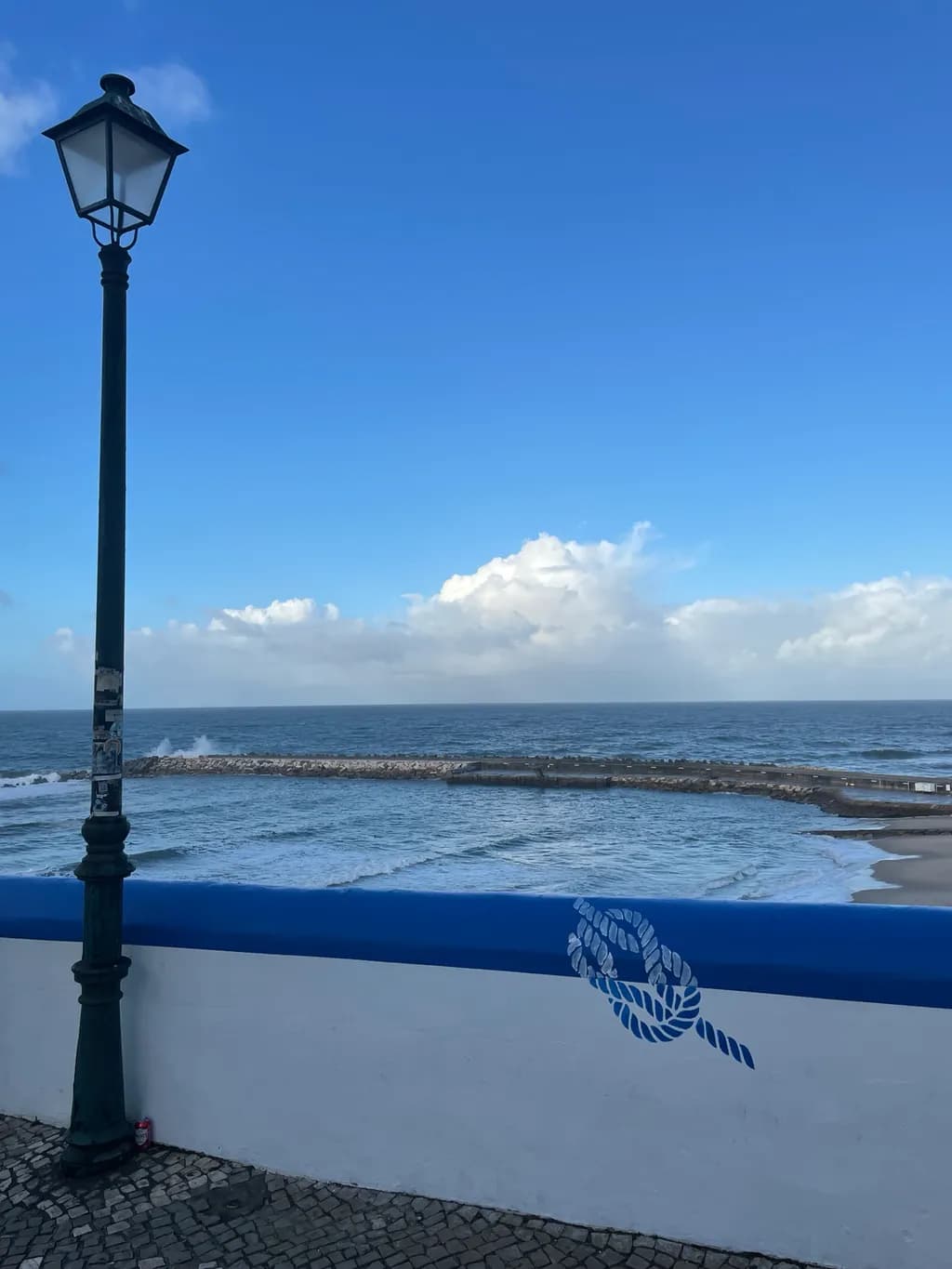
A traditional streetlamp stands quietly above Praia dos Pescadores, overlooking the Atlantic as waves roll towards the shore.

The deep blue sky, scattered white clouds and familiar blue-and-white walls bring together some of the colours and details that give Ericeira its unmistakable character.

A simple view where the village’s coastal heritage meets the ever-changing sea.

Publicado há 3d em Fotografia
8

Belém Tower — Through the Eyes of History Lisbon, Portugal

Imagem do post 1
Imagem do post 2
Imagem do post 3
1/3

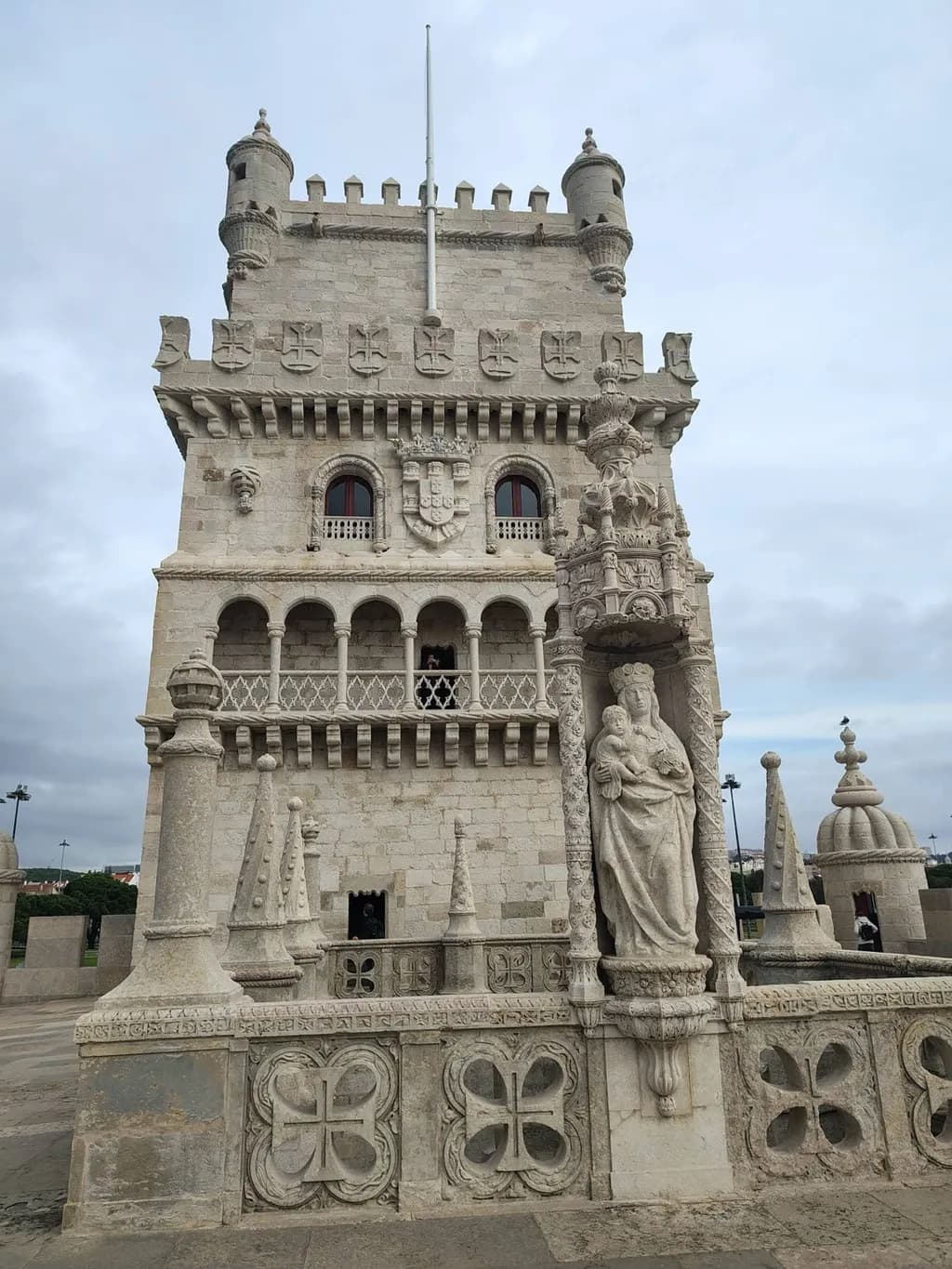
Standing on the banks of the River Tagus, Belém Tower is one of Portugal’s most remarkable symbols of its maritime heritage.

Built in the early 16th century during the reign of King Manuel I, the tower was designed to defend the entrance to Lisbon’s harbour. Today, it stands as a magnificent example of Manueline architecture, a uniquely Portuguese style inspired by the Age of Discoveries.

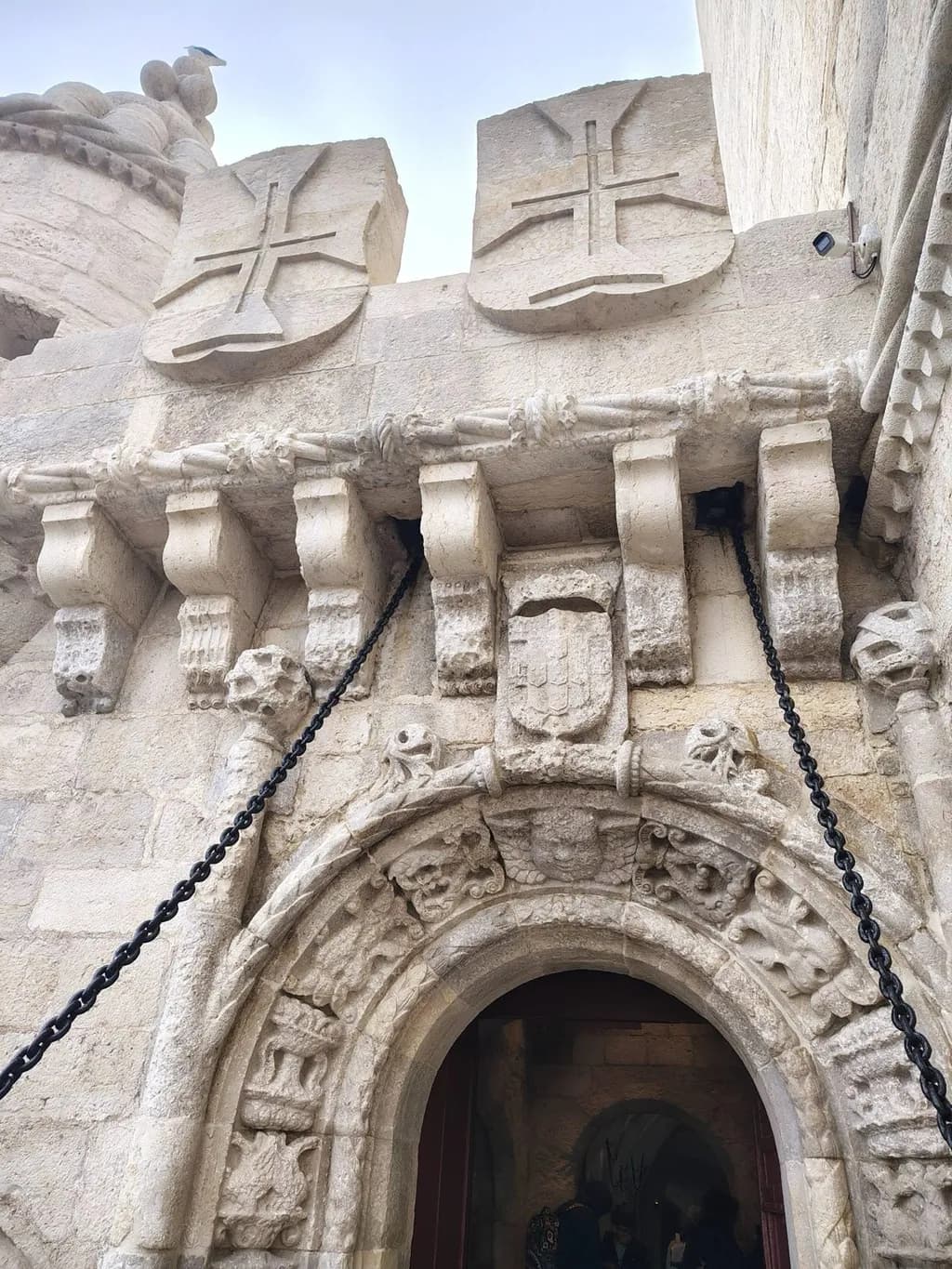
Its intricate stonework reveals fascinating details: the crosses of the Order of Christ, delicate balconies, royal coats of arms and the statue of Our Lady of Good Success, traditionally associated with the protection of sailors.

But perhaps the most captivating experience is looking out through its ancient stone openings towards the Tagus.

For a moment, it is easy to imagine the ships that once sailed these waters, setting out towards distant horizons.

Every stone preserves a fragment of history, and every window opens onto centuries of memories.

Photography: Anabela Gaspar

Publicado há 4d em Fotografia
5

Queluz Palace — A Glimpse of Royal Splendour Queluz, Portugal

Imagem do post 1
Imagem do post 2
1/2

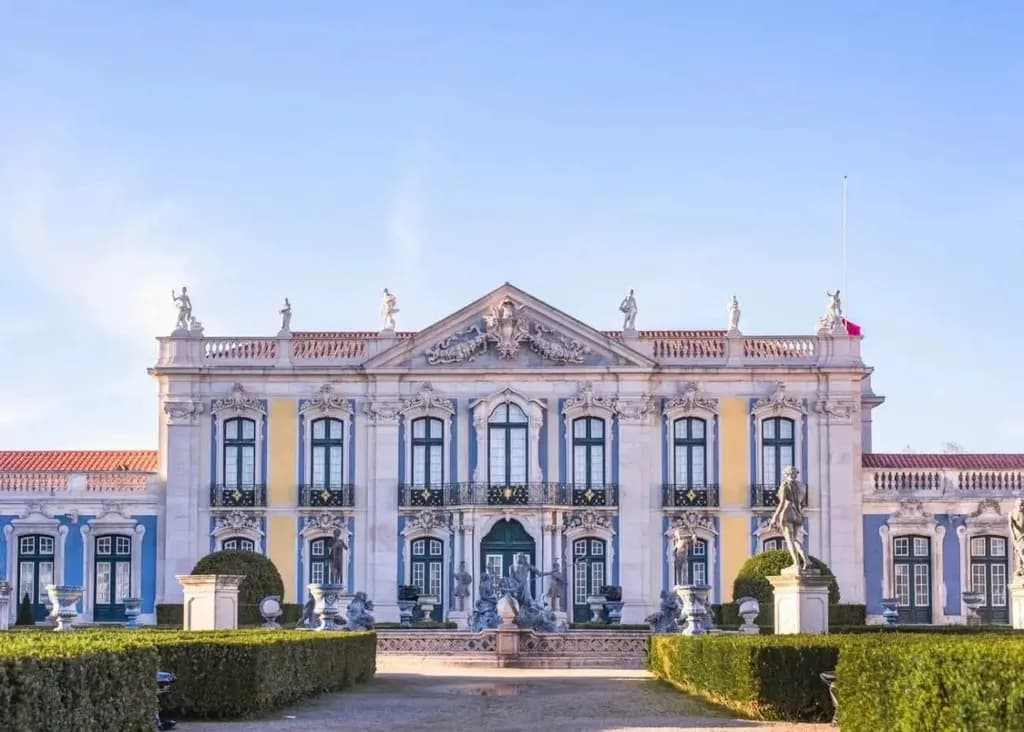
Often described as the Portuguese Versailles, the National Palace of Queluz is one of Portugal’s most remarkable examples of 18th-century royal architecture, combining Baroque, Rococo and Neoclassical influences.

Originally a country estate, the palace was transformed into a magnificent royal residence under the patronage of Prince Pedro, later King Pedro III, husband of Queen Maria I.

Its elegant façades, ornamental sculptures, fountains and carefully designed gardens reflect the refinement and artistic tastes of the Portuguese court.

Beyond its walls lies an equally fascinating world.

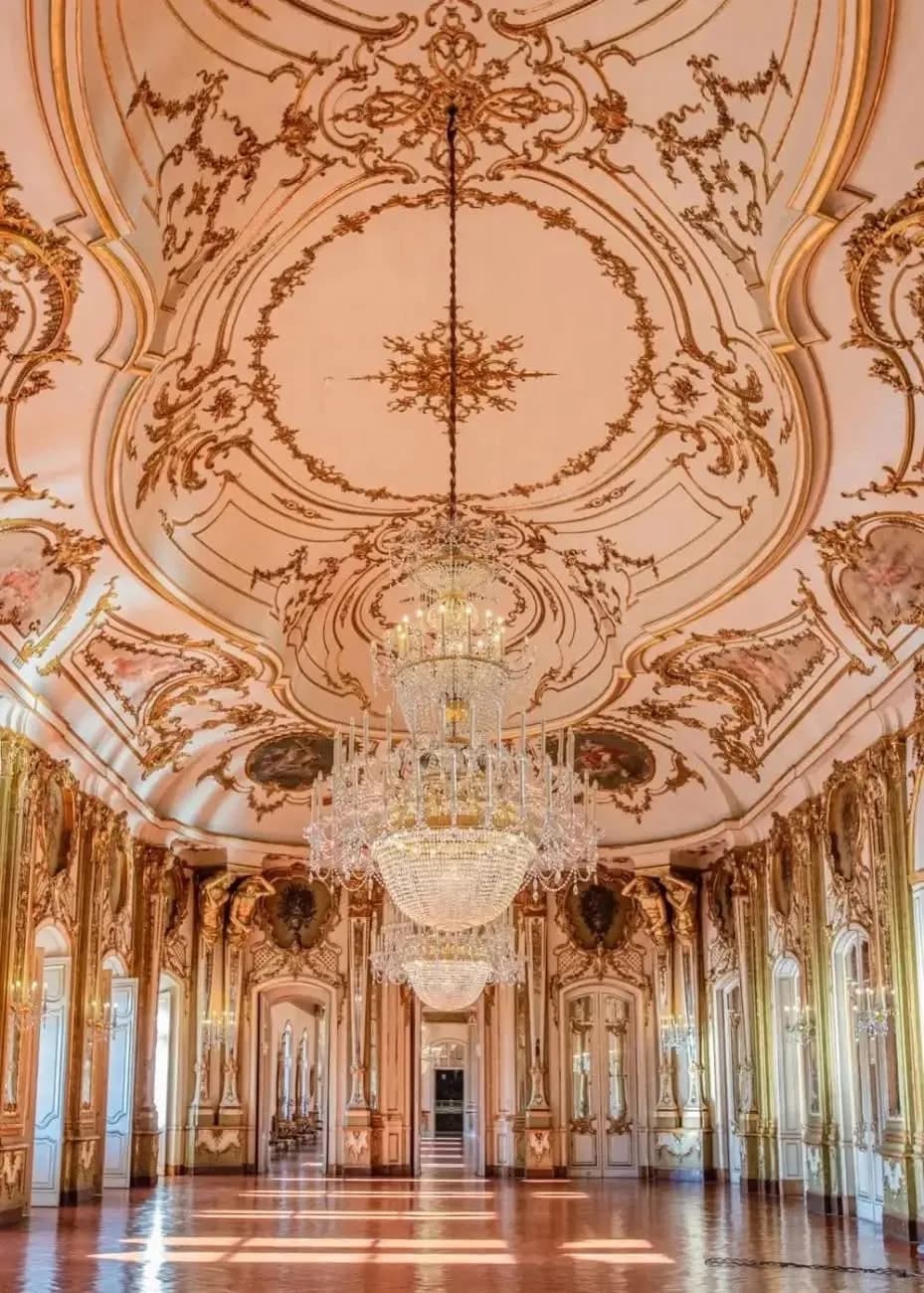
The palace’s richly decorated interiors reveal the splendour of royal life, with magnificent chandeliers, gilded ornamentation, elaborate ceilings and exquisite decorative details.

The second photograph offers just a glimpse of this extraordinary artistic heritage — a small invitation to discover the treasures hidden within.

Queluz also witnessed important chapters of Portuguese history. It was the birthplace of King Pedro IV of Portugal, who became Emperor Pedro I of Brazil, and the place where he died in 1834.

Today, the palace preserves the memory of a world shaped by royal ceremonies, artistic creativity and the changing fortunes of the Portuguese monarchy.

Two photographs, two perspectives: the elegance of the exterior and a glimpse of the splendour within.

There is still so much more to discover behind these palace doors.

Publicado há 4d em Fotografia
5

Seteais Palace — Where History Meets Legend

Imagem do post 1

Sintra, Portugal

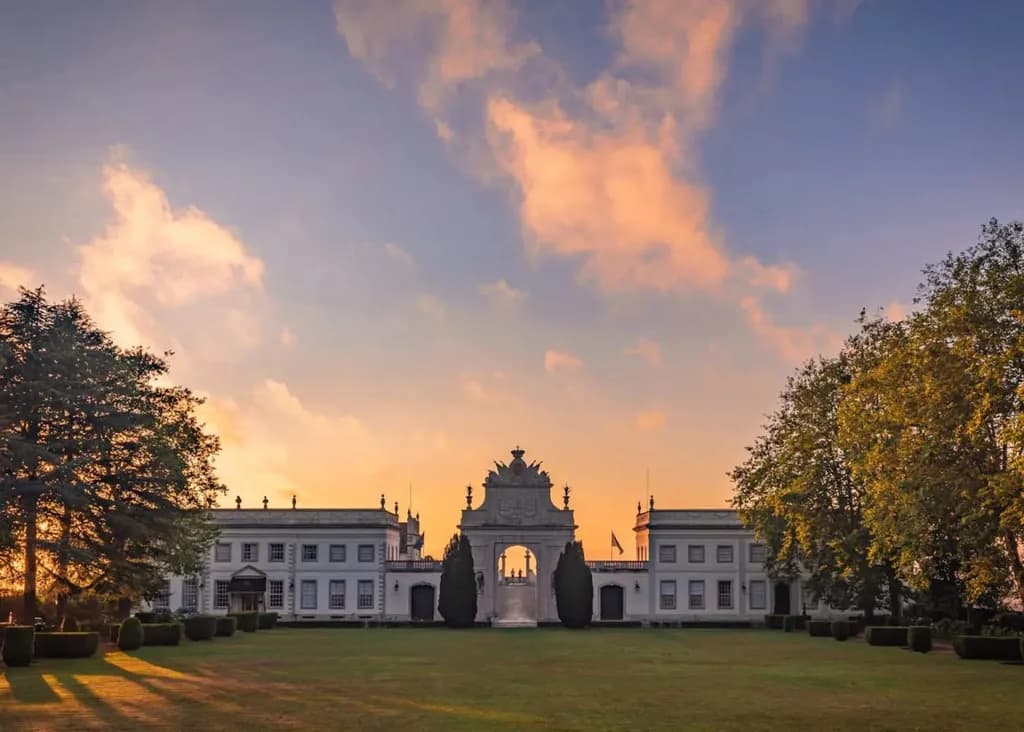
Bathed in the golden light of the setting sun, Seteais Palace stands beneath a sky painted in delicate shades of pink, orange and lavender. Its elegant neoclassical architecture, framed by centuries-old trees and long shadows stretching across the gardens, evokes the splendour of another era.

Built in the 18th century, the palace became a symbol of aristocratic elegance in Sintra. Its magnificent triumphal arch, erected in the early 19th century, commemorates the visit of Prince Regent João and Princess Carlota Joaquina in 1802.

Yet Seteais is more than an architectural treasure. Its very name is surrounded by mystery and popular legends.

According to one tradition, Seteais comes from the Portuguese expression sete ais, meaning “seven sighs” or “seven cries”. Over the generations, different stories of sorrow, longing and mysterious voices have been associated with the place. These tales belong to local folklore, and the true origin of the name remains uncertain.

As the last rays of sunlight illuminate the palace, history and legend seem to meet beneath the evening sky.

Some places preserve their past in stone. Others also preserve it in stories.

Seteais does both.

Publicado há 4d em Fotografia
7