Queluz Palace — A Glimpse of Royal Splendour Queluz, Portugal
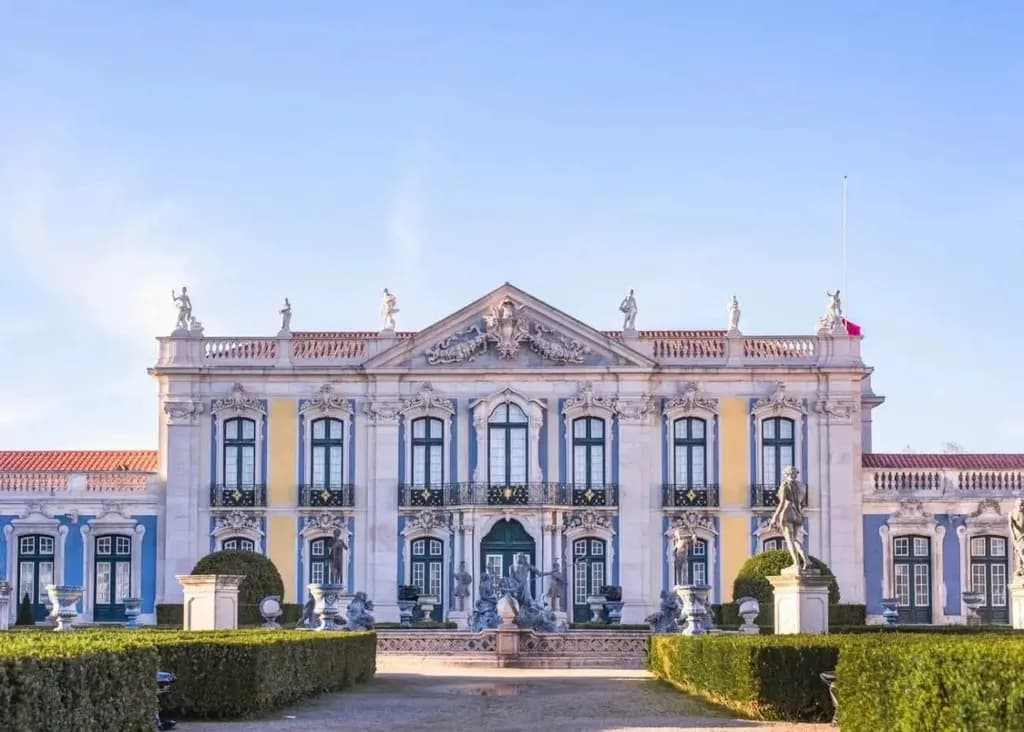
Often described as the Portuguese Versailles, the National Palace of Queluz is one of Portugal’s most remarkable examples of 18th-century royal architecture, combining Baroque, Rococo and Neoclassical influences.
Originally a country estate, the palace was transformed into a magnificent royal residence under the patronage of Prince Pedro, later King Pedro III, husband of Queen Maria I.
Its elegant façades, ornamental sculptures, fountains and carefully designed gardens reflect the refinement and artistic tastes of the Portuguese court.
Beyond its walls lies an equally fascinating world.
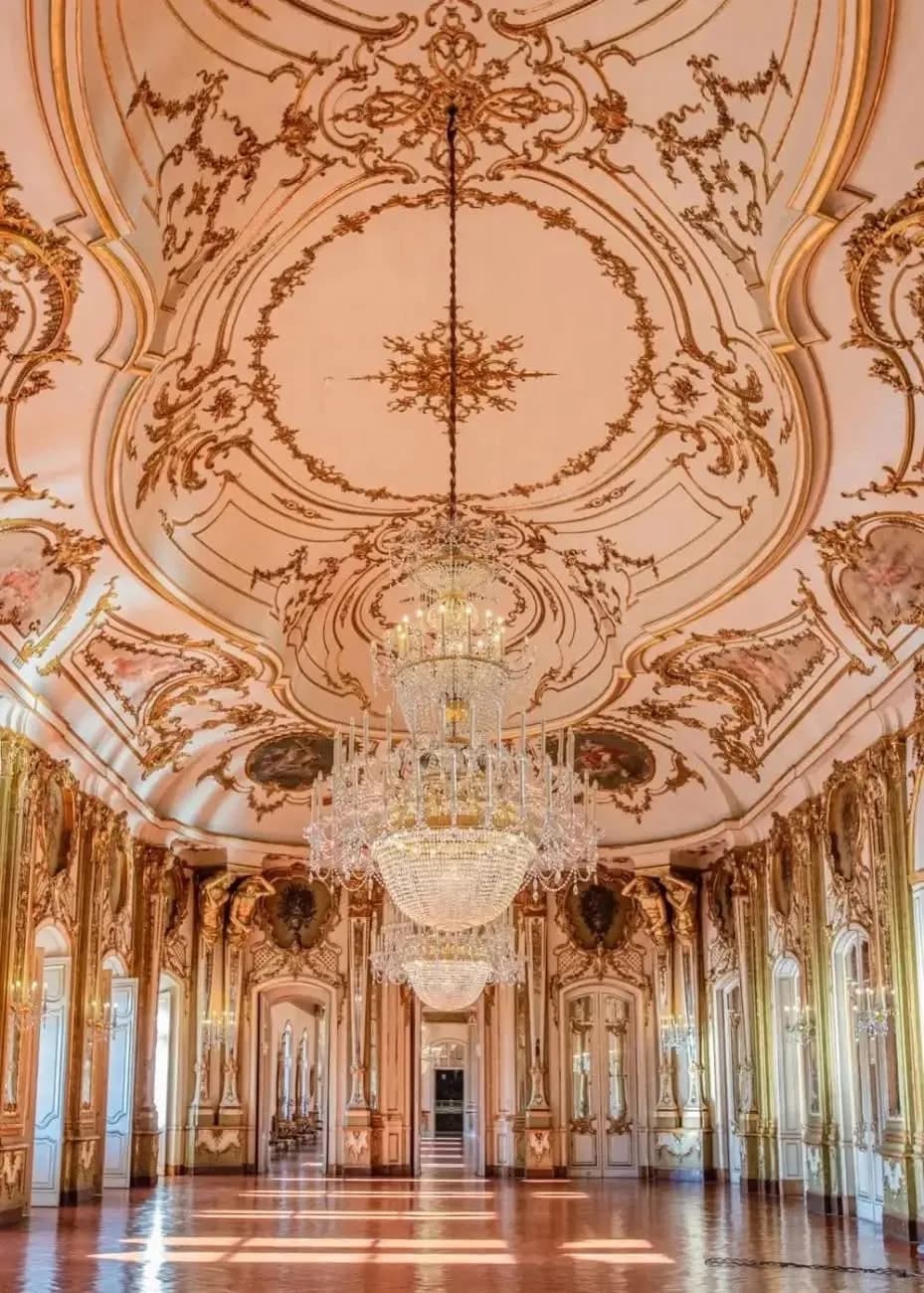
The palace’s richly decorated interiors reveal the splendour of royal life, with magnificent chandeliers, gilded ornamentation, elaborate ceilings and exquisite decorative details.
The second photograph offers just a glimpse of this extraordinary artistic heritage — a small invitation to discover the treasures hidden within.
Queluz also witnessed important chapters of Portuguese history. It was the birthplace of King Pedro IV of Portugal, who became Emperor Pedro I of Brazil, and the place where he died in 1834.
Today, the palace preserves the memory of a world shaped by royal ceremonies, artistic creativity and the changing fortunes of the Portuguese monarchy.
Two photographs, two perspectives: the elegance of the exterior and a glimpse of the splendour within.
There is still so much more to discover behind these palace doors.
Exactly! The intention was to evoke the splendour of Versailles, which is why Queluz Palace is often called the “Portuguese Versailles”. What fascinates me is how a former country residence gradually became such an extraordinary royal palace. And yes, the contrast between the exterior and the richly decorated interiors is remarkable. Each room reveals another chapter of its history. Thank you for such a thoughtful comment!
Essa sobreposição de história em cada sala é o que me pega também. Eu me pergunto se é por isso que lugares como este te prendem, mesmo quando você sabe que agora são museus, porque a evidência de todos aqueles momentos diferentes ainda está fisicamente lá.