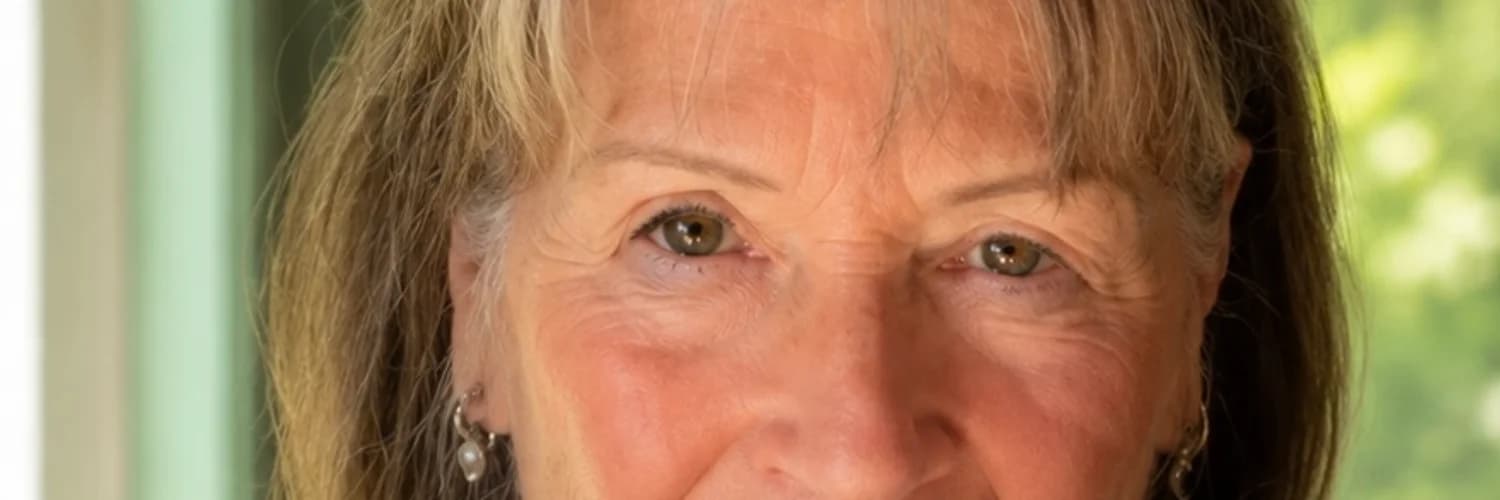
MONA LEBLOND
Artiste visuel
MONA LEBLOND est un artiste de Acrylic Painting basé à Ontario. Connu pour Landscape, Impressionism.
Je crée des peintures intuitives qui mêlent humeur, mémoire et lumière. Mon travail invite au calme et à la curiosité à travers des couches de pigment et des marques spontanées, capturant des moments d'intimité dans la nature sans ressemblance littérale. Chaque œuvre offre une pause et un souffle de couleur.
Traduit depuis English
Ontario, Canada
Inscrit le septembre 2025


My work begins with a feeling rather than a fixed image. I am drawn to landscapes, trees, water, sky, and the shifting atmosphere that connects them. These subjects give me a place to explore emotion through color, texture, and light. I am less interested in literal description than in capturing the mood of a moment — the sense of stillness, movement, memory, or quiet energy that a scene can hold.

Birch trees are an especially meaningful subject in my work. Their pale trunks, vertical rhythm, and graceful markings offer both structure and openness. They allow me to build compositions that feel grounded in nature while also moving toward abstraction and expression. Through birch forms, I can explore contrast: light against dark, clarity against softness, and strength against delicacy. They have become a visual language for me.

Color is central to how I work. I use it not only to describe what I see, but to communicate what I feel. A painting may begin with a natural reference, but as it develops, the color choices help shape its emotional direction. I often build layers in acrylic to create depth, luminosity, and surface variation. These layers allow me to balance control and spontaneity, structure and atmosphere.

I want my paintings to offer a pause. I hope they invite viewers to slow down and enter a quieter space of looking. Whether the work is more abstract or more representational, I want it to carry a sense of breath, reflection, and connection to the natural world. For me, painting is a way of holding onto fleeting moments and translating them into something lasting.

Creative Process

My process is intuitive, layered, and responsive. I usually begin with an impression, a memory, or a subject that has stayed with me — often a group of birch trees, a sky at dusk, a reflection on water, or the feeling of light moving across a landscape. Sometimes the first spark comes from a place I have seen directly, and sometimes it comes from a visual memory that has been transformed over time. I do not try to reproduce the scene exactly. Instead, I use it as a starting point for a painting that can carry its own emotional meaning.

I work primarily in acrylic, which gives me the flexibility to build up layers, adjust color relationships, and respond quickly to changes in the composition. Acrylic allows me to work both deliberately and intuitively. I can establish structure early, then gradually soften, intensify, or interrupt it as the painting develops. That ability to move between control and spontaneity is important to my process. It helps the work remain alive.

At the beginning of a painting, I focus on composition. I look for the underlying shape of the work: where the verticals will fall, how the eye will travel through the surface, where tension or rest might be needed. In birch paintings, for example, the placement of trunks is essential. The trunks create rhythm, movement, and pause. They shape the way the viewer enters the painting. In landscapes, I think carefully about horizon lines, balance, and the relationship between open space and dense areas.

Once the structure is in place, I begin layering color. This is one of the most important parts of my process. I often build color gradually so that the surface has depth and variation. Some layers remain visible beneath newer marks, which creates a sense of history inside the painting. I enjoy this because it allows the work to feel lived-in rather than simply applied. The surface becomes a record of decisions, revisions, and discovery.

Texture is also important to me. I like the way acrylic can hold brush marks, translucent passages, and areas of density. I use these qualities to create contrast and to guide the viewer’s eye. In some areas I want softness and atmosphere; in others I want more definition or energy. The texture helps the painting breathe. It also keeps the work from becoming too static or overly polished.

I pay close attention to light. In my paintings, light is not just a visual effect — it is often the emotional center of the piece. It can suggest warmth, quiet, memory, hope, or distance. When I paint skies, water, or the pale bark of birch trees, I think about how light falls across form and how it changes the mood of the entire work. Sometimes the light feels luminous and clear. Other times it feels muted, reflective, or almost hidden. I try to let the light in the painting carry feeling as much as observation.

My process is also shaped by patience. I often return to a painting multiple times, adjusting relationships until the surface feels balanced. I may soften one area, strengthen another, or deepen a color that was not yet carrying enough weight. I do not rush to finish. I want the painting to tell me when it is complete. That final stage is often about knowing when enough has been said and when further changes would begin to weaken the clarity of the work.
Version originale