Community

Techniques & Teaching: Art Educators Hub

Techniques & Teaching: Art Educators Hub is a space for art teachers, studio instructors, and homeschool parents to share what actually works. Swap lessons, techniques, and behavior hacks, brag on student work, and stay inspired in your own creative practice. Come for fresh ideas, real talk about burnout, and a community that understands how powerful art class can be.

Posts

Long time Art Teacher New to the group!
Post image 1

Hi! I am Linnie! I've been teaching art for 38 years, many of those years as a regular ed teacher and 11 years as strictly a full-time art teacher and head/trainer of the artists-in-residence who did not have any educational background (music, drama, ceramics, etc.) I taught most of those years in Santa Barbara, CA, and the last 8 in St. George, UT.

I also founded and taught the "Young Masters Studio Artists of Santa Barbara" and "HeART Haven Studios" in Utah, both after school groups of studio artists aged 7-14, many of the students staying with me for 7 years. Some of them are now practicing artists, much further along in the "business of art" than I am now since I just retired a few months ago. I joined the group because I LOVE teaching art to kids and have created an enormous amount of lessons through the years.

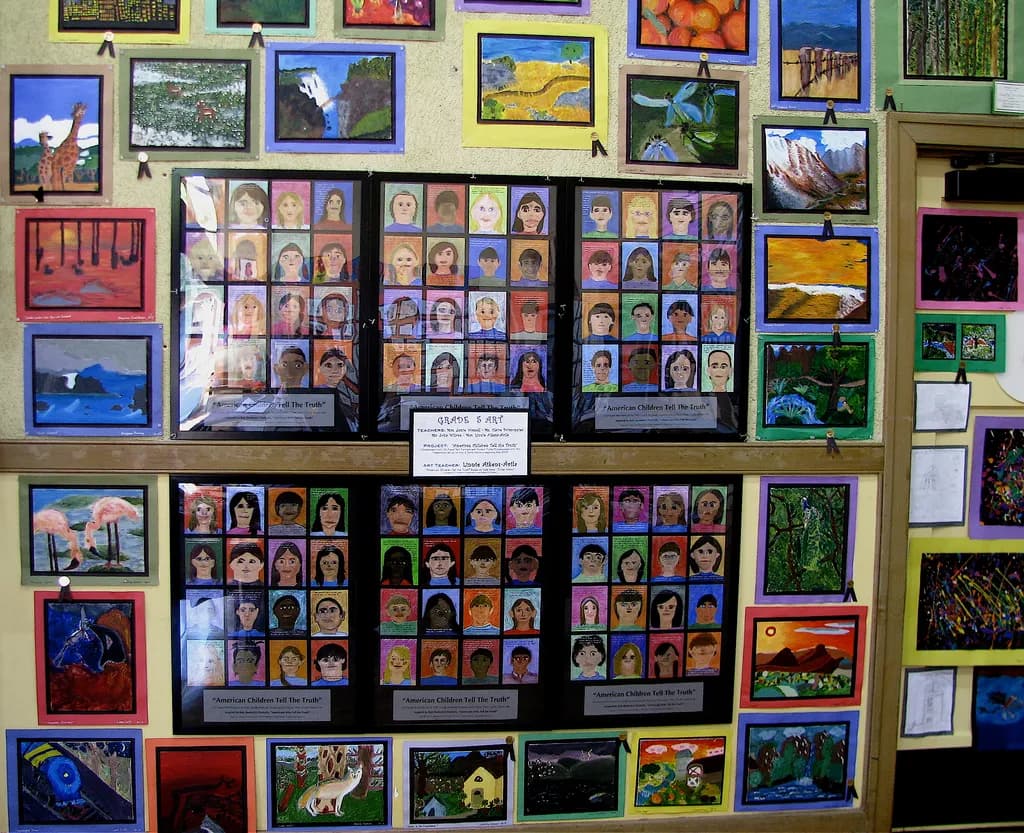
One project the kids loved I'd done in 5th grade based on Rob Shetterly's portrait work, "Americans Tell the Truth". I taught them how to use oil pastels like paint and how to create proportional self-portraits. Then they told their "truths" that they felt were really important to share with the world. I taught them how to use photoshop and we placed the words on a photo of their portrait and displayed it as a very large art piece in the Santa Barbara Library, who ended up making it a part of their permanent collection. It was a phenomenal experience!

The artwork around this display are acrylic paintings done by my afterschool "Young Masters". (Student choice, obviously- I just helped guide them toward their intentions as help was requested.)
0

Hello

Post image 1

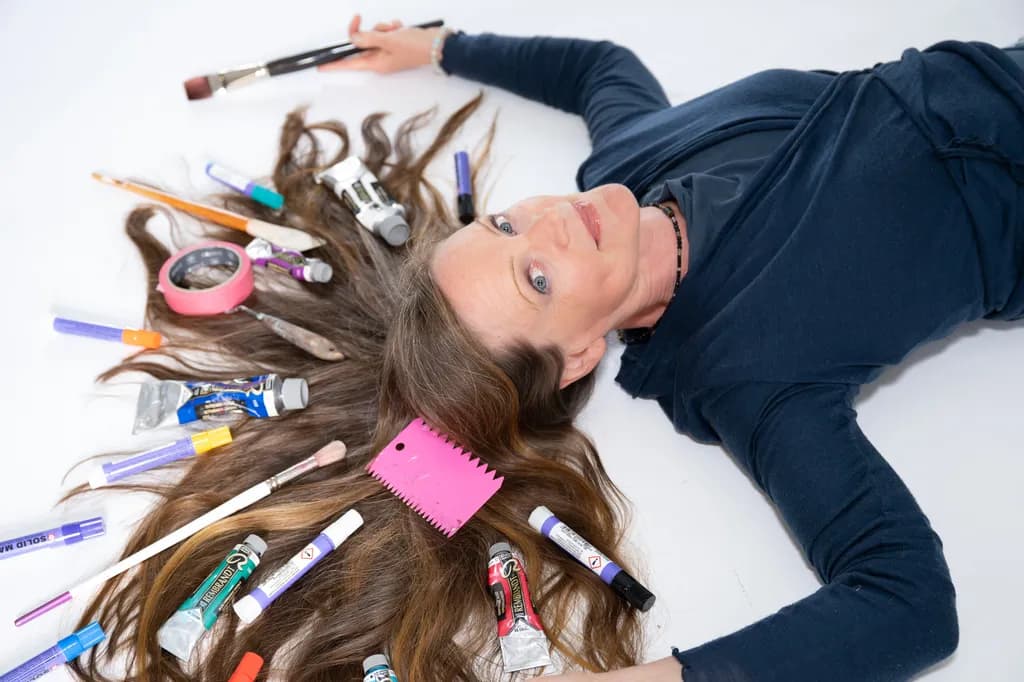
Hi, I am Silke, a professional digital retoucher in my main profession, a painter in my second (and hopefully sometime first)- and now an art teacher in my third profession. It is becoming a bit messy now 😅And I am looking forward to sharing some thoughts here.

4

Don’t Just Study It. Change It

Post image 1
Post image 2
Post image 3
Post image 4
1/4

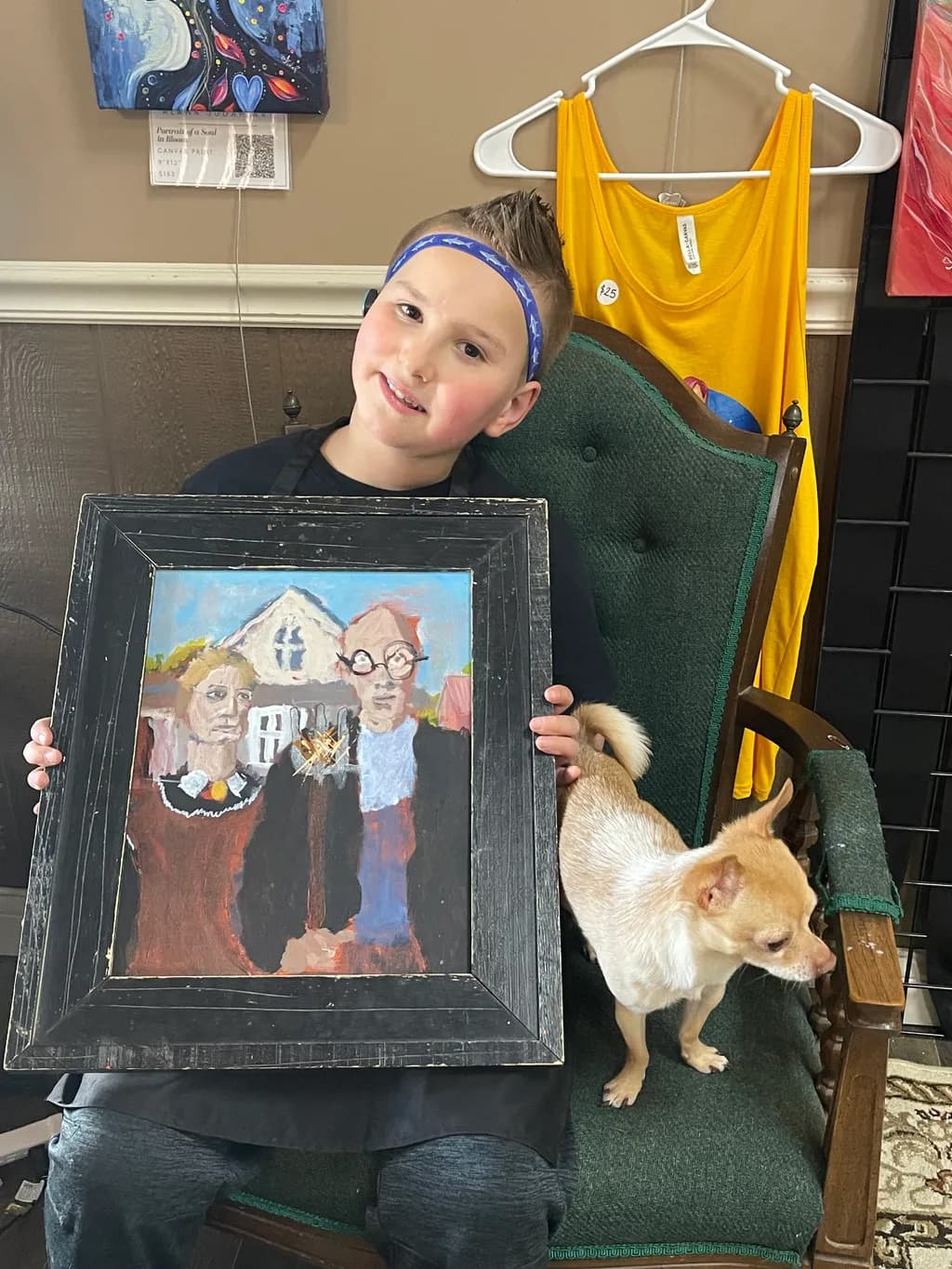
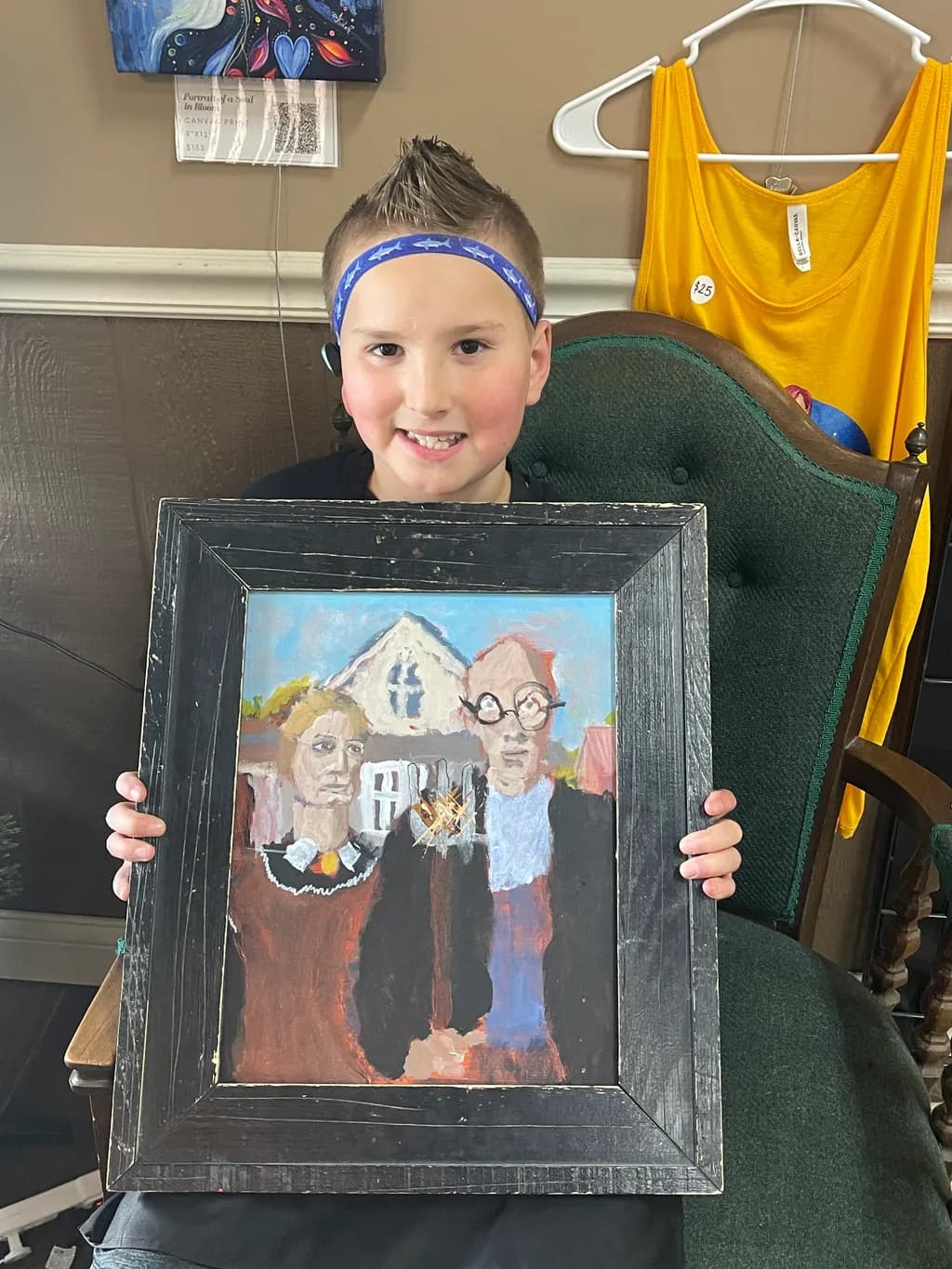
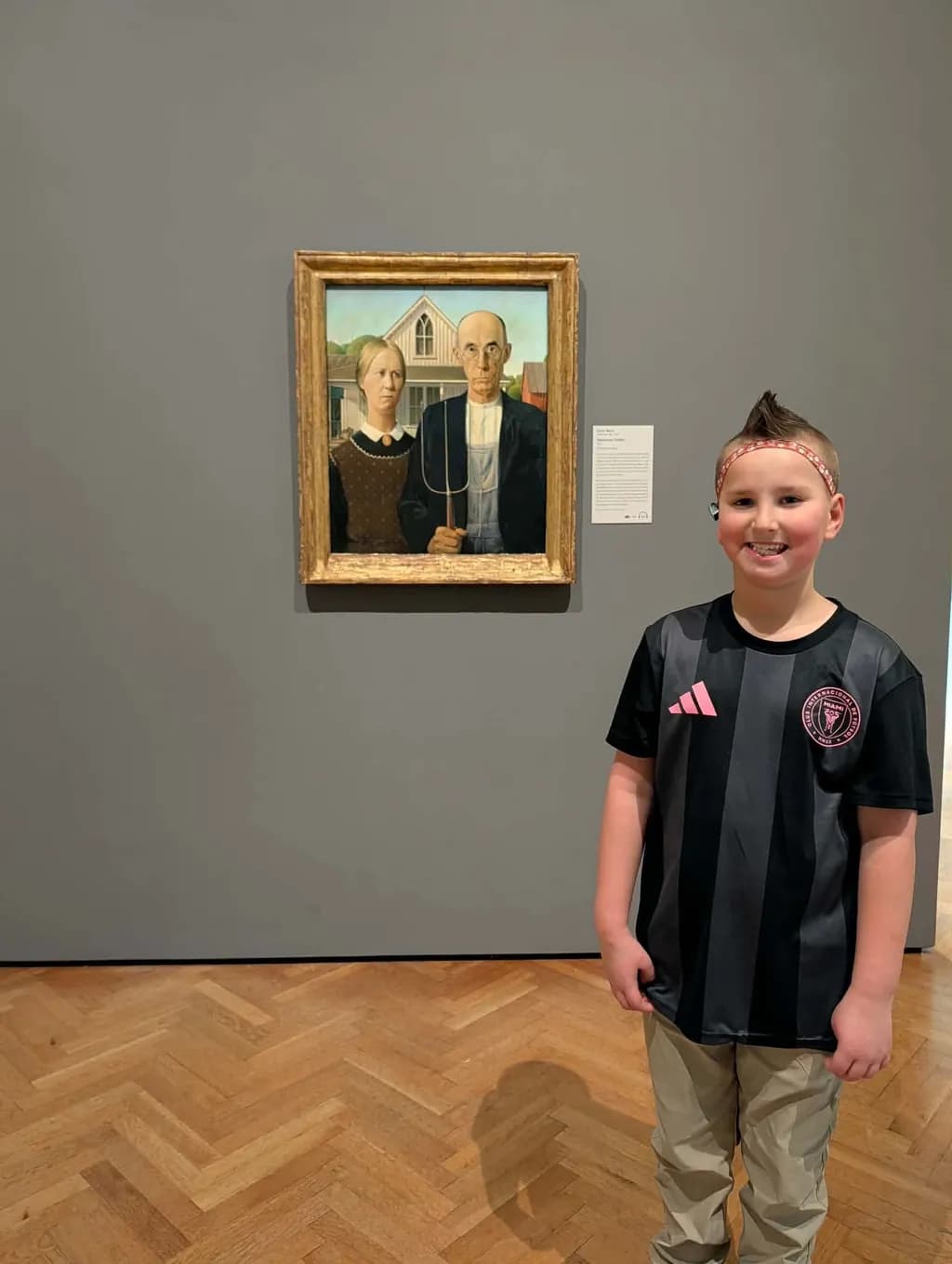
Ben is one of my students that has been taking private painting lessons from me for a few years now.

He got to stand in front of the original American Gothic in Chicago…

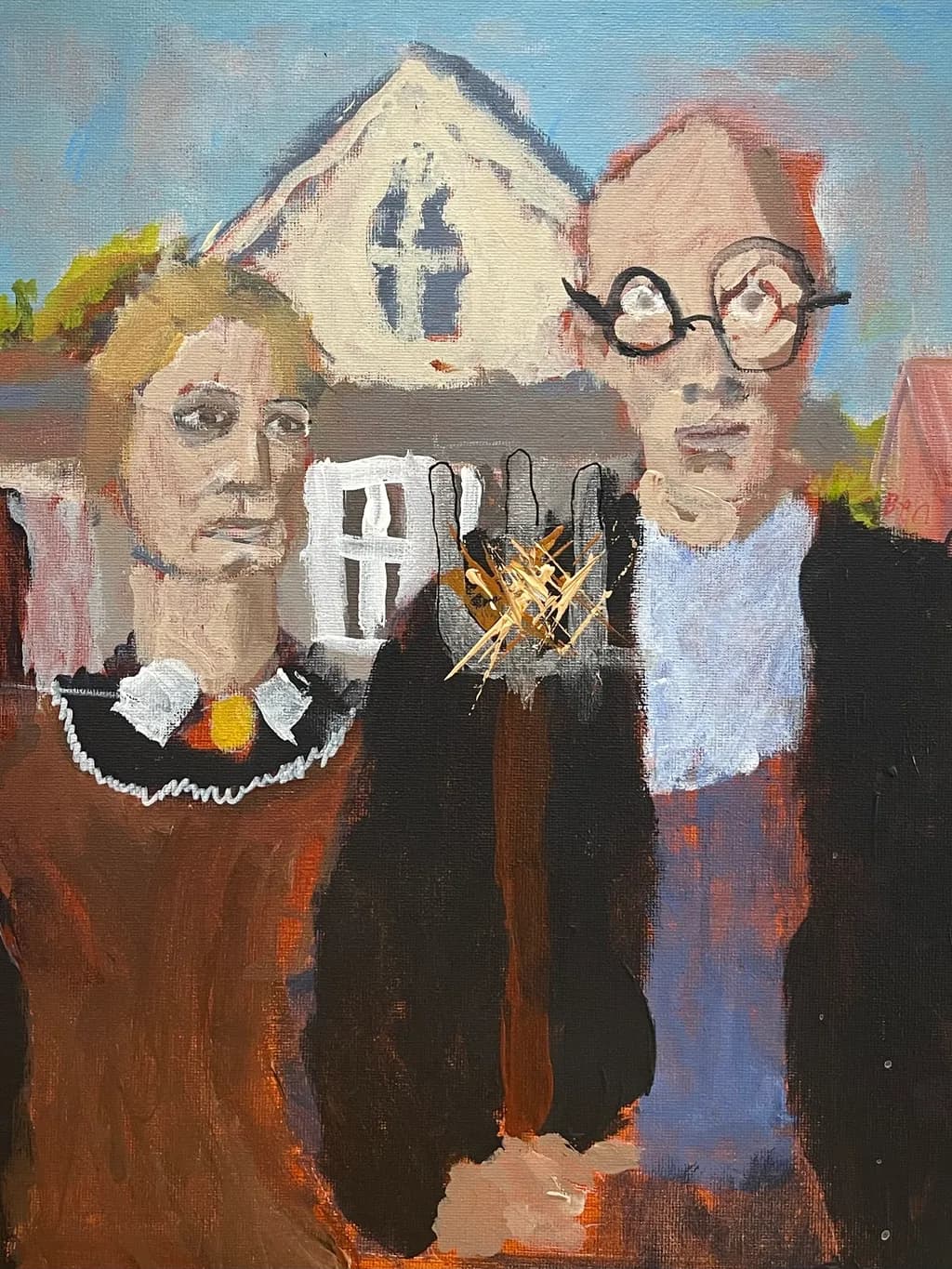
…and then came back to the studio and made his own version.

But here’s my favorite part… he didn’t just copy it. He thought about it. He made a choice. He added hay to the pitchfork.

That right there is the difference between following instructions and becoming an artist.

Study the masters.

Then make it yours.

That’s where the magic actually happens.

Now- can you find where he hid his name?

7

10 Tips to Transform Your Art in 2026: A Focused Skill-Building Roadmap

If you're serious about growing as an artist in 2026, this video delivers a focused, practical roadmap for building real skills — not just collecting tutorials, but actually making the kind of progress that transforms your work over time.

Why Most Artists Stop Improving

The video opens with a question many artists recognize: why do you plateau after a certain point? The answer is that most artists practice broadly rather than deeply. They jump from tutorial to tutorial, medium to medium, without spending enough focused time on any single skill to actually internalize it. The solution is a focused, one-skill-at-a-time approach that builds genuine competence rather than surface familiarity.

Daily Practice That Actually Sticks

One of the most valuable sections covers how to build a daily practice that you'll actually maintain. Short, focused sessions — even 20 to 30 minutes — done consistently over weeks and months produce far better results than marathon sessions that happen sporadically. The key is making practice a non-negotiable part of your routine, not something you do when inspiration strikes.

Studying the Masters With Intention

Copying master works is one of the oldest and most effective methods of artistic education — but only if you do it with intention. The video explains how to analyze what makes a master painting work: the value structure, the color relationships, the compositional decisions. When you copy with understanding rather than just mechanical reproduction, you absorb the underlying principles you can then apply to your own original work.

Finding Your Artistic Voice

The final section addresses one of the most common anxieties among developing artists: the fear that they don't have a distinctive voice. The video's answer is reassuring — your voice emerges naturally from consistent practice and honest self-expression. The artists with the strongest voices are simply the ones who kept going long enough to find them.

Invest in Your Growth

Every hour you spend deliberately improving your craft is an investment that compounds over time. Pick one skill, practice it deeply, and watch what happens to your work over the next 90 days.

0

When plans go awry 😝

Let’s talk about the real stuff for a minute…

What’s something that didn’t go as planned in your art room recently?

A lesson that flopped

A project that got chaotic

A moment where you thought, “well… this is not how I pictured this going” 😅

I’ll go first:

There have been plenty of times I’ve planned what I thought was a solid lesson… and within 10 minutes it turned into problem-solving mode, redirecting energy, and rethinking everything on the fly.

But sometimes those moments end up being the most meaningful ones.

So let’s normalize it:

Not every lesson has to be Pinterest-perfect

Not every class runs smoothly

And honestly… sometimes the “messy” days are where the real learning happens

Drop yours below 👇

What flopped… and what (if anything) came out of it?

0

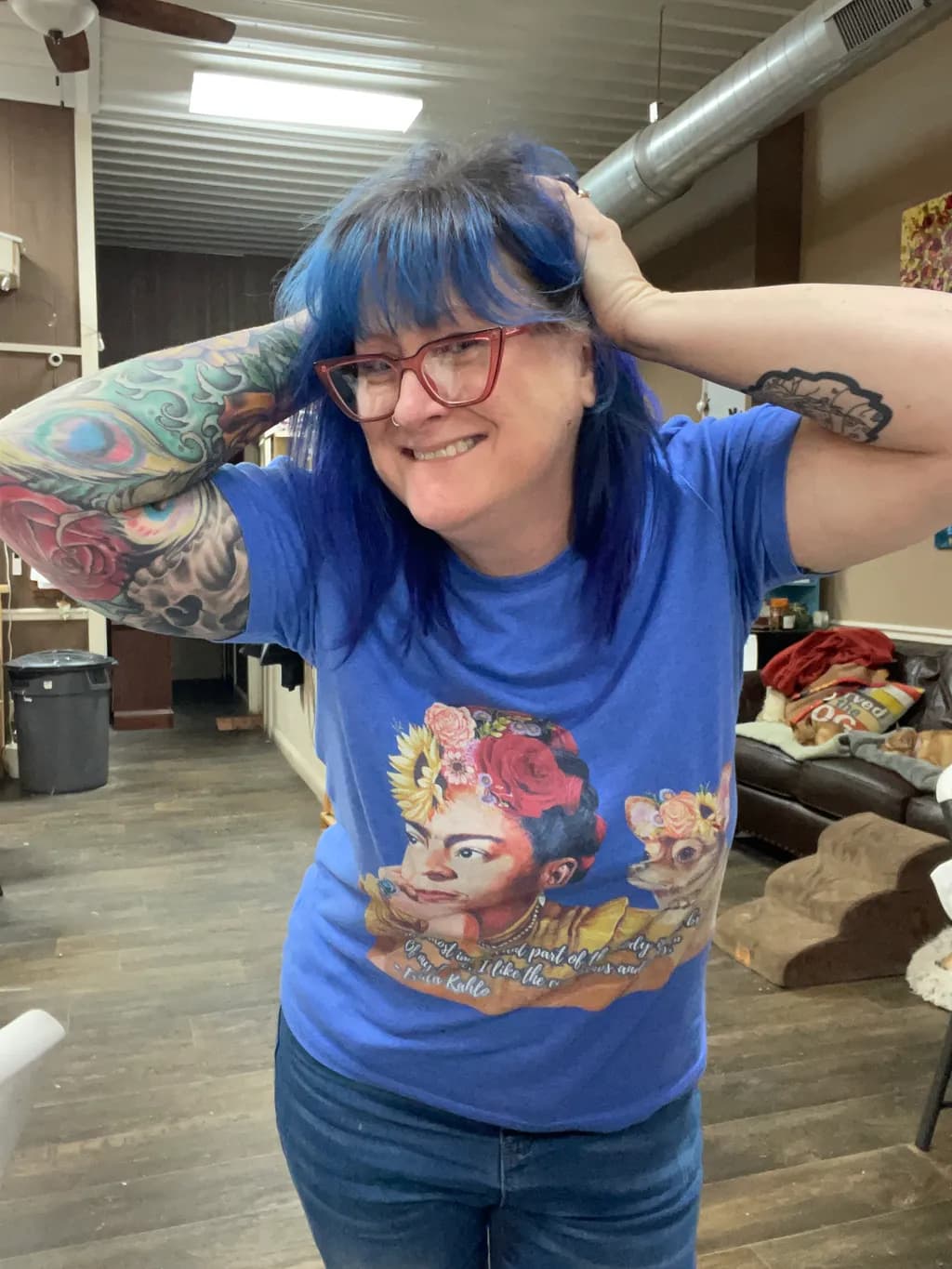
Hi, I’m Alana

Post image 1

Hey art teachers 👋

I figured I’d go first.

I’m Alana, the artist and studio owner behind Alana Judah Art in a small town in southern Indiana. I teach private lessons and painting parties, and I spend a lot of my time helping people reconnect with creativity after they’ve convinced themselves they “can’t draw.”

I didn’t paint for almost 20 years while I worked in engineering.
Coming back to art didn’t just change my career. It changed my mental health, my identity, and honestly… how I see people.

That’s a big reason this group exists.

Where I teach:
Private studio lessons, group classes, and events with kids and adults

Studio assistants:
A very committed (and slightly chaotic) team including Chewy 🐕, Dani California 🐕, Frida 🐕 and Smudge 🦔. Each have their own “job”. Morale is high. Boundaries are questionable.

A project my students LOVE:
Anything where they get creative control
One of my favorites is letting them design their own subject and combining it with techniques like layering, texture, or unexpected color choices. They always surprise themselves.

What I wish people understood:
Art class isn’t extra.
It’s where a lot of kids and adults figure out who they are, how to express things they don’t have words for, and where they finally feel successful at something.

Also… we’re not just “playing with paint.” We’re managing chaos, building confidence, and quietly doing emotional triage while teaching skills.

I’m really glad you’re here.

Tell me about you 👇

2

Welcome!

Post image 1

Hey art teachers 👋

Welcome to Techniques & Teaching: Art Educators Hub.

I started this space because I know how it feels to be juggling lesson plans, paint water, behavior issues, and somehow still trying to protect your own creativity and mental health at the same time.

Art teachers carry so much:

  • We’re teaching skills

  • Holding space for big emotions

  • Advocating for our programs

  • And cheering on kids (and adults) who don’t always believe they’re “real artists” yet

This group is here to be:

  • A place to share techniques and lesson ideas that actually work

  • A place to brag on your students and celebrate their wins

  • A place to be honest about what’s hard, without judgment

To get us started, comment and introduce yourself:

  1. Where/what do you teach? (Grade level, studio, homeschool, etc.)

  2. What’s one project your students LOVE?

  3. What’s one thing you wish people understood about being an art teacher?

I’m so glad you’re here. Let’s make this a hub of encouragement, practical help, and a whole lot of student bragging. 💛


2
Techniques & Teaching: Art Educators Hub | ArtHelper Communities