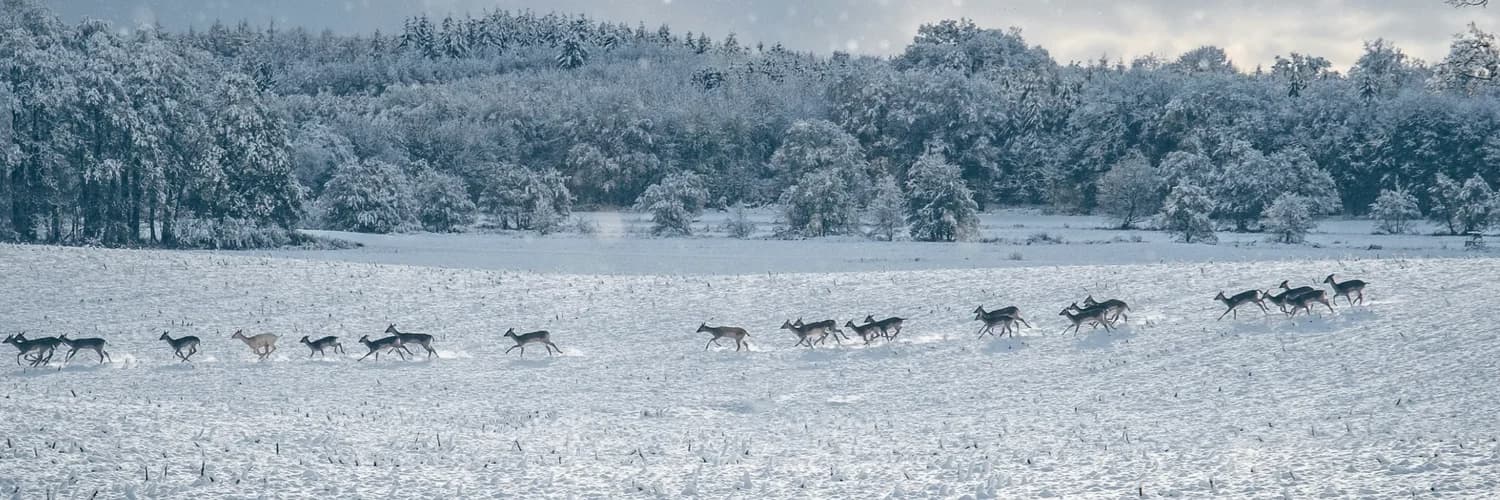
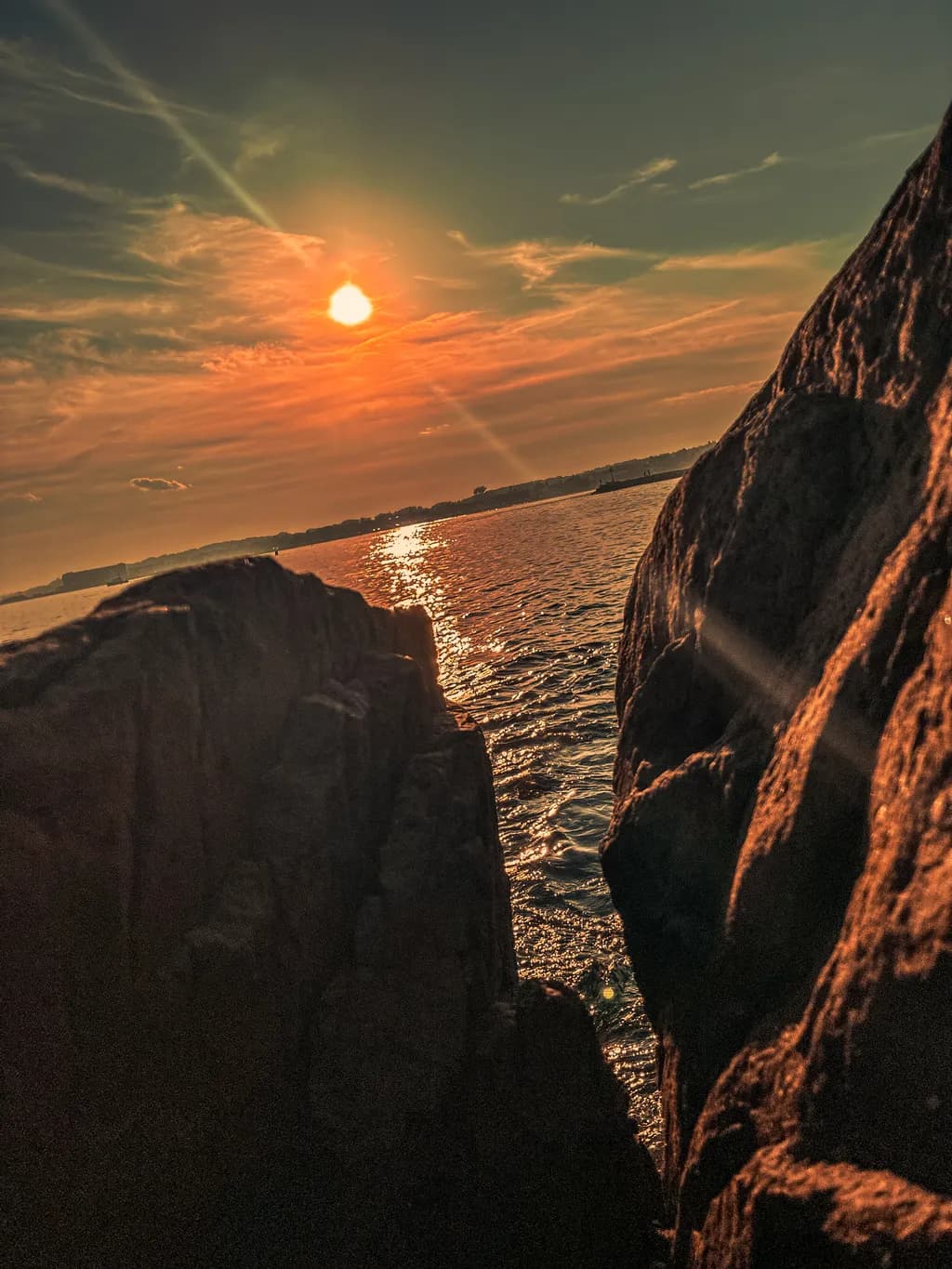
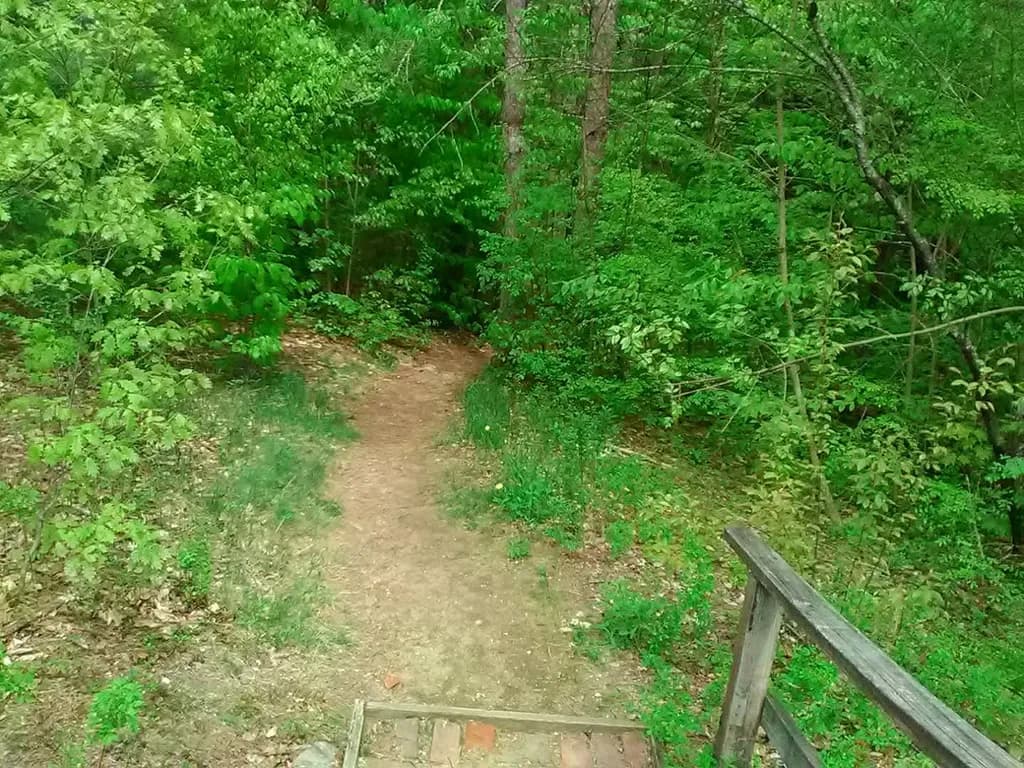
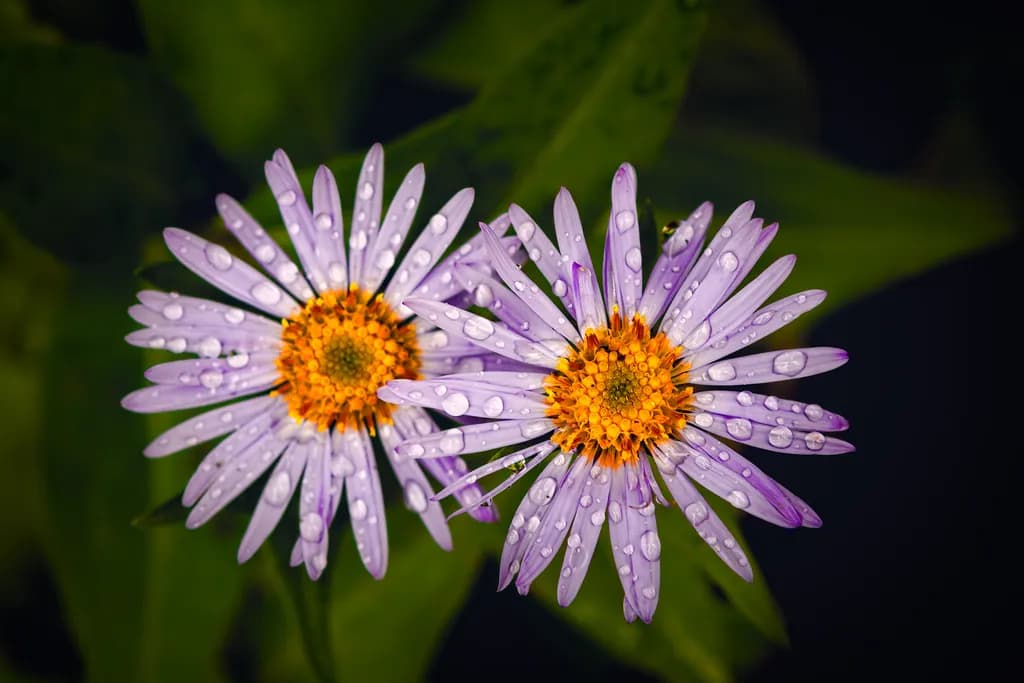
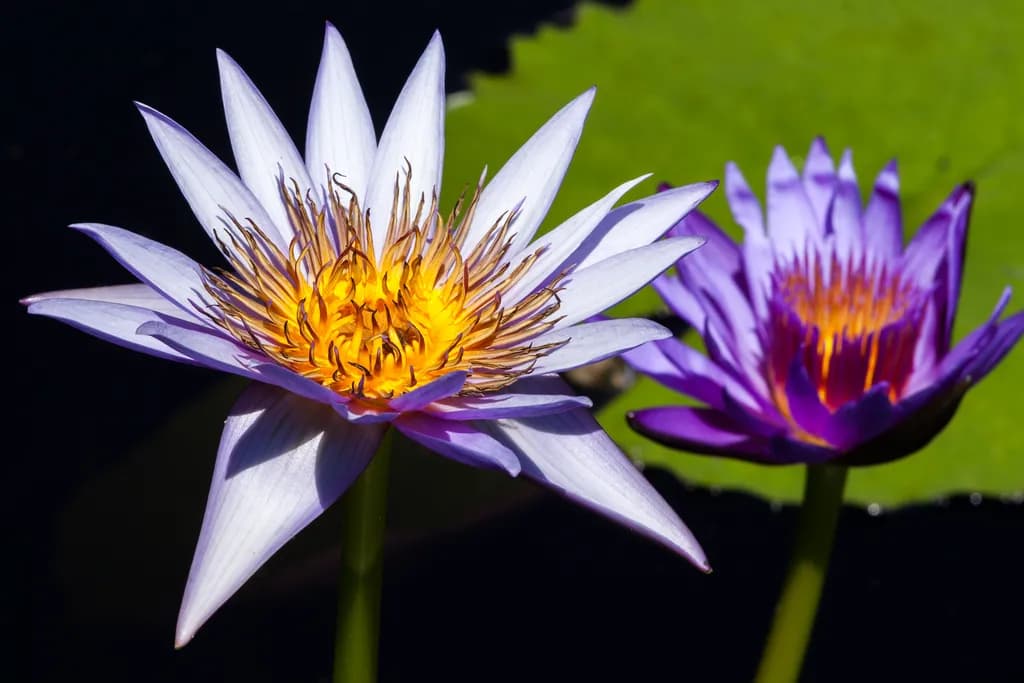
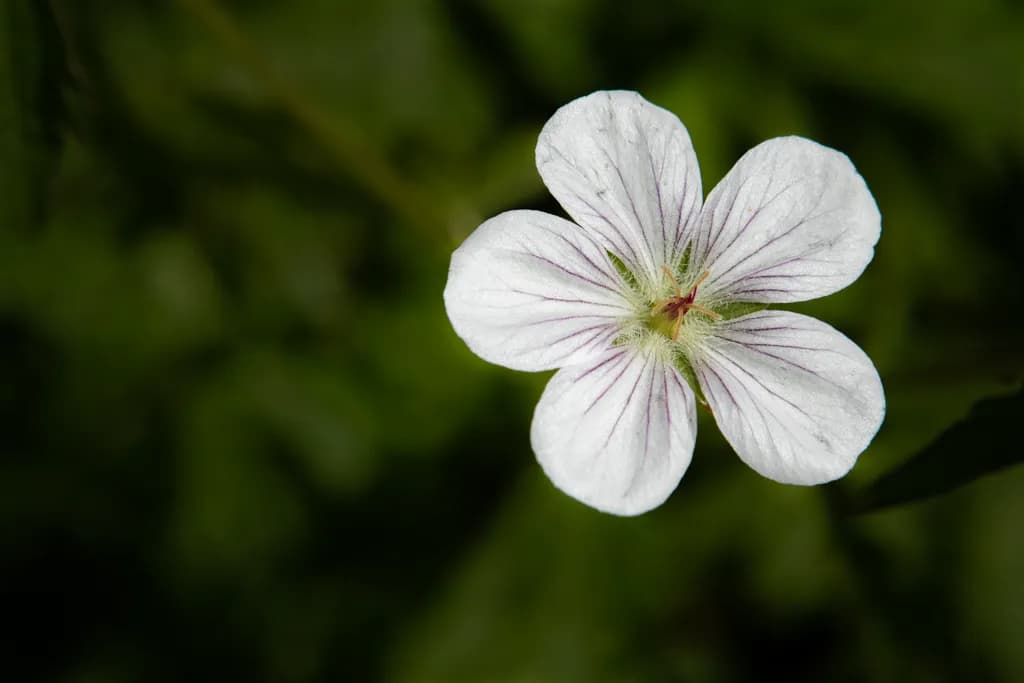
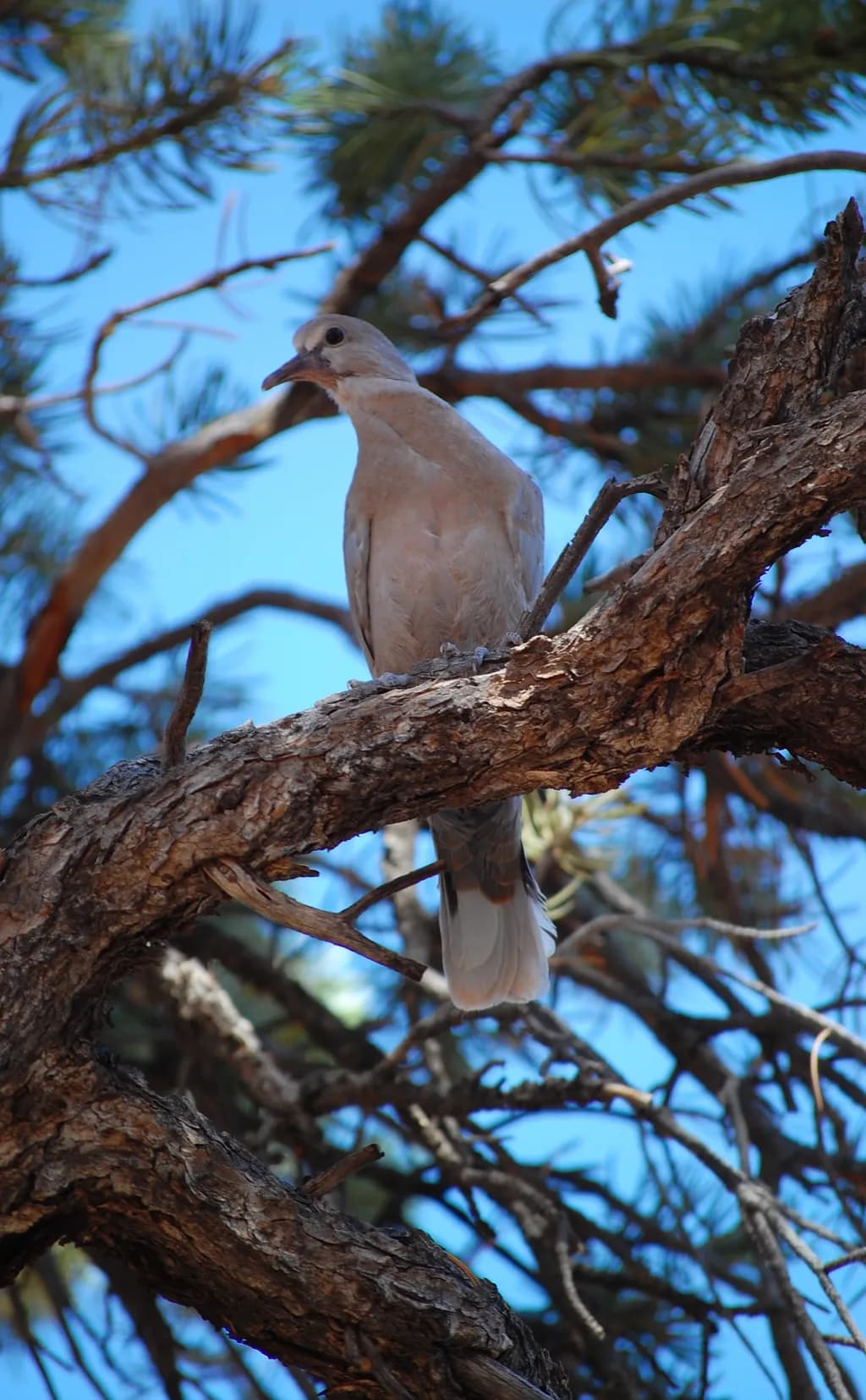
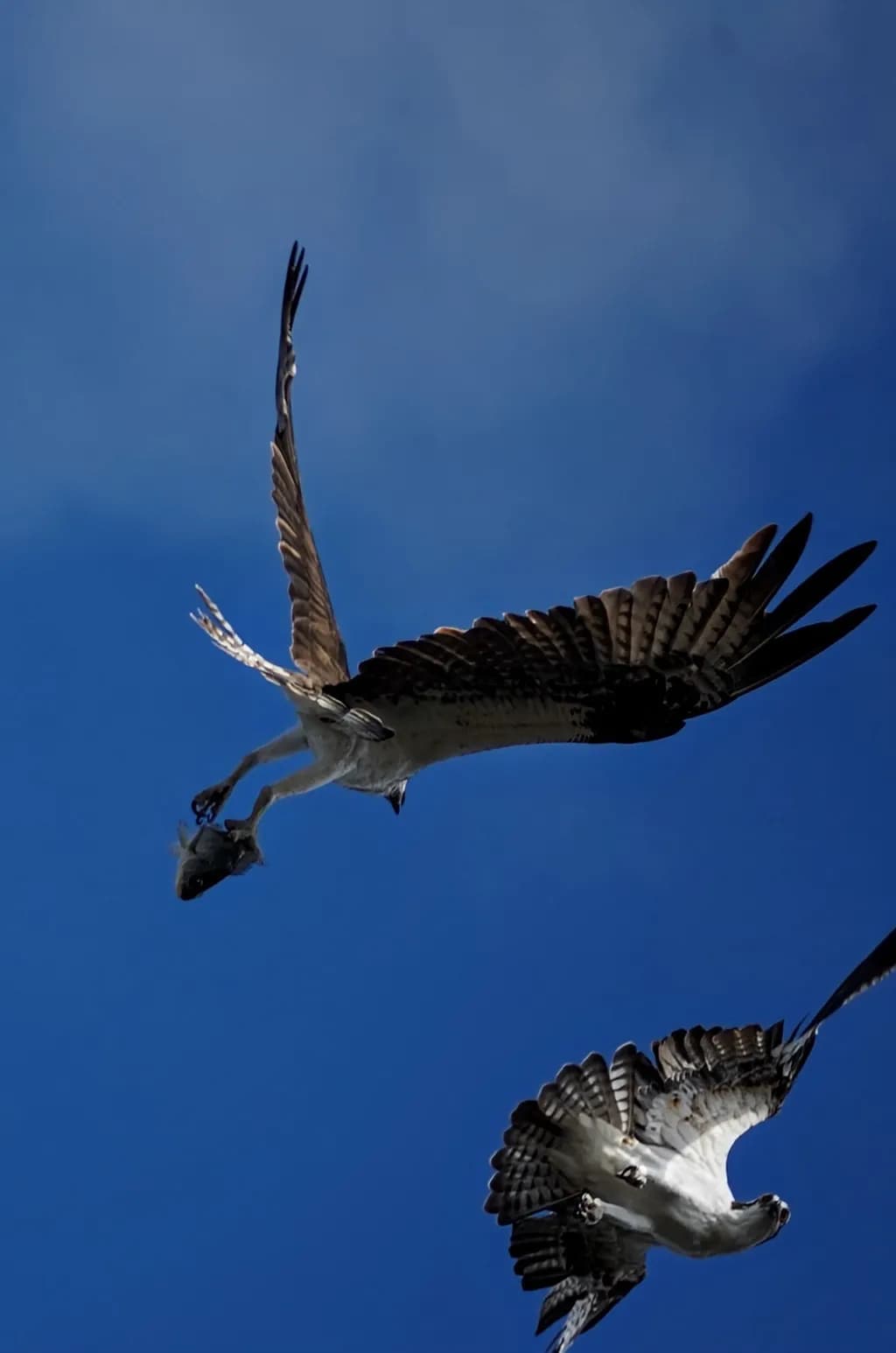
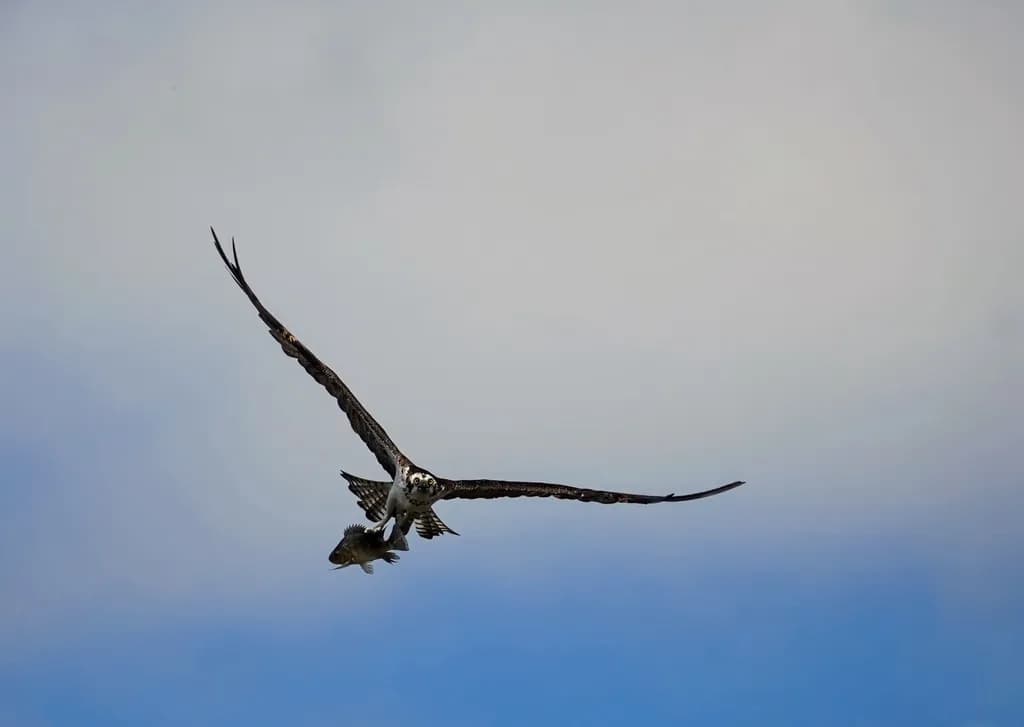
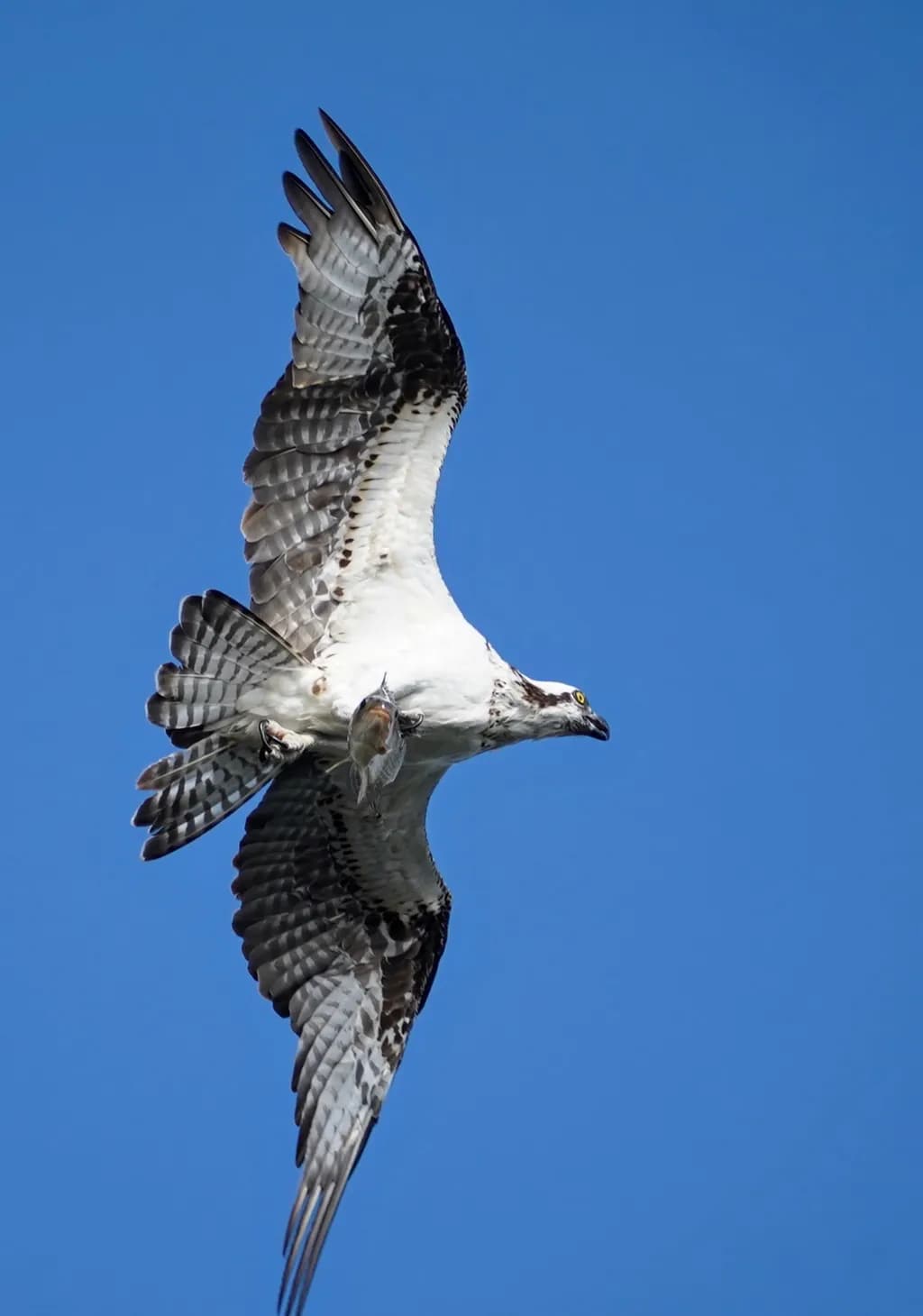
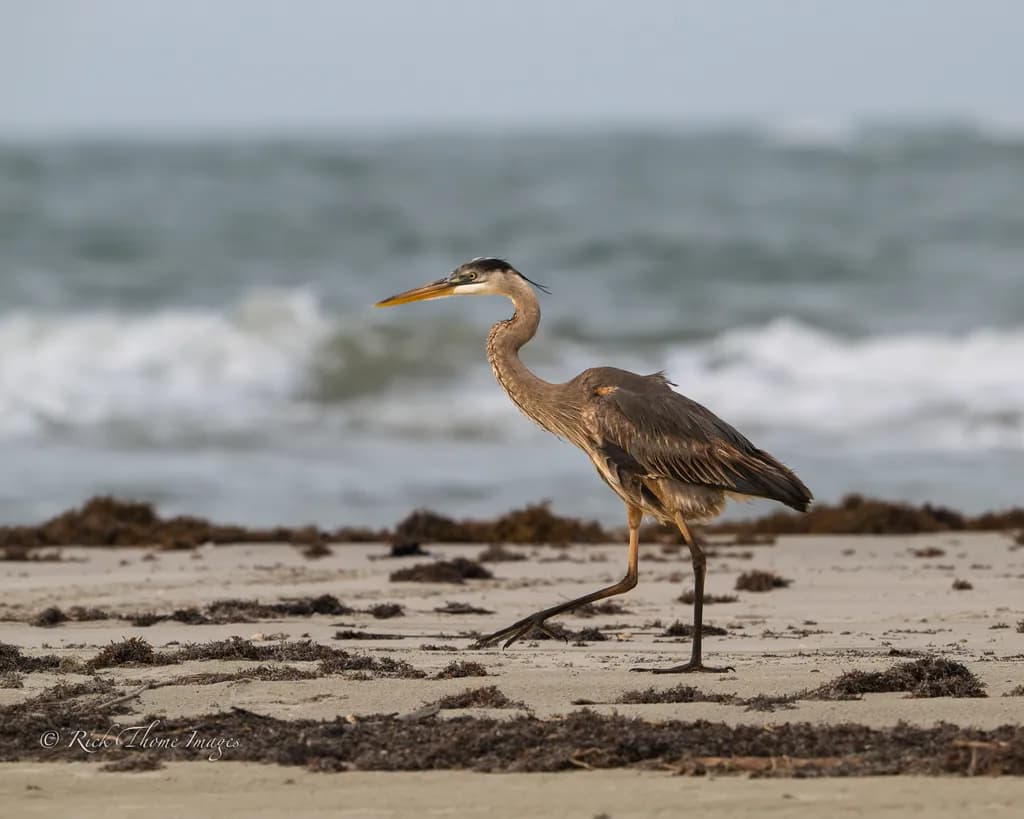
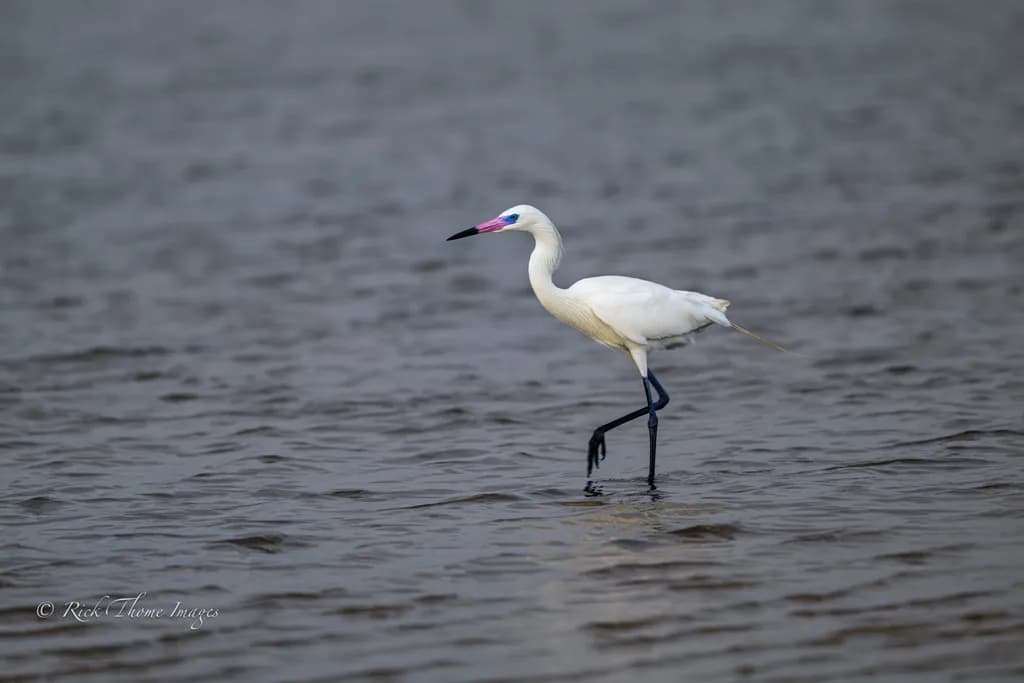
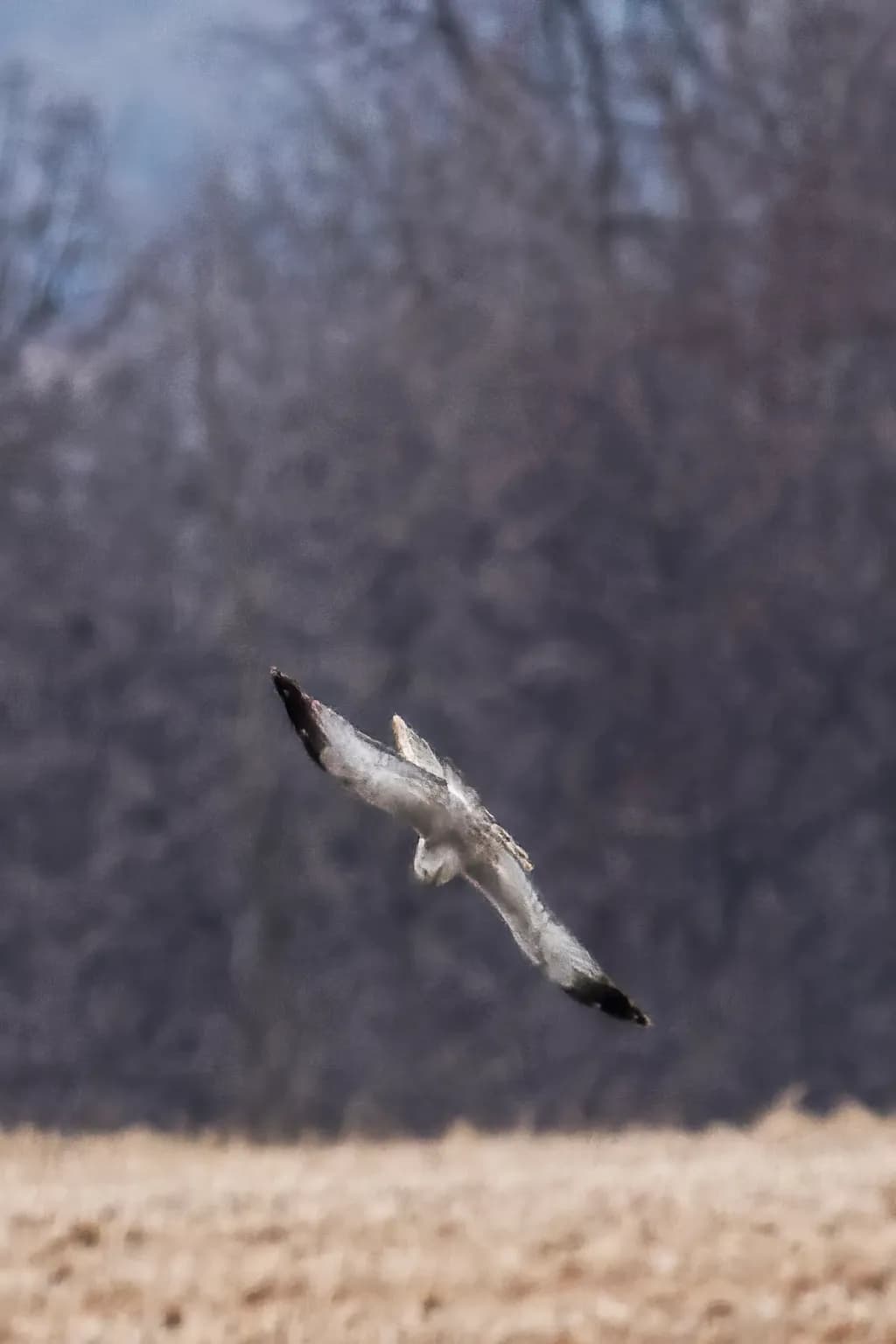
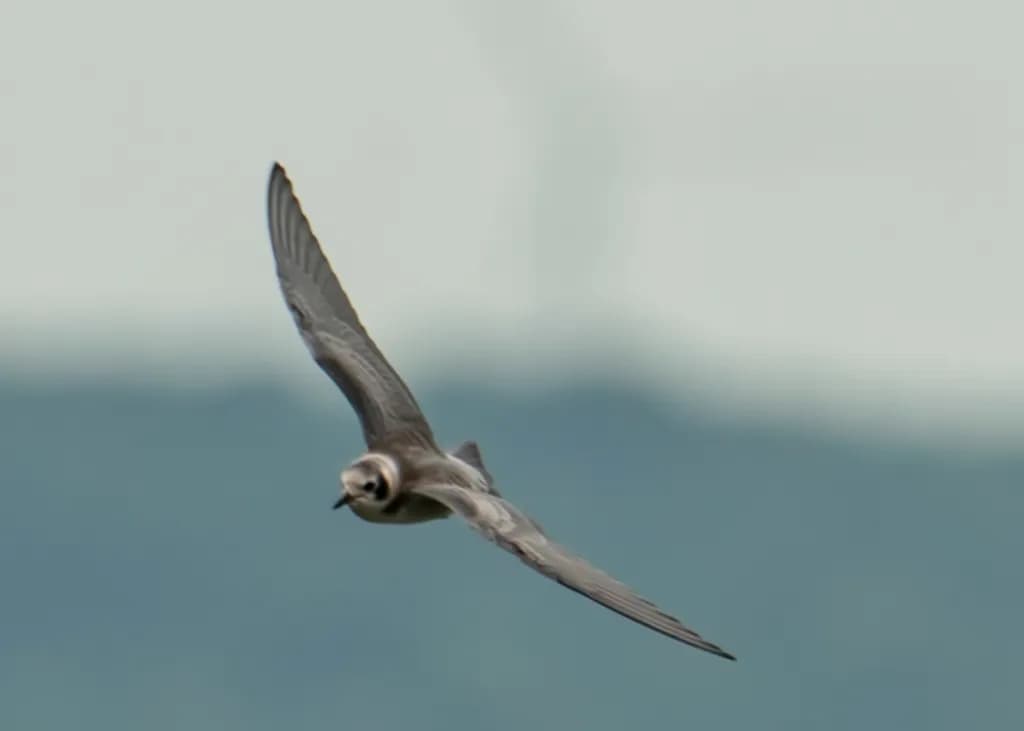
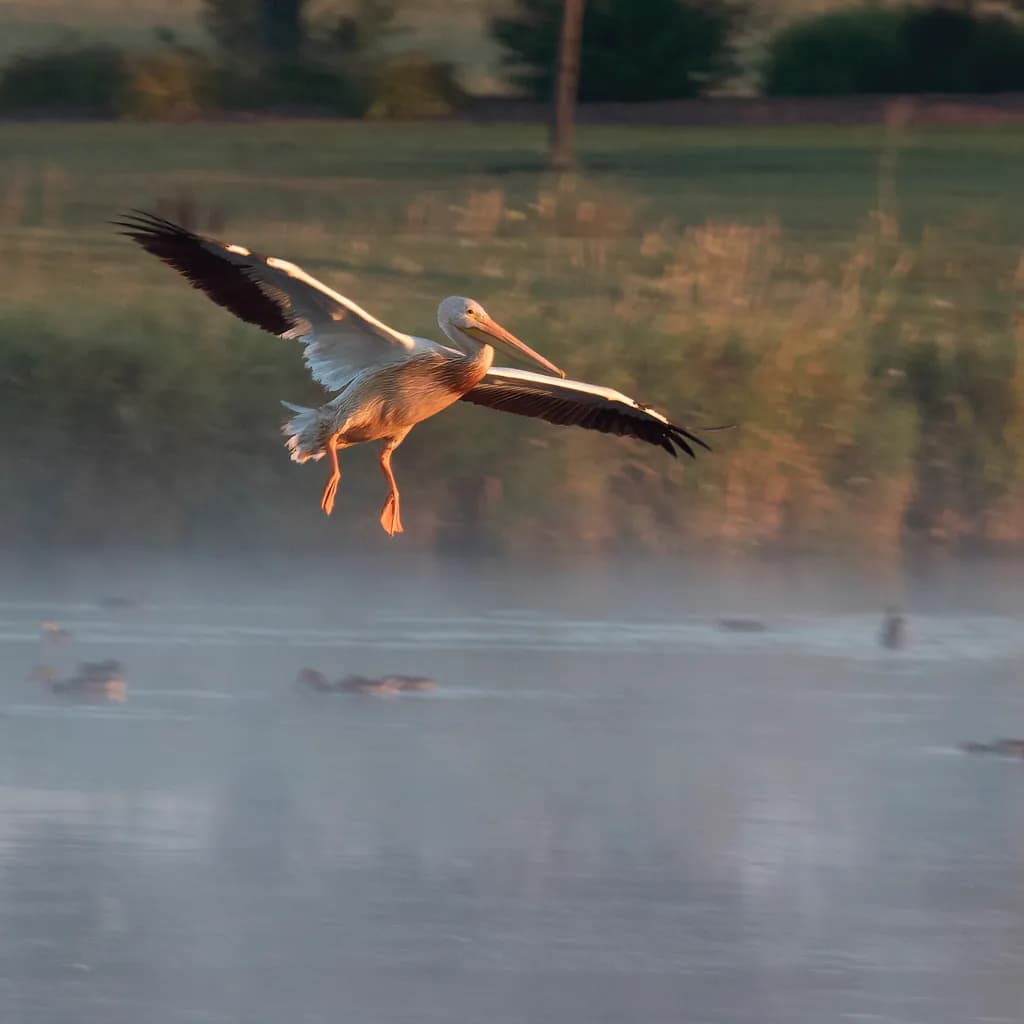
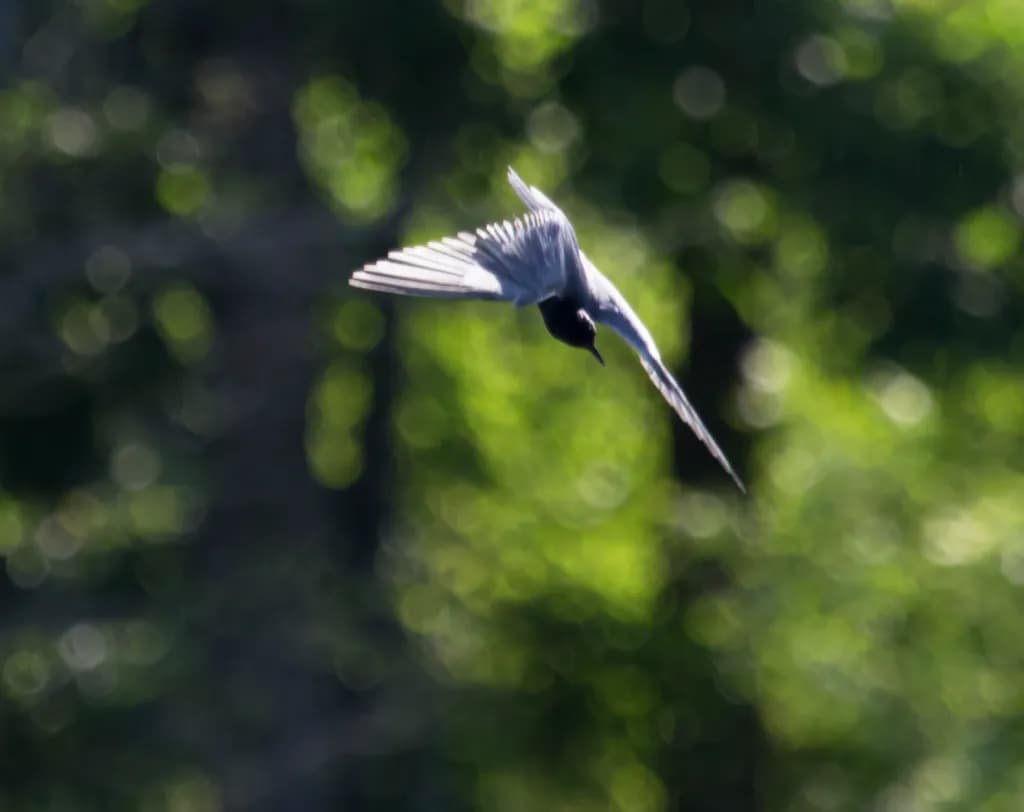
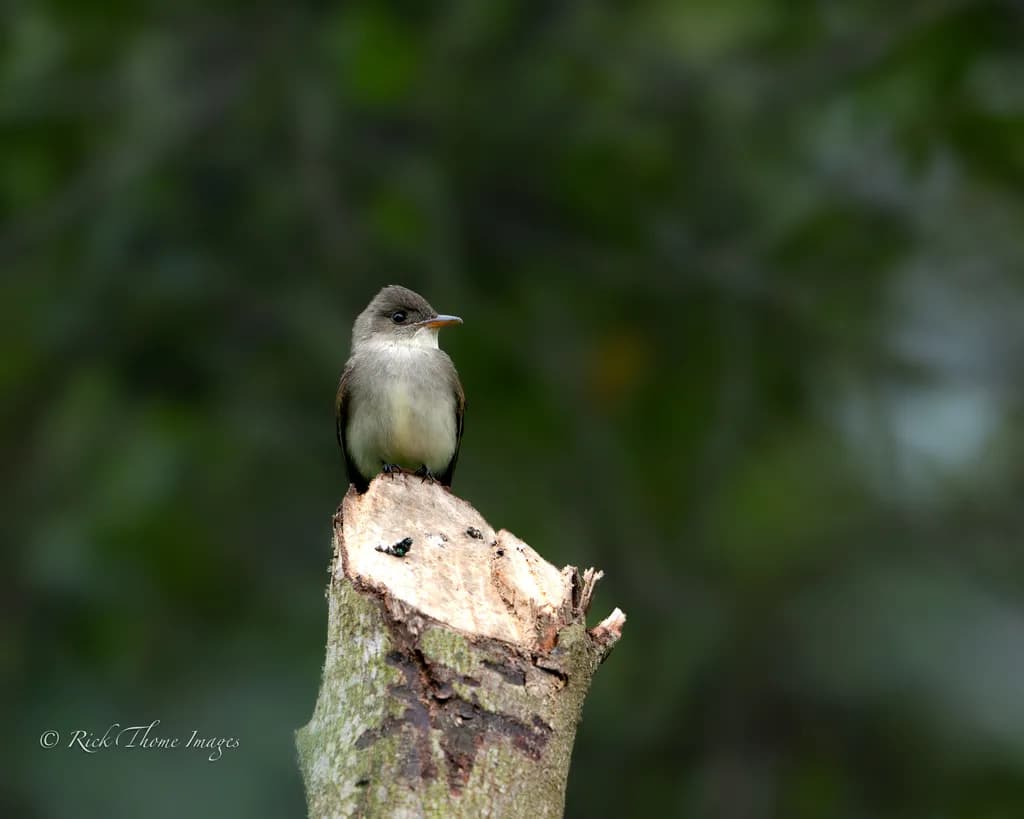
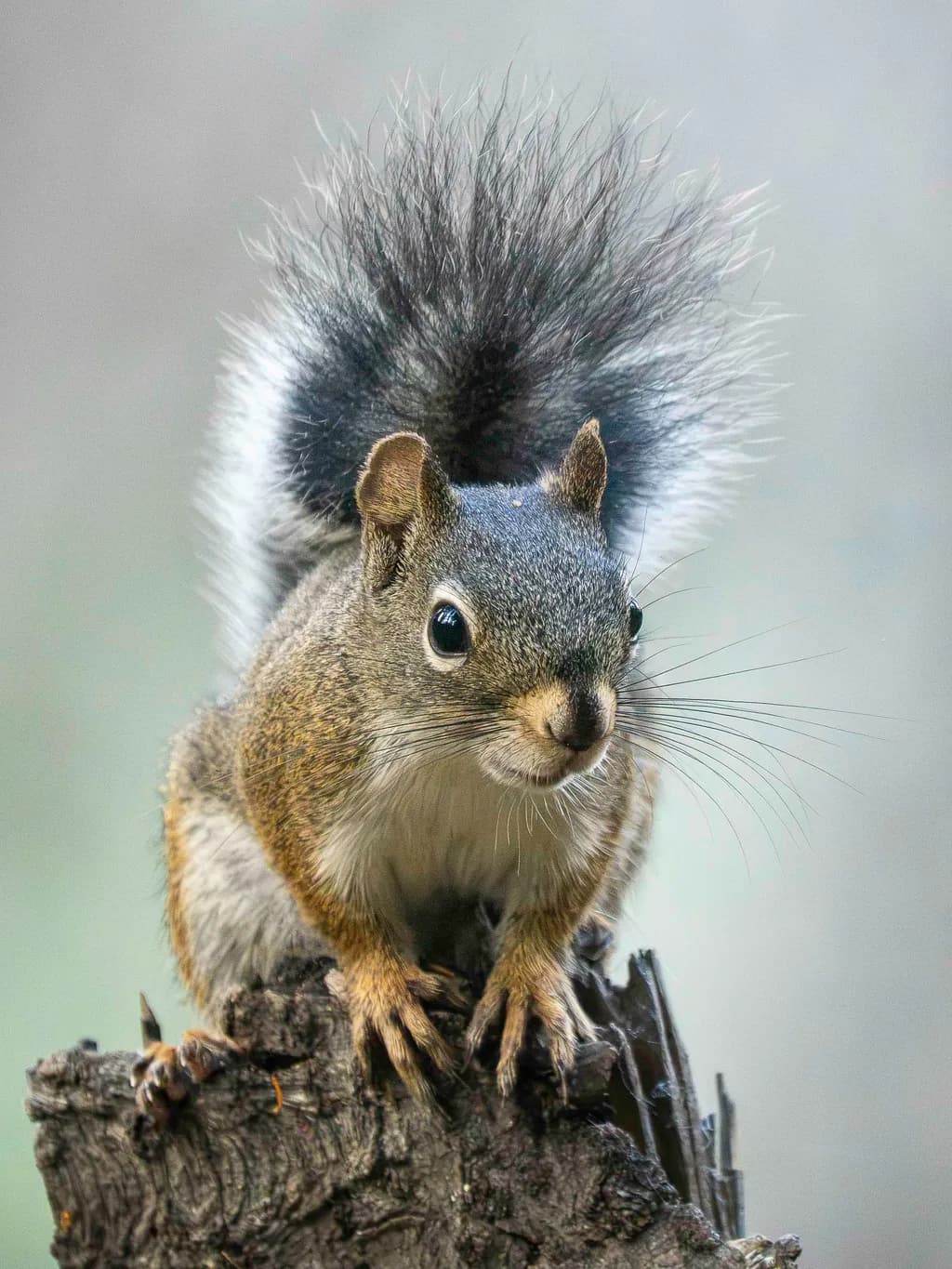
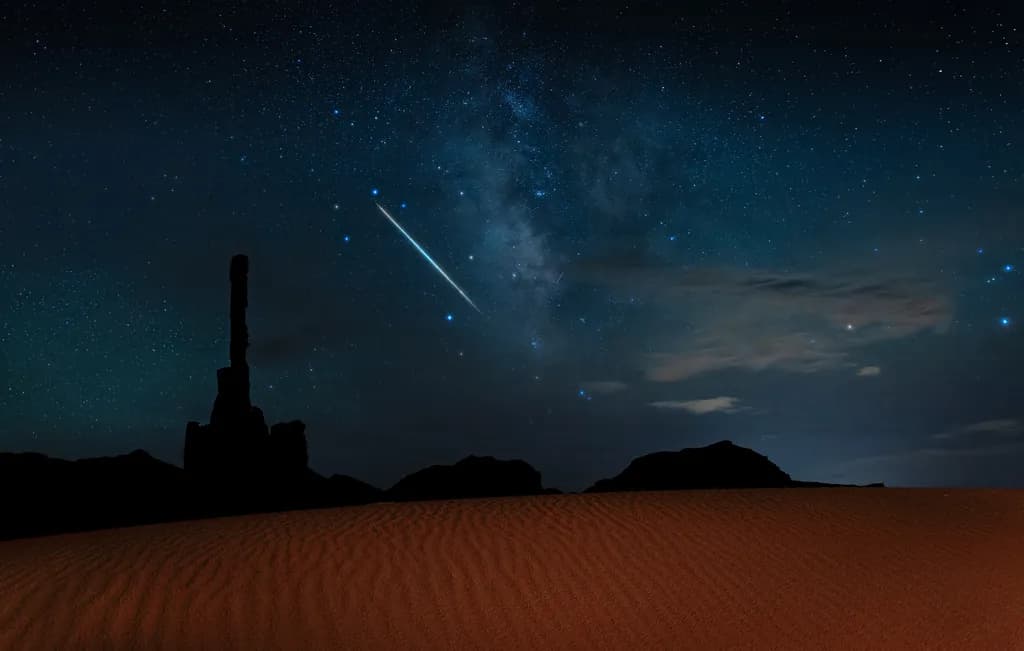
"Canadian Geese in Flight"
Series of 4 sequential photographs.
© 2026 Art Storefronts
v4.6.1
A space for photographers who capture images that celebrate the natural world – from breathtaking landscapes to floral macrophotography to wildlife.


"Canadian Geese in Flight"
Series of 4 sequential photographs.


A split-second territorial clash at my feeder where two hummingbirds lock into a tight, acrobatic dispute. My practice uses long lenses, fast shutter speeds, and shallow depth of field to isolate fleeting motion.

I was out camping when I noticed the nuthatches out feeding. I was not there explicitly to take photographs but I always have my camera on hand so it became my mission to capture an image of these quick and flighty birds in action!
Most photographers learn ISO as a simple low-to-high noise slider, but Simon d'Entremont digs into why certain ISO values actually handle noise better than others depending on your camera's sensor architecture. Worth the time if you've ever wondered whether there's more to ISO selection than just keeping the number low.


As promised, I've done a bit of additional work to an image I posted a week or so ago from the Black Canyon of the Gunnison NP called "Island Peaks." Here are the original, a version where I brightened the image and selectively dodged the fins a bit to hopefully bring out the texture better, and a third version with a vignette to try to reduce some of the glare on the foreground rocks. Let me know which version works best. (I played with b/w conversions as suggested on my first post, but I wasn't happy with what I was getting.)

"Queen of Her Domain" is one of my favorite wildlife photos. This older desert bighorn ewe stopped right above the road in Colorado National Monument, followed by several younger ewes and lambs. I love the juxtaposition between the ancient sandstone and the jet trails in the sky above her. It's one of those serendipitous images that tells a story beyond the capture itself.
Spent a morning last week at a lakefront where the far shore was doing something beautiful in the fog, but I couldn't get closer without wading in. Got me thinking about something I keep going back and forth on.
When I frame tight in the viewfinder, it feels like a decision. When I crop later on a scan, it feels like a correction. But if we're honest, the result is the same: you're working with less of the negative (or less of the sensor, for those shooting digital). The final image doesn't know whether you committed at the moment of exposure or trimmed afterward. Optically, neither approach adds detail that wasn't there.
I used to be pretty rigid about "get it right in camera" as some kind of discipline badge. Then I realized I was just punishing myself for not owning a longer lens, and a good crop from a well exposed frame held up fine in print.
Do you actually approach these two differently in your workflow, or have you landed on them being the same thing with different emotional weight? Curious how this plays out for people across different mediums and processes.
Last weekend I was shooting a narrow side street, old plaster crumbling off brick, and I caught myself reaching for my longest lens to isolate a section of wall from across the road. Then I stopped. Walked over instead. Got close enough to see the grain of the mortar, the way rain had carved tiny channels into the surface. Completely different photograph.
It made me think about how often I default to zooming in from a distance when the better move is simply closing the gap. Physically being near the subject changes everything: the light wraps differently, you notice details you never would have framed from ten meters back. With urban texture especially, proximity is where the feeling lives.
But I also know there are moments when getting closer isn't the answer. Sometimes that compression from a longer focal length is exactly what a scene needs, or the subject shifts when you approach it.
How do you decide? Do you tend to move your feet first, or reach for more glass? And what holds you back from getting closer when you know you probably should?


Hey Guys, I have been working on this new hummingbird project, I call it "Stained Glass Wings". Nothing artificial has been added and no AI used. Some slight color saturation boosts and pulling color from the background is really the bulk of the post processing. The real trick is on the front end, shooting into the sun, correct angles, wing position, camera height etc.
What do you guys think of my project so far?
Last month I was out in the Mojave trying to pull detail from a distant ridge formation against the Milky Way core. Swapped to a longer focal length expecting sharper silhouettes and more separation in the rock features. The result looked softer than what I'd gotten at a wider focal length earlier in the night.
Turns out the culprit was residual heat radiating off the desert floor. Even hours after sunset, the thermal turbulence was smearing fine detail in a way no amount of focal length could fix. I've noticed the same thing on humid nights near Anza Borrego, where low altitude haze eats contrast before the lens even factors in.
For those of you shooting distant subjects at night or during twilight, have you found conditions where the atmosphere just wins? I'm curious whether anyone has developed a reliable way to read the conditions before committing to a longer focal length setup, or if it's mostly trial and error once you're on location.
Shot a temple roofline from across a river last month and the crop didn't hold up the way I expected from a 45MP file. Got me thinking about whether a high density crop sensor body would actually resolve more of that distant detail than my full frame does.
For anyone shooting architecture, street scenes, or anything where you can't always get physically closer, have you compared a crop sensor with tight pixel pitch against a higher megapixel full frame? I'm mostly after fine texture in stone, tile work, signage. Not wildlife distances, but far enough that I'm leaning hard on the crop.
Curious what bodies people are actually using for this and whether the real world difference matched what the specs promised.
I spent a long time believing that if I could just get closer or crop tighter, I'd end up with a better photograph. More subject, more detail, more impact. It took me an embarrassing number of shoots in Shenandoah to realize that wasn't always true.
I had this one morning last fall where I was photographing a red tailed hawk perched maybe 40 yards out. I cropped the image way in, filled the frame with the bird, and the result looked soft and flat. Then I looked at the wider version where the hawk was just a small element against this ridgeline fog, and honestly that was the stronger photo by a mile. The detail wasn't better up close. I was just stretching what the lens actually captured.
It changed how I think about composition. Sometimes the subject being smaller in the frame, with context around it, tells more of the story than a tight crop ever could. The urge to fill the frame is real though, and I still catch myself doing it.
Has anyone else run into this? Moments where pulling back or leaving more space actually gave you a stronger result than going tight?
Simon d'Entremont manages to put words around that quiet feeling of why we keep picking up the camera, even on the days nothing cooperates. It's the kind of reminder I needed after a week of kneeling in wet grass for one bluebell that never quite caught the light I wanted.

You got to look before crossing the road! Coyote's often walk the roads in Yellowstone but this is getting out of control how good they are getting at it! : )
Simon d'Entremont lays out the auto ISO mistakes that trip people up, and the one that stuck with me is how easily you can lose control of noise in exactly the conditions where you need clean shadows most. If you shoot in low light or moody atmospherics, this is worth the time.
Simon d'Entremont nails something here that took me a long time to internalize shooting facades in flat midday sun. The reframe from "bad light" to how you're reading and responding to it is the kind of shift that actually changes what you come home with.

Cardinals are the state bird of Ohio, but not found much in my current state of Colorado. When I go home to visit family I take every opportunity to get out and look for these colorful birds. This was taken on Thanksgiving week along the Towpath trail in the Cuyahoga Valley National Park!