
© 2026 Art Storefronts
v4.4.29© 2026 Art Storefronts
v4.4.29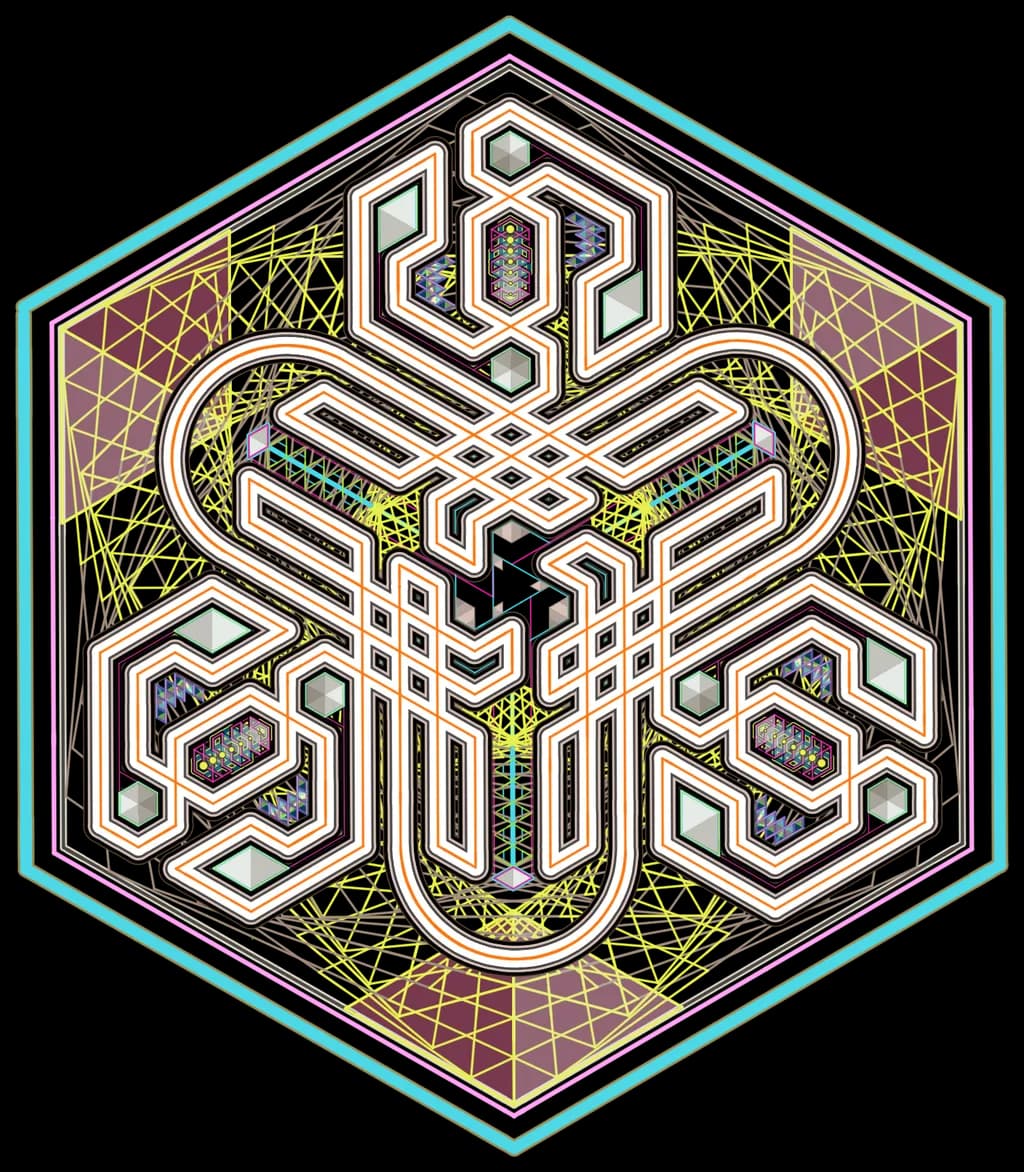
Given any arbitrary cubic centimeter of 'empty space' in the universe, there is always something to observe - because space is not empty. It is filled with 'background radiation' - in other words: primordial light. Not a frequency of it in the typical sense, as it is bounded on all sides within and without by the indefiniteness of the universe within which one will always be able to observe more 'space' in form or in flux. To find out just how much mass space has, account for how 'full' the cubic centimeter of space could be by pack it with the smallest measureable distance - the Plank length, or, radius of a single light particle (photon). This would be analogous to 'everything, everywhere, all at once' or, simply, all possible entry angles from which light can traverse the cubic centimeter. Comparing that to the mass of all the matter in the known universe (everything everywhere) packed into this same cubic centimeter reveals the cubic centimeter of 'empty space' packed with potential alone has more mass than all the matter in the universe by approximately 38 orders of magnitude. So is space truly empty?