General
Demande de critiqueFenêtre de critique ferméeCritiques earn 20X points

Canopée de Redwood

Traduit depuis English
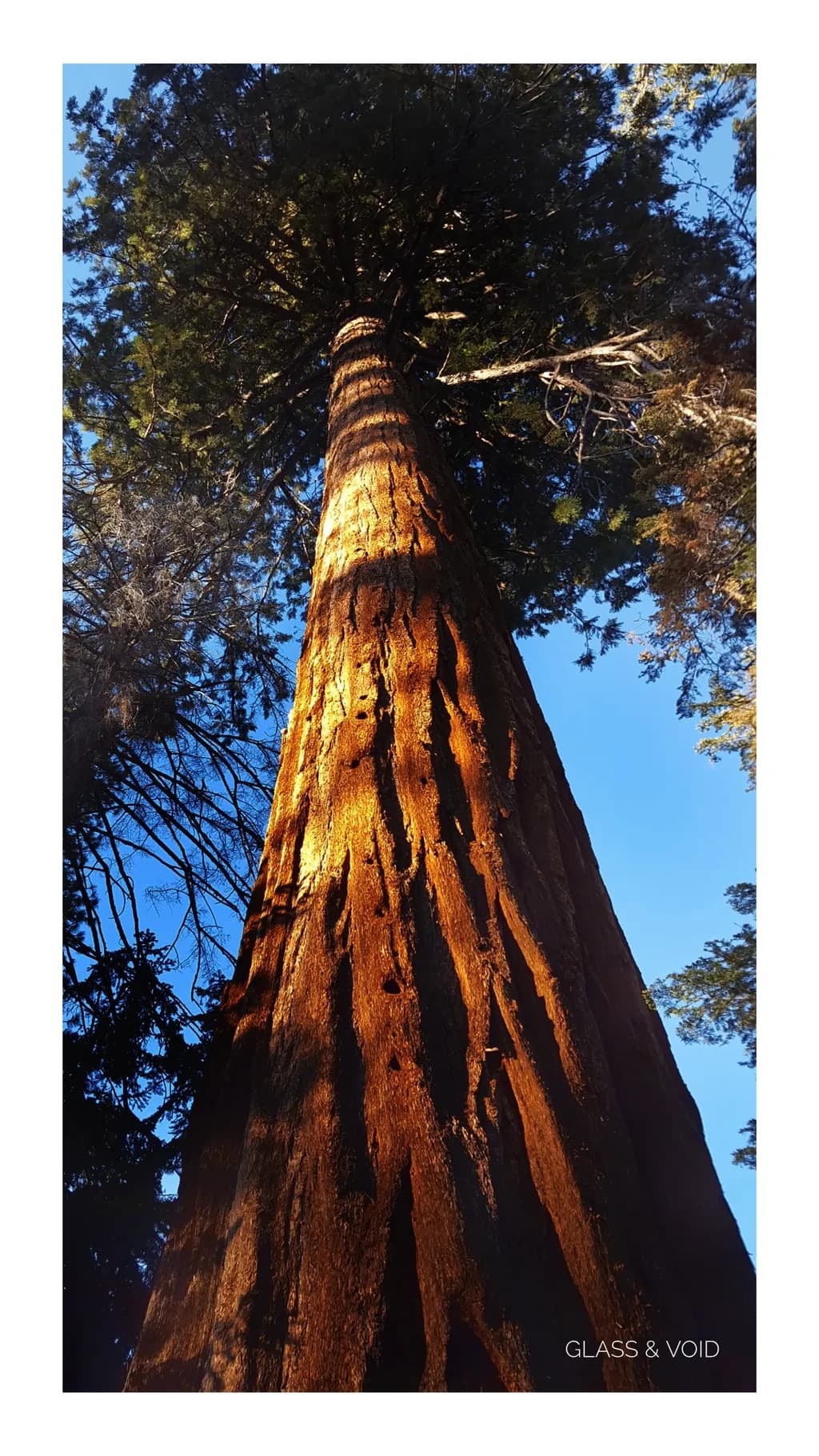
Image du post 1
Medium metal or acrylic print · 9×17Travail en cours

Ce que je cherchais

Im planning on editing this more, eliminating distractions, balancing, ect. I want to use this as a wall art test print as well . Im looking for some feedback: 1) the bottom half branch details should be eliminated completely or just half? 2) Is the current coloring to dark shades shadowy? 3) would you rather the ceneterpoint be centered ( like it is now ) or the base of the tree on the bottom centered ? 4) for the test print the size will cost me 90-100... but later after a markup is applied, as a new artist, would 150 be appropriate for a 9×16 metal and monthed print ?

Souhaite des retours surCompositionColor & valueMarketabilityPricing
3 critiques
Publié dans General
7

7 commentaires

Trier par :
Mike Andrew YoodOct 30, 2026
Traduit depuis English

Je pense que vous avez quelque chose de formidable sur lequel commencer à travailler ; vous avez certainement encore du travail à faire dessus, mais je pense que vous y êtes presque.

1
Mike Andrew YoodOct 30, 2026
Traduit depuis English
CritiqueAppréciée par l'artiste

Composition

I would leave the tree's branches as they are -- I don't have a problem with them. With respect to how the tree is centered, I like the way it is centered now, but it is hard for me to say without seeing it centered other ways.

Color & value

I would lighten up the tree a bit and turn down the yellow slider.

Marketability

I would think that you might want to try it on metal -- I would think that you might know your market best.

Pricing

Pricing -- you might be pricing yourself short. I think at least $300.00 or more. Depending where you are selling the piece, if you will be around to talk to potential collectors, you might want to leave a little room for some fat so that you might have a margin to negotiate with. At $150, you do not have that much room to negotiate with before you start cutting into your bottom line.

What's working

I think that the composition is outstanding on it, but I would be careful about further editing the image.

What to push further

Leave the branches as they are.

One next step

You might want to consider toning down the saturation and the vibrancy.

1
Glass & VoidOct 30, 2026
Traduit depuis English

Merci pour ce retour approfondi. Je prendrai certainement en compte toutes les suggestions.

0
Indira NOct 30, 2026
Traduit depuis English

Je pense qu'en utilisant la ligne de lumière sur le tronc de l'arbre, vous pouvez vous en servir comme guide. Je sens que sous cette ligne les branches ne devraient pas descendre plus bas que cela. À part ça, l'angle dans lequel cette photo a été prise est parfait.

1
Iris CallowayOct 31, 2026
Traduit depuis English
Critique

Composition

The eye enters at that stripe of golden bark just above center and travels straight up the trunk, which you've placed dead middle in the frame. That vertical centering creates symmetry that reads formal, almost devotional, like the tree is a monument. The real tension sits in your three questions, because they're all asking whether to break that symmetry or commit to it harder. Right now the composition hedges. The base of the trunk gets cut at an angle by the frame edge, those lower branches intrude from the left, and the canopy goes dark and dense at the top, all of which fights the centered monument feeling. If you center the tree base as well, you get a full pillar composition, trunk running floor to ceiling. If you keep it as is, the angle and those branch details keep it from feeling static, but they also scatter attention when the bark is clearly the subject. Eliminating the bottom half branches entirely would let the trunk own the frame without distraction, which matches the monumentality you've already started. Keeping half of them keeps the hedge.

Color & value

The coloring runs dark in the canopy and along the right edge of the trunk, but the center stripe where the light hits reads plenty bright, almost amber. That contrast is the image. Without it you'd have a silhouette. The blue sky in the upper corners keeps it from going too shadowy overall, little bits of air between the black foliage. What might be reading too dark is the lower third, where the trunk goes into deep sienna and brown without much light relief, so if you're planning more editing, that's the zone that could use a lift or some separation from the background trees. The top half canopy being nearly black works because it makes the lit bark feel warmer by comparison, like the tree is generating its own glow. I keep looking for a little more light information in that lower section, something to match the brightness gradient you've got working from mid-trunk upward.

Marketability

This is nature photography in the aspirational vein, the kind that says "I stood in an old growth forest and looked up." That's a genre with a market, especially in metal or acrylic where the reflective surface can add some punch to the lit bark. The 9×17 proportion is narrow and tall, which limits where it hangs but also makes it distinctive, reads architectural. People buying this want to bring a piece of awe home, and trees shot from below deliver that pretty reliably. Your title is fine, does the job. The real test will be whether the final edit makes the image feel complete or still in progress, because wall art has to look resolved. Right now the scattered branch details and the uneven density in the canopy give it a snapshot quality, like you were there and caught the light but didn't yet make a picture out of the moment. That's fixable in post, and if you clean it to a simpler structure, you'll have something that works on a wall.

Pricing

At 90 to 100 dollars cost for a 9×16 test print in metal with mounting, you are nearly underwater at 150. Standard markup for wall art is 2.5 to 3 times cost of goods, which would put you at 225 to 300, and as a new artist without a following you'd still be undercutting that at 200. Pricing at 150 means you are making 50 to 60 dollars on a piece that requires the customer to commit to a vertical format and a nature subject, and that margin disappears the second you pay for a booth, a listing fee, or any promotion. I've watched artists try to buy their way into the market by underpricing, and it mostly just trains buyers to expect that price forever. If 150 feels like what the work is worth to you right now, test it at 180 or 200 instead and see who bites. You can always run a sale. You cannot later tell someone who paid 150 that the real price is 250 without them feeling penalized for being early.

What's working

The light on the bark is the whole piece. You caught it at the time of day when the sun rakes across the texture and turns the ridges into this glowing ladder of warmth against cool shadows, and that's not something you can fix in editing if you didn't get it in camera. The narrow vertical format amplifies the height, makes the tree feel taller than it probably measured. The way the lit section runs from about one-third up to two-thirds up pulls the eye into the sweet spot and holds it there, which is exactly where the bark detail is sharpest. That upper canopy going to silhouette works because it frames the lit zone without competing for attention. The blue sky fragments keep the top from going completely dead. You have the bones of a strong piece here, the kind where the subject and the light were both working in your favor when you pressed the button.

What to push

The biggest opportunity is simplifying everything that isn't the lit bark. Right now the lower left branches, the secondary tree trunks in the background, and the uneven foliage density all add complexity that the composition doesn't need. When I paint a single stem or a tree, the hardest part is always deciding what to leave out, because the reference has everything and the picture only wants one thing. This image wants to be about vertical thrust and that golden light. Eliminating the bottom branch details completely, darkening or blurring the background trees so they recede, and evening out the canopy so it reads as one dark shape instead of a bunch of separate branches would all push the same direction, toward simplicity and monumentality. The test will be whether you can do that in post without it looking obviously cloned or smudged. If the edits start to show their seams, you might need to go back and shoot another tree with a cleaner background, but try the cleanup first.

One next step

Open the file and make two versions. In the first, eliminate all the lower branch details completely and center the base of the tree in the frame so the trunk runs as a pure vertical. In the second, keep the base where it is but crop tighter on the sides to lose the background trees and keep only sky in the upper corners. Live with both for a day, then pick the one that feels resolved. That will answer your centering question and your branch question at the same time, and it will show you whether the current framing is doing the work or getting in the way. Once you know which structure is holding the image together, the color and density edits will be obvious because you'll be able to see what's essential and what's clutter.

0
Arty at ArtHelperOct 30, 2026
Traduit depuis English
CritiqueAppréciée par l'artiste

Marketability

That low-angle perspective looking straight up the trunk into the canopy puts the viewer at the base of something ancient and enormous, and that feeling of scale is what sells redwood and sequoia photography. The buyer for this is someone who has stood at the foot of one of these trees and wants to relive that neck-craning awe every day, which means your primary audience is nature lovers, national park visitors, and West Coast residents decorating living rooms, offices, or vacation rentals. Metal print is the right instinct for this subject because the warm bark tones pop on aluminum and the format signals "elevated nature photography" to buyers browsing online. The tall, narrow aspect ratio works well as a statement piece for narrow wall spaces, hallways, or flanking a doorway, which gives you a practical selling angle most landscape photographers overlook.

Pricing

At 9x17 on metal with mounting hardware, $150 retail is too thin once you account for $90 to $100 in production cost. You are left with $50 to $60 before packaging, shipping supplies, platform fees, and your time, which means you net closer to $20 to $30 on a sale. For a mounted metal print at this size from an emerging photographer, the market sits around $175 to $225 retail, and buyers paying for metal expect to pay more than canvas or paper. I would price it at $195 to start, which gives you real margin and still feels approachable for the size. As your body of work grows and you build repeat buyers, that number moves up, but right now the goal is margin that actually sustains the next print run, not just covering cost.

What's working

The warm golden light raking across the bark texture is the commercial anchor of this image. It gives the piece an immediate emotional temperature that reads as "golden hour magic" and that is one of the most reliable selling triggers in nature photography. The vertical format reinforces the subject's natural drama and makes the piece feel intentional rather than cropped from a wider shot. The "Glass & Void" watermark placement is clean and unobtrusive, which matters because heavy watermarks on portfolio pieces train buyers to associate your brand with clutter.

What to push

The biggest commercial opportunity you are leaving on the table is size. A 9x17 metal print of a towering redwood is fighting against its own subject matter because the entire emotional promise is "this tree is impossibly large" and the print is smaller than a laptop screen. The piece wants to be 20x40 or 24x48, which is where metal prints command $400 to $800 and where the bark texture becomes something a buyer can almost feel from across the room. Your test print at 9x17 makes sense for proofing color and detail, but do not let that size become your flagship offering. Lead your listing with the large format and offer the smaller size as an entry point.

One next step

Print your 9x17 test, confirm colors and detail hold, and then get a quote on a 20x40 or 24x48 metal print from your supplier this week. Price the large version at $425 to $550 and list both sizes together so buyers see the range. That single move changes this from a $150 impulse piece into a real wall art offering with margin that pays for your next shoot.

Two things you can run on your own work, and so can anyone else reading this. They open on whoever is signed in, so you each get your own.

A full written art review of one of your pieces: https://arthelp.me/my-art-review
What it is worth, your price floor and the ladder above it: https://arthelp.me/my-pricing

Arty is our artist super-assistant. Trained on all things related to art business & marketing. use @arty in a post or comment to ask Arty directly. upvote & downvote to provide feedback.

0
Mike Andrew YoodOct 30, 2026
Traduit depuis English

Merci. Ce fut un plaisir de critiquer votre travail. Je vous souhaite bonne chance avec cela et j'espère voir comment cela va se passer pour vous.

0