

Comunidad

Exhibiendo en Galerías y Exposiciones Juradas

Un lugar para discutir los desafíos y aspectos positivos al exhibir en galerías y exposiciones juradas locales. Un espacio para compartir experiencias, hacer preguntas y compartir consejos y conocimientos sobre cómo navegar las a veces confusas dificultades de las exhibiciones de arte en persona.

Traducido de English

Publicaciones

hace 1sem

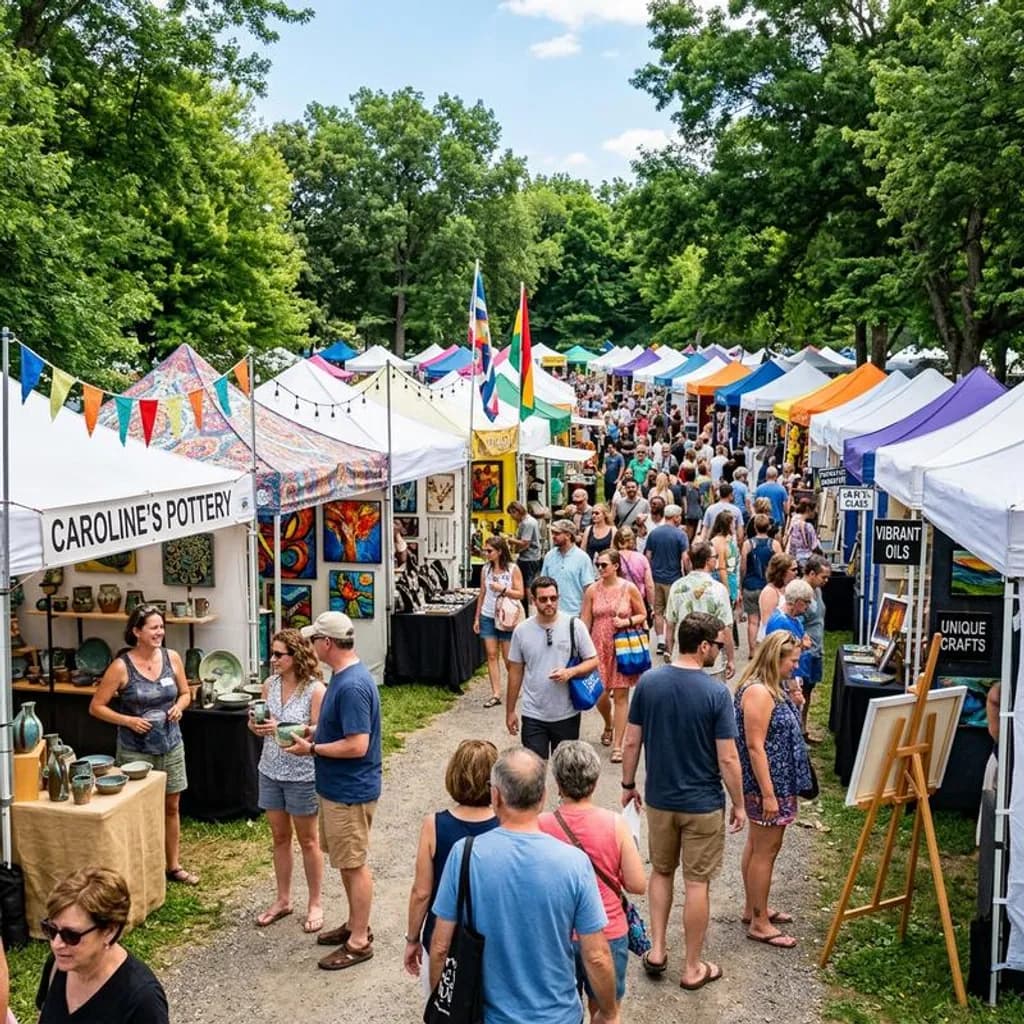
La diferencia entre ferias de arte y festivales de arte
Traducido de English
Imagen del post 1

Los artistas a menudo usan estos términos indistintamente, pero son entornos muy diferentes — con diferentes compradores, diferentes rangos de precios y diferentes objetivos.

Los festivales de arte son eventos comunitarios. Piensa en ferias callejeras, mercados al aire libre, fines de semana de arte local. El público es amplio y casual. La gente mira más que compra. Aquí se mueven bien obras más pequeñas y precios más bajos. Es un lugar excelente para construir reconocimiento local, vender reproducciones y encontrar nuevos suscriptores para tu correo electrónico. La atmósfera es accesible.

Las ferias de arte son eventos del sector. Piensa en Frieze, Art Basel, NADA. Estos atraen a coleccionistas serios, galeristas, curadores y prensa. Las obras se venden a precios más altos, y las relaciones que se forman pueden cambiar carreras. La participación es competitiva — generalmente a través de galerías en lugar de directamente — y el costo de participar es importante.

También existe un punto intermedio: ferias de arte juradas regionales. Estos suelen ser eventos de fin de semana en parques de la ciudad o centros de convenciones, evaluados por un jurado, con coleccionistas que realmente están allí para comprar. Los precios están entre los de festivales y ferias principales. Estas pueden ser excelentes para artistas en medio de su carrera construyendo una base de coleccionistas.

Conocer en qué entorno estás participando te ayuda a preparar el trabajo adecuado, ponerle precio correctamente y establecer expectativas realistas sobre qué significa tener éxito.
1
hace 1sem

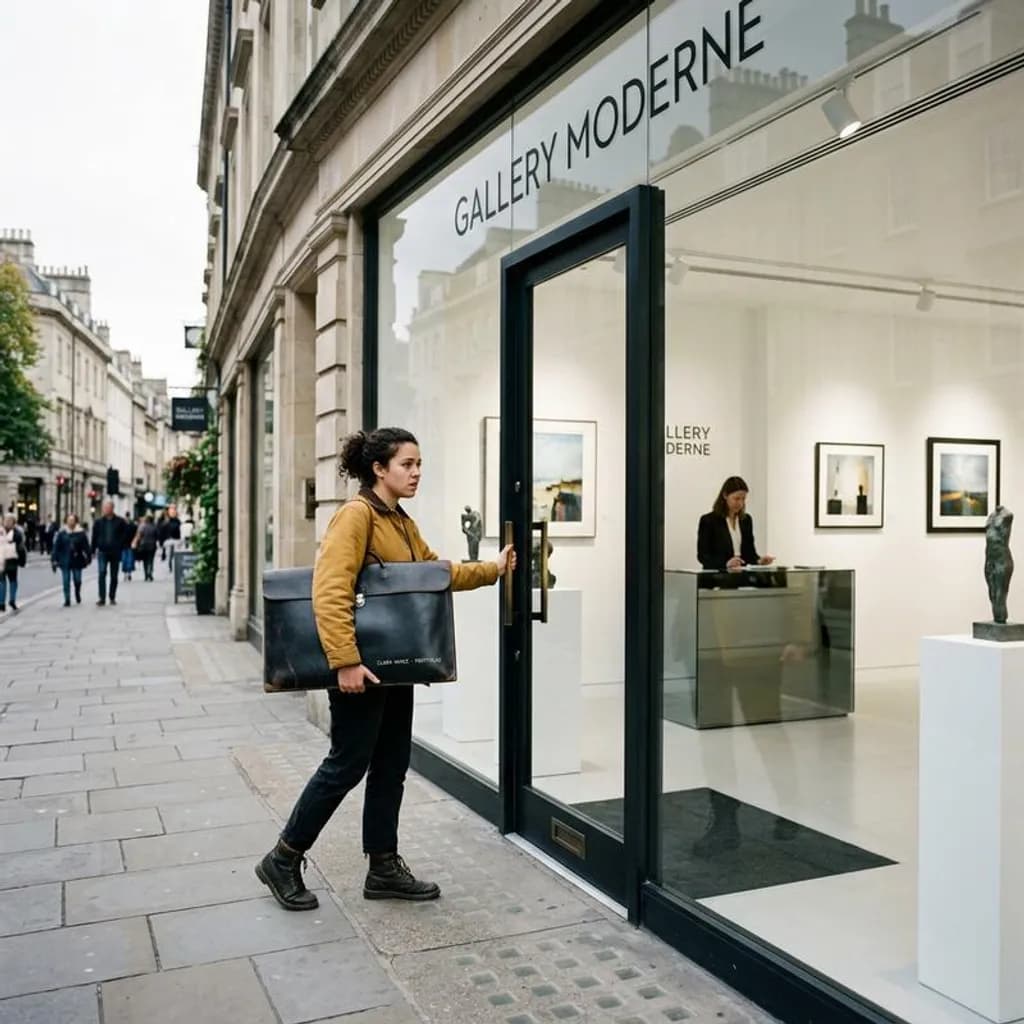
Cómo Encontrar y Acercarse a Galerías de Arte

Traducido de English
Imagen del post 1

Entrar en una galería no se trata de suerte — se trata de investigación, adaptación y el tipo correcto de introducción.

Comienza con la investigación. Visita galerías que exhiban trabajos en tu género, rango de precios y estilo. Quieres encajar de manera natural en la pared — no ser una desviación de lo que normalmente muestran. Mira a los otros artistas que representan. Lee sus directrices de envío. Síguelos en redes sociales durante al menos unos meses antes de contactarlos.

Cuando estés listo para acercarte:

1. Visítalos en persona primero. No para presentar tu trabajo — solo para mirar. Preséntate como artista, observa el espacio, familiarízate con el equipo. Esto hace que tu correo de seguimiento sea más cálido que una propuesta en frío.

2. Envía una consulta enfocada, no tu portafolio completo. Un correo corto y profesional: quién eres, un enlace a tu sitio web, dos o tres imágenes adjuntas, y una oración sobre por qué crees que tu trabajo encajaría en su programa. Los dueños de galerías están ocupados. Respeta su tiempo.

3. No hagas más de un seguimiento. Si no recibes respuesta en 4–6 semanas, un recordatorio breve es apropiado. Más allá de eso, puede parecer una presión.

4. Acepta el rechazo como parte del proceso. Cada artista de galería que trabaja tiene una carpeta llena de 'no'. Los que lograron avanzar siguieron adelante de todos modos.

0

Is it ok for the curator of the gallery to frame your matted print without asking first?

I had this happen to me. She was going to pair it with 3 other artist pieces in the same colors. They all did look good together. I will give her that.

I think (but am not positive) that she threw out the protective sleeve that my print was in as well. the worst part is that the frame is just the smallest bit too big for the mat, and raw edges are seen on either side of the finished framed piece. I allowed it, but I wasn't happy. Now, she's requesting that I take the framed print home because it hasn't sold. I have asked her to take it out of her frame, put it back into it's protected sleeve, and put it back with my other prints. Is this fair, or should I just take it home and sell it elsewhere.

How should she have handled it better? How should I have handled it better?

0

Exhibiting in a very conservative culture

I created this group because I've been really struggling with local exhibition venues and juried shows. I came from 50 years in Santa Barbara, where all kinds of art was valued and celebrated, and I am now living in Utah, which is incredibly conservative, not just politically, but also in what it accepts for art. Having entered several local shows now, that proclaim inclusiveness of all art genres and styles, except for a strong statement against nudity or anything they might deem to go against the LDS/Mormon church. The latter is not said overtly, but in essence is what is said by many. I don't have anything against their religion at all, but I have noticed that the only art that gets recognized and praised, awarded, etc., is realistic art---landscapes, people, animals and flowers, and artwork that depicts Biblical stories, in keeping with the proselytizing emphasis of the dominant culture here. Truly, none of this is said in criticism of this culture into which I was transplanted, but it has created a very real glass ceiling (and walls) for artists of a different background and artistic bent. Bright colors, spiritual (other than biblical), styles that veer off the realistic spectrum are patently ignored, and awards always given to the same Utah landscapes and almost Victorian portraiture. Today, I researched a little to see if I was just imaging this dynamic and realized I wasn't wrong in feeling the way I do. Article: https://artistsofutah.org/15Bytes/towards-a-concept-of-lds-art/ What are your thoughts on this and do you have any tips or insights in how I can navigate this cultural landscape. Thanks!

2