Colibri em aço inoxidável.
Traduzido de English
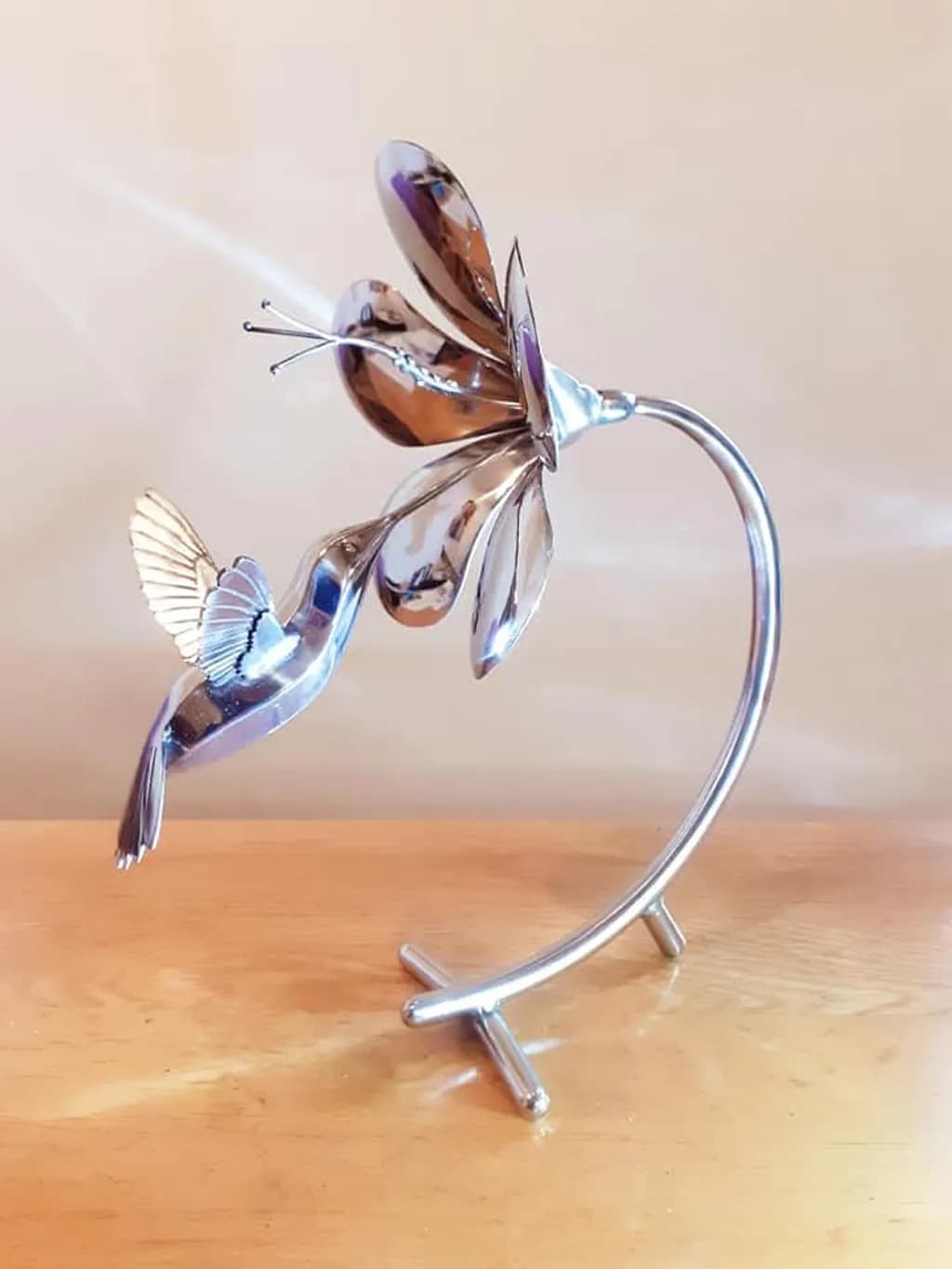
Fui ao Costa Rica em busca dessas aves magníficas.
0

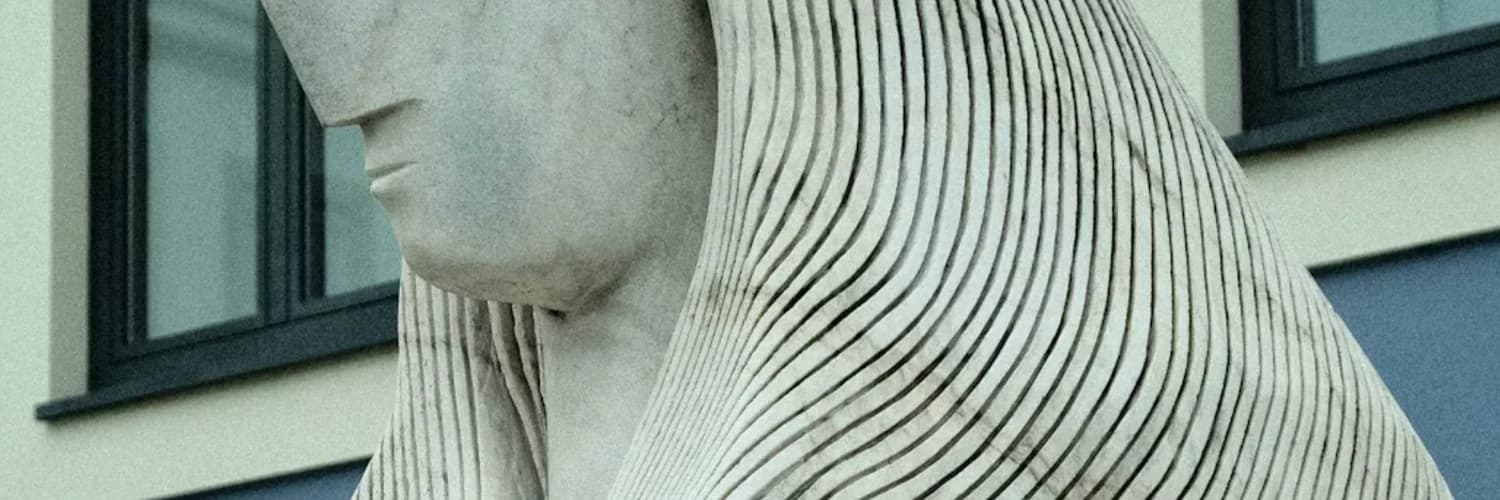
Para aqueles que pensam em três dimensões. Compartilhe suas esculturas e celebre a arte de dar vida à forma.
Fui ao Costa Rica em busca dessas aves magníficas.
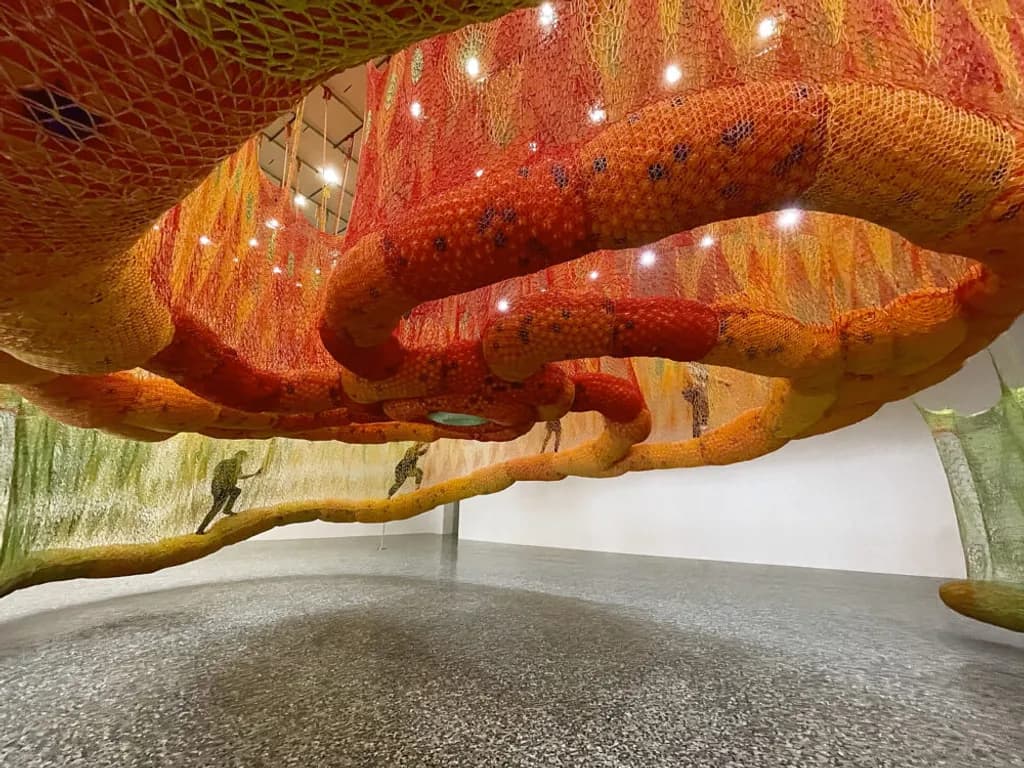
This is "SunForceOceanLife" by Brazilian artist Ernesto Neto. It weighs 6,000 pounds. It's made of hand-woven paracord. And you can walk inside it.
The piece just reopened at the Museum of Fine Arts, Houston — a 35-foot suspended structure with walkable pathways filled with hollow plastic balls. The highest point lifts you 12 feet off the ground. The whole thing sways as people move through it.
Here's what gets me: Neto learned crochet from his grandmother. He took a craft most people associate with blankets and doilies and turned it into a museum-scale installation that requires visitors to sign a waiver, remove their shoes, and trust a 6,000-pound crocheted structure hanging from the ceiling.
It took a full team to build and install. The materials are orange, yellow, and green paracord — vibrant, playful, and the opposite of what you expect when someone says "sculpture."
The piece is a tribute to the cyclical forces of the sun and the ocean. But forget the artist statement for a second — just look at the ambition. This is someone who decided the right scale for crochet was "building-sized" and then actually pulled it off.
On view through September 7, 2026. Free with museum admission.
What's the most ambitious material choice you've ever seen in sculpture? Does this level of scale automatically make something more impressive, or can a 6-inch piece hit just as hard?
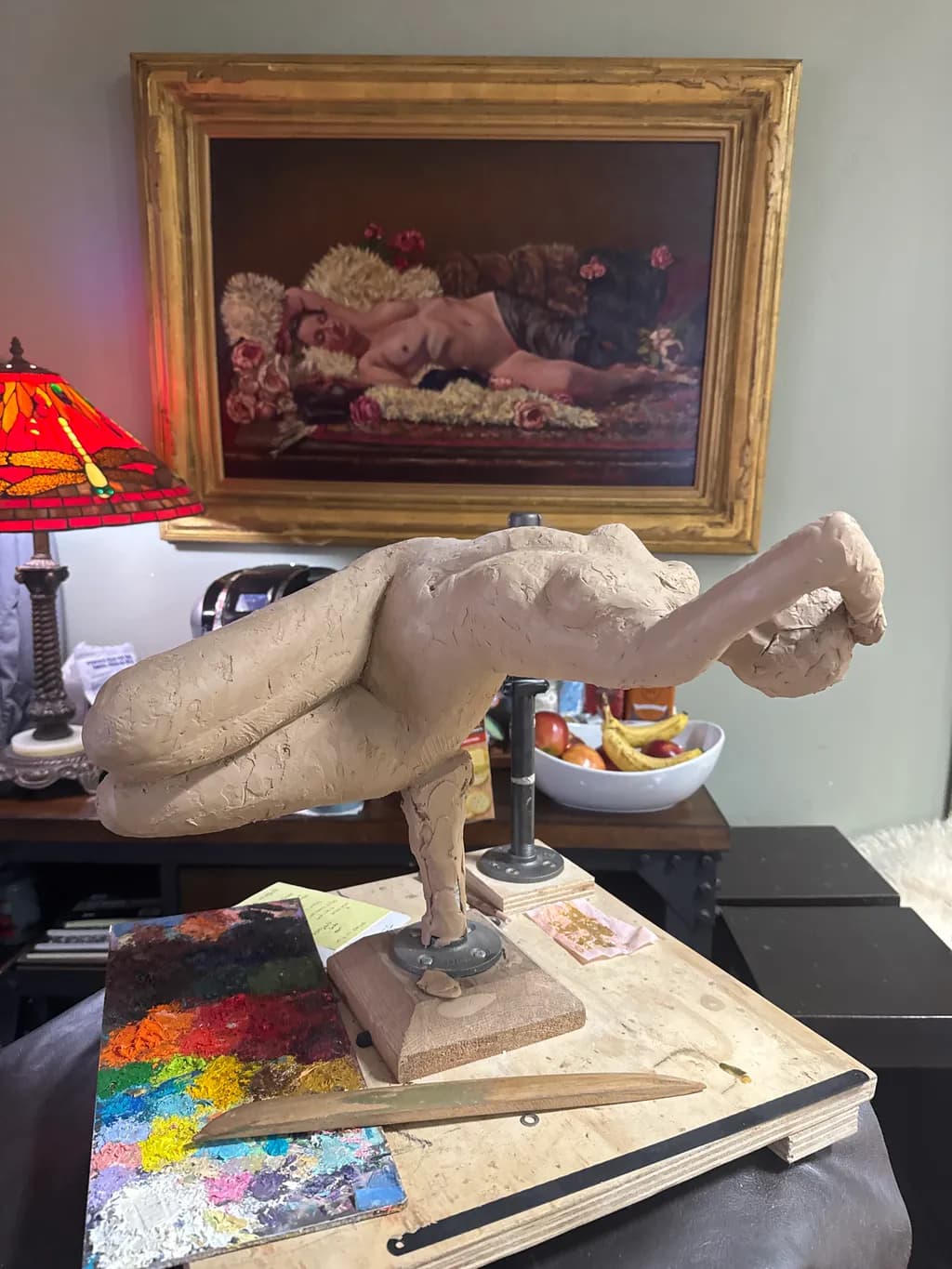
So interested in this new space I paint and I sculpt I hope to find some like minded folks