
Communauté

Exposer dans les galeries et les expositions jurées

Un endroit pour discuter des défis et des aspects positifs lors de l'exposition dans les galeries et les expositions jurées locales. Un lieu pour partager des expériences, poser des questions et partager des conseils et des idées sur comment naviguer dans les luttes parfois déroutantes des expositions artistiques en personne.

Traduit depuis English

Publications

il y a 1sem

The Difference Between Art Fairs and Art Festivals
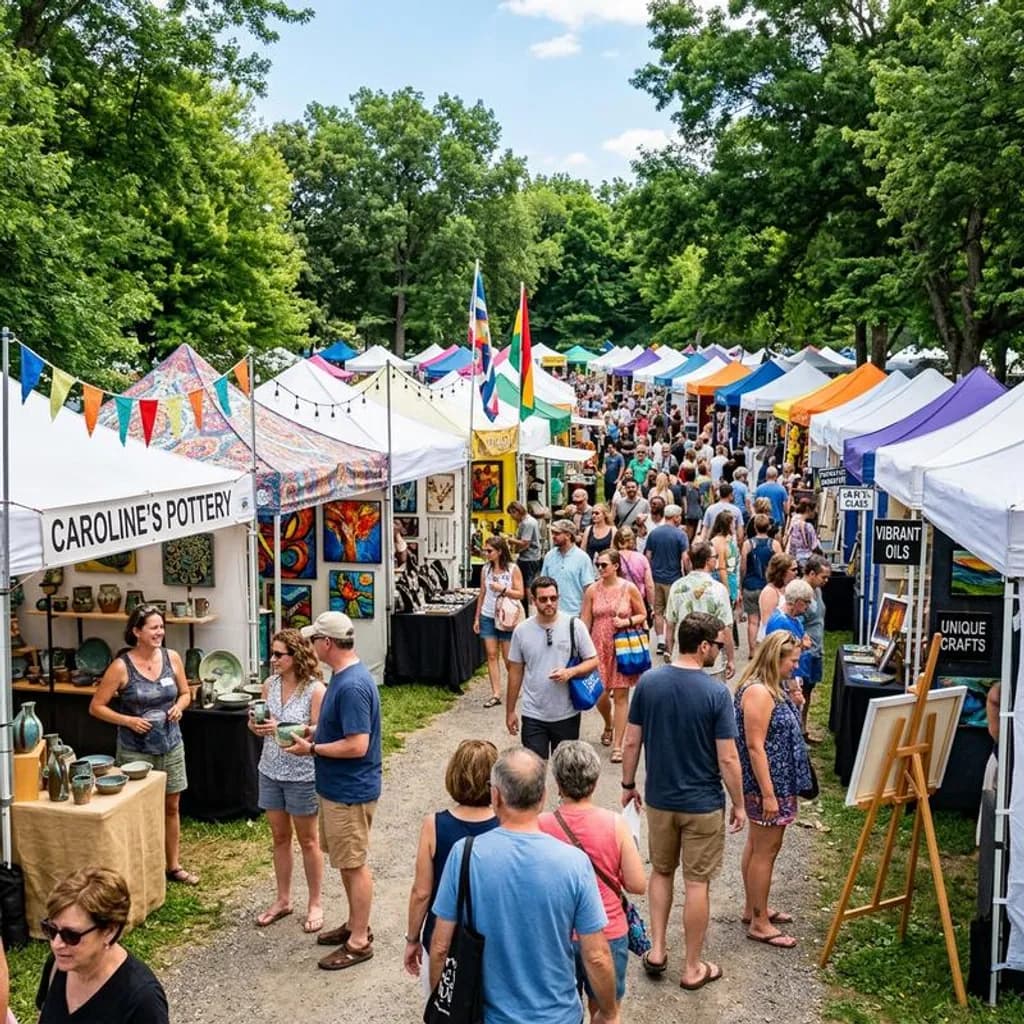
Image du post 1

Artists often use these terms interchangeably, but they're very different environments — with different buyers, different price points, and different goals.

Art festivals are community events. Think street fairs, outdoor markets, local arts weekends. The crowd is broad and casual. People are browsing more than buying. Smaller works and lower price points move well here. It's a great place to build local recognition, sell prints, and find new email subscribers. The vibe is approachable.

Art fairs are industry events. Think Frieze, Art Basel, NADA. These draw serious collectors, gallerists, curators, and press. Works sell at higher price points, and the relationships formed can change careers. Entry is competitive — usually through galleries rather than directly — and the cost of participation is significant.

There's also a middle ground: regional juried art fairs. These are often weekend events in city parks or convention centers, vetted by a jury, with collectors who are genuinely there to buy. Price points sit between festivals and major fairs. These can be excellent for mid-career artists building a collector base.

Knowing which environment you're entering helps you prepare the right work, price accordingly, and set realistic expectations for what success looks like.
1
il y a 1sem

How to Find and Approach Art Galleries

Image du post 1

Getting into a gallery isn't about luck — it's about research, fit, and the right kind of introduction.

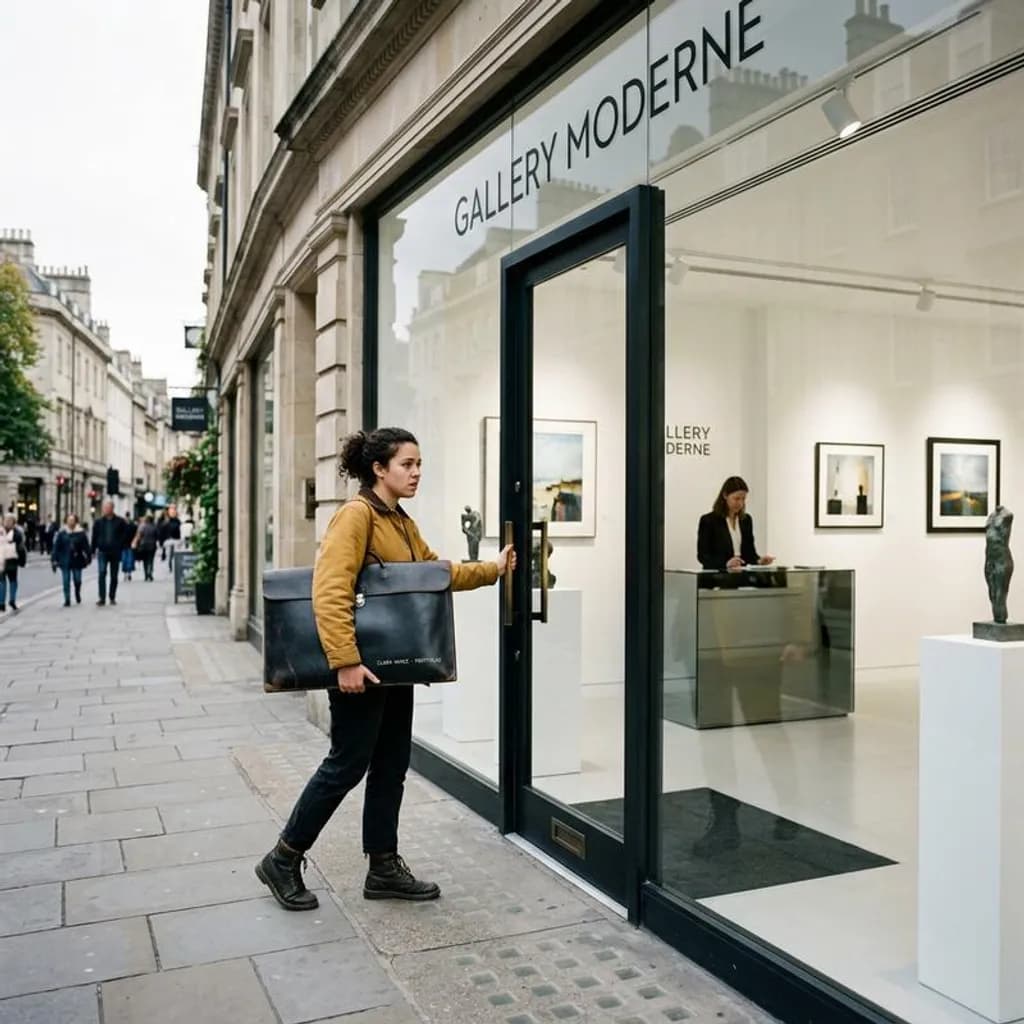
Start with the research. Visit galleries that show work in your genre, price range, and style. You want to be a natural fit on the wall — not a departure from everything they normally show. Look at the other artists they represent. Read their submission guidelines. Follow them on social media for at least a few months before reaching out.

When you're ready to approach:

1. Visit in person first. Not to pitch — just to look. Introduce yourself as an artist, see the space, get a feel for the team. This makes your follow-up email warmer than a cold pitch.

2. Send a focused inquiry, not your whole portfolio. A short, professional email: who you are, a link to your website, two or three images attached, and a sentence about why you think your work would fit their program. Gallery owners are busy. Respect their time.

3. Don't follow up more than once. If you don't hear back in 4–6 weeks, one short follow-up is appropriate. More than that crosses into pressure.

4. Accept rejection as part of the process. Every working gallery artist has a folder full of nos. The ones who made it kept going anyway.

0

Is it ok for the curator of the gallery to frame your matted print without asking first?

I had this happen to me. She was going to pair it with 3 other artist pieces in the same colors. They all did look good together. I will give her that.

I think (but am not positive) that she threw out the protective sleeve that my print was in as well. the worst part is that the frame is just the smallest bit too big for the mat, and raw edges are seen on either side of the finished framed piece. I allowed it, but I wasn't happy. Now, she's requesting that I take the framed print home because it hasn't sold. I have asked her to take it out of her frame, put it back into it's protected sleeve, and put it back with my other prints. Is this fair, or should I just take it home and sell it elsewhere.

How should she have handled it better? How should I have handled it better?

0

Exhibiting in a very conservative culture

I created this group because I've been really struggling with local exhibition venues and juried shows. I came from 50 years in Santa Barbara, where all kinds of art was valued and celebrated, and I am now living in Utah, which is incredibly conservative, not just politically, but also in what it accepts for art. Having entered several local shows now, that proclaim inclusiveness of all art genres and styles, except for a strong statement against nudity or anything they might deem to go against the LDS/Mormon church. The latter is not said overtly, but in essence is what is said by many. I don't have anything against their religion at all, but I have noticed that the only art that gets recognized and praised, awarded, etc., is realistic art---landscapes, people, animals and flowers, and artwork that depicts Biblical stories, in keeping with the proselytizing emphasis of the dominant culture here. Truly, none of this is said in criticism of this culture into which I was transplanted, but it has created a very real glass ceiling (and walls) for artists of a different background and artistic bent. Bright colors, spiritual (other than biblical), styles that veer off the realistic spectrum are patently ignored, and awards always given to the same Utah landscapes and almost Victorian portraiture. Today, I researched a little to see if I was just imaging this dynamic and realized I wasn't wrong in feeling the way I do. Article: https://artistsofutah.org/15Bytes/towards-a-concept-of-lds-art/ What are your thoughts on this and do you have any tips or insights in how I can navigate this cultural landscape. Thanks!

2