Pete Hubbard
Bildender Künstler
Pete Hubbard ist ein Künstler, der in Alternative Processes arbeitet, mit Sitz in Vallejo, California.
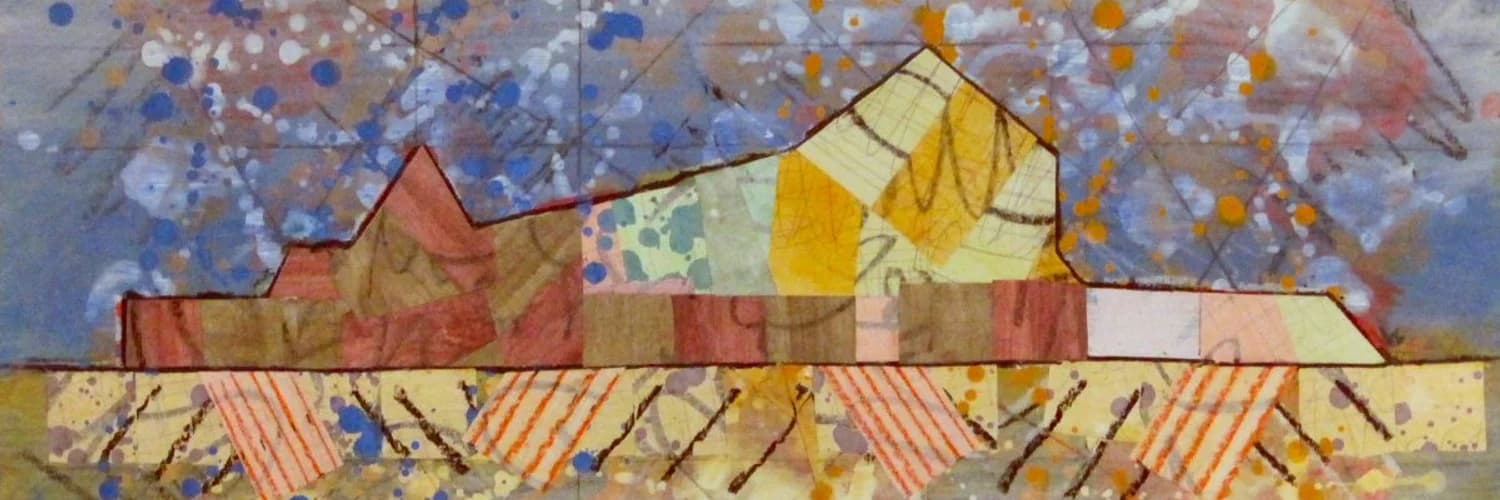
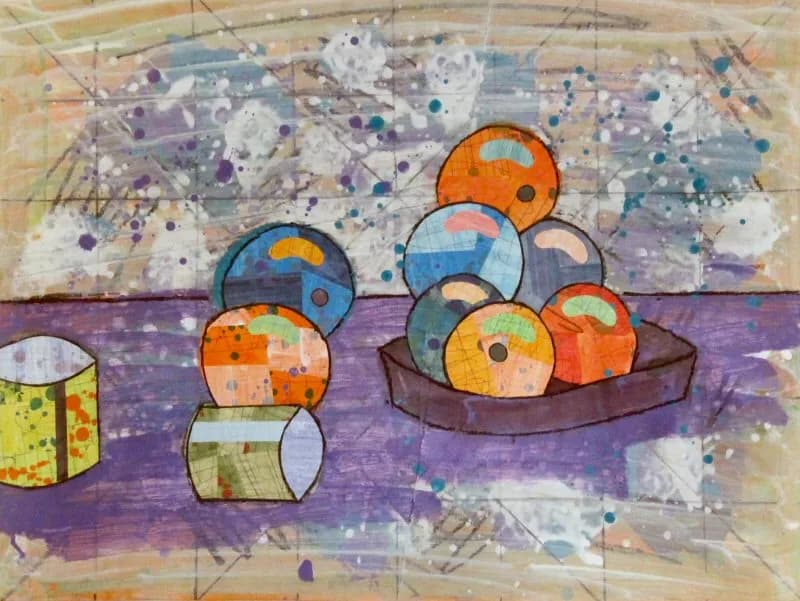
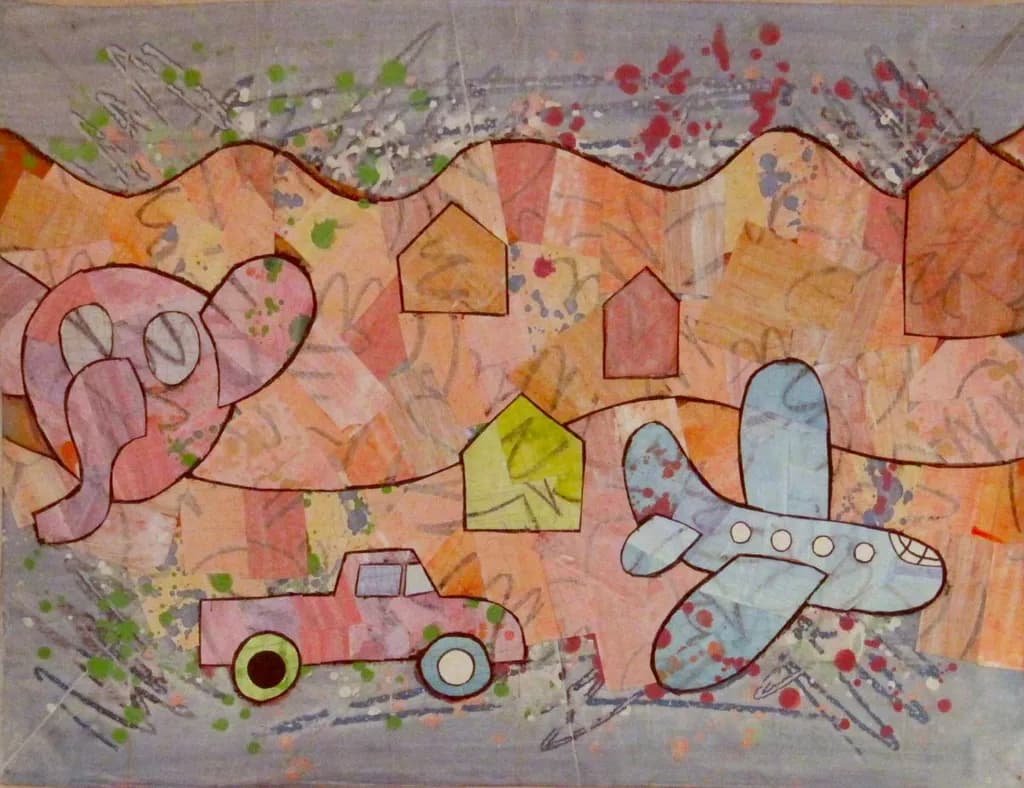
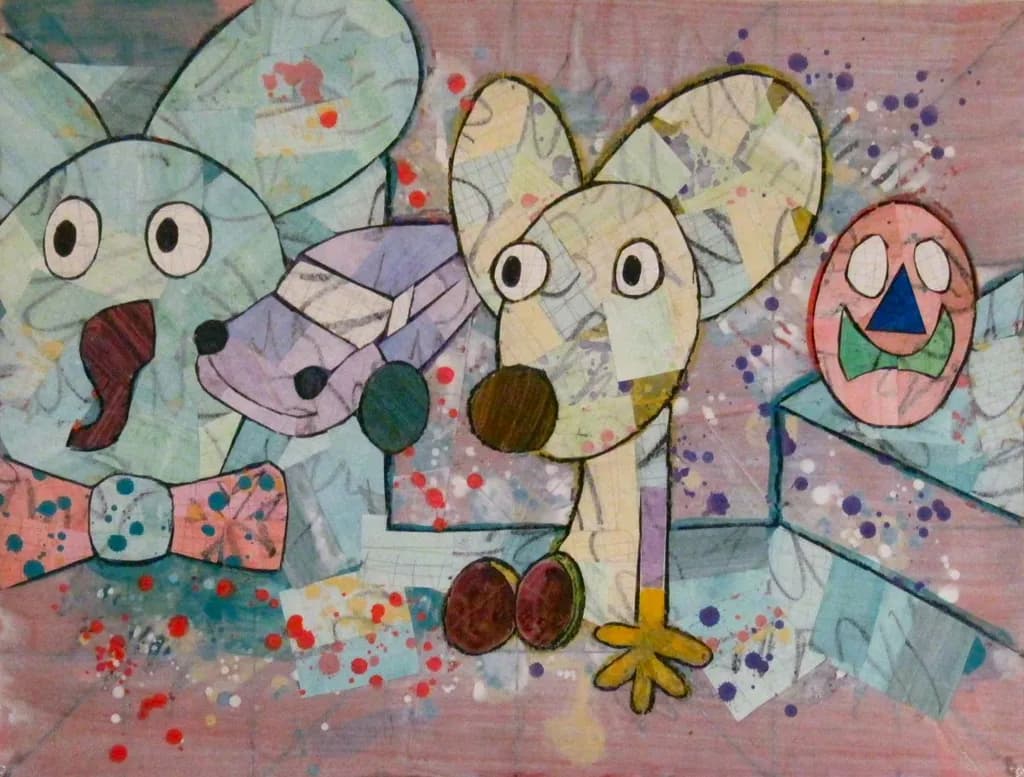
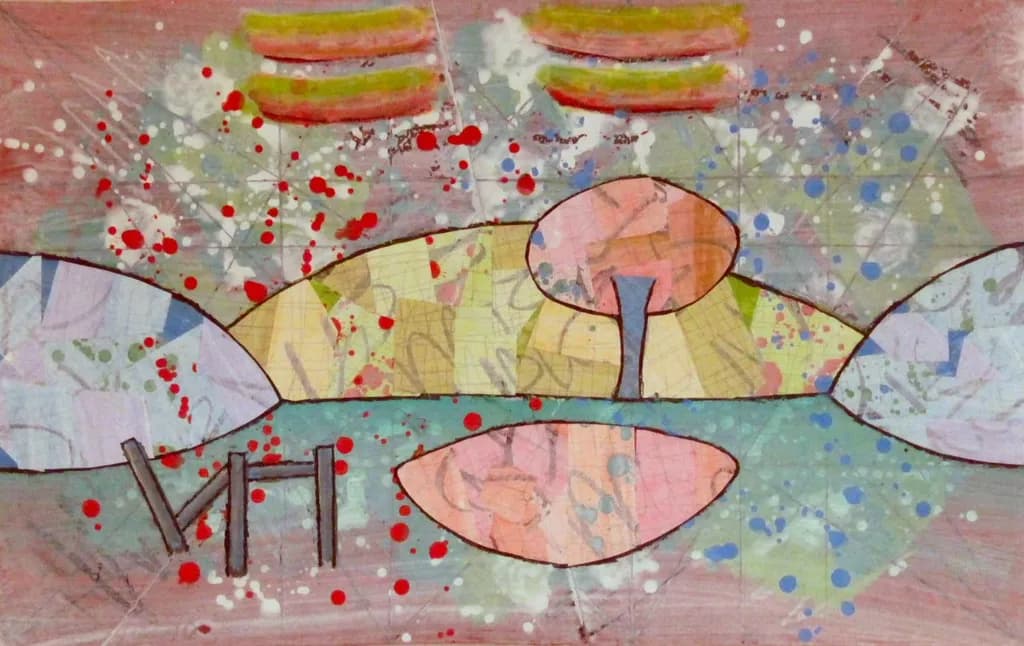
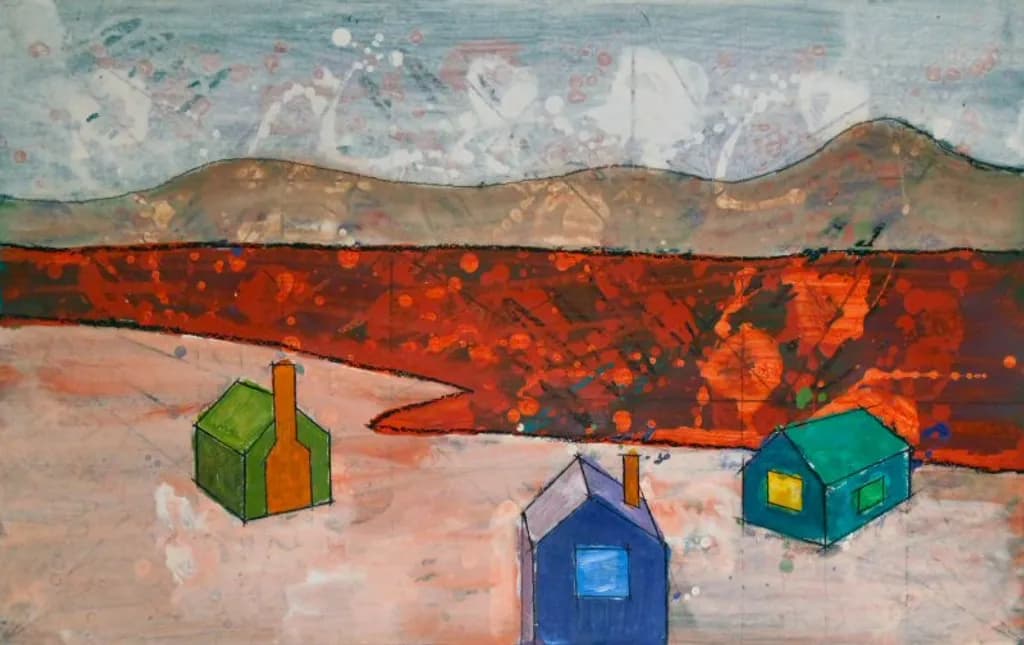
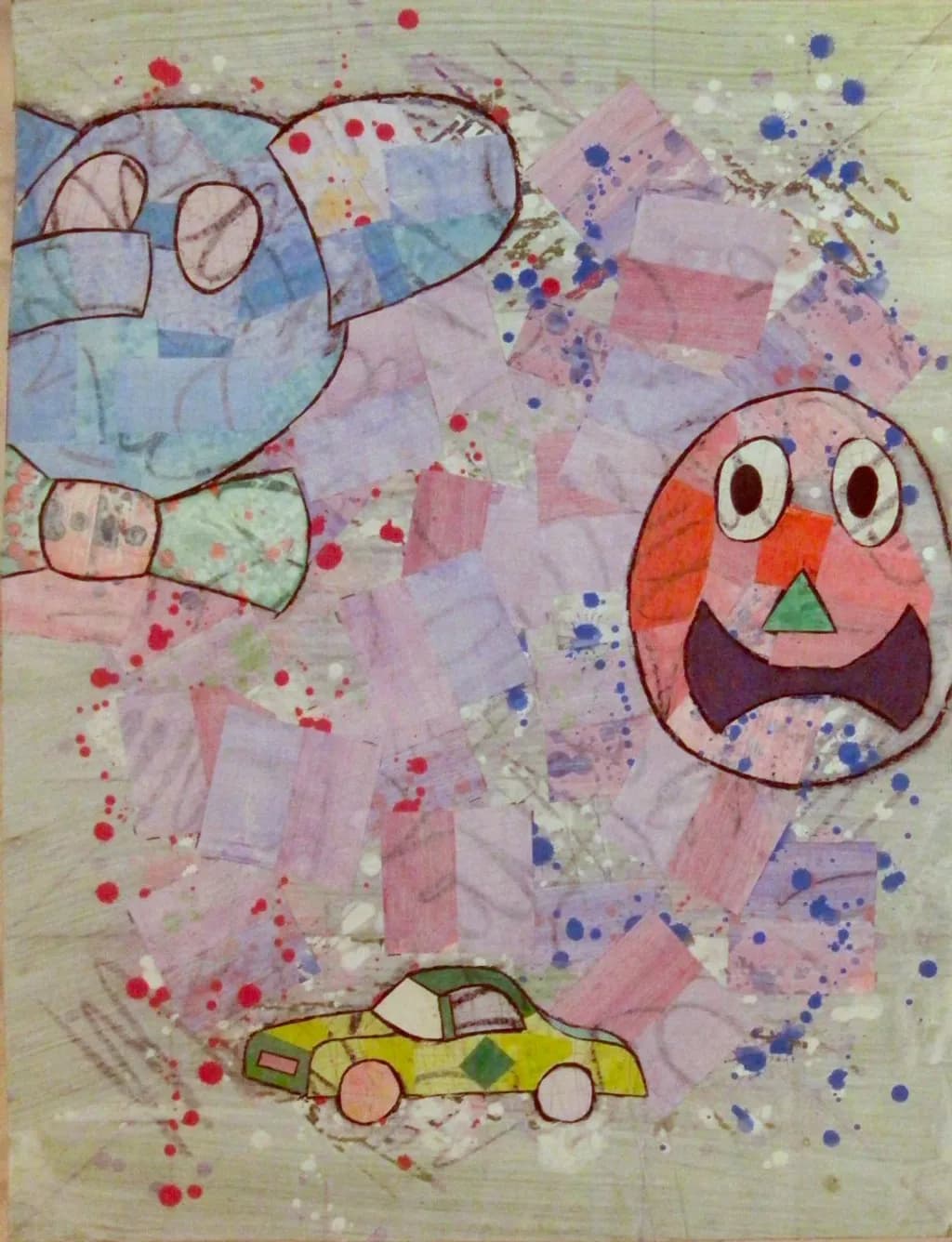
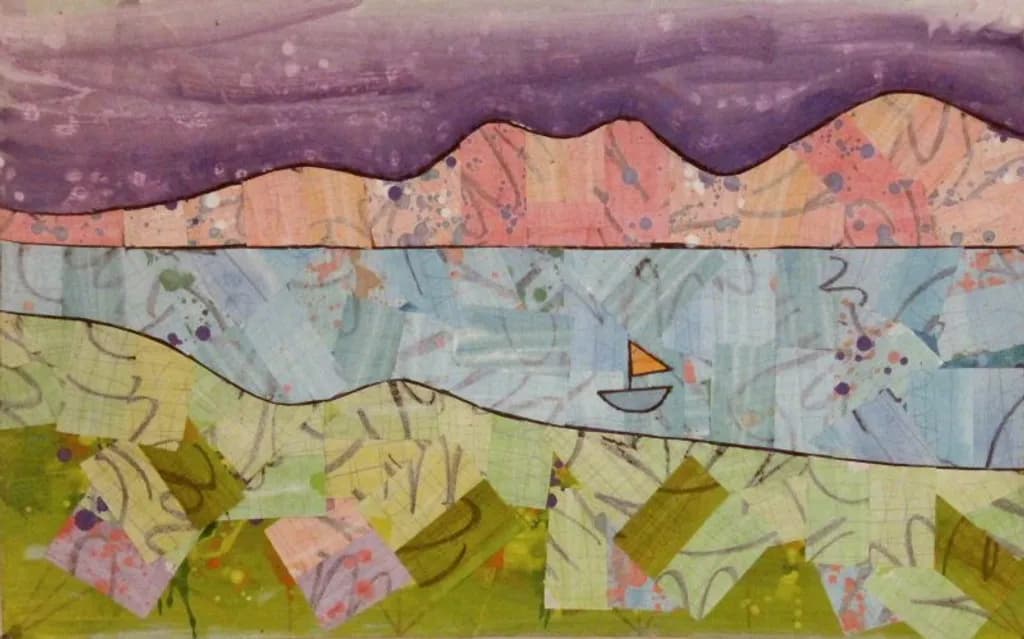
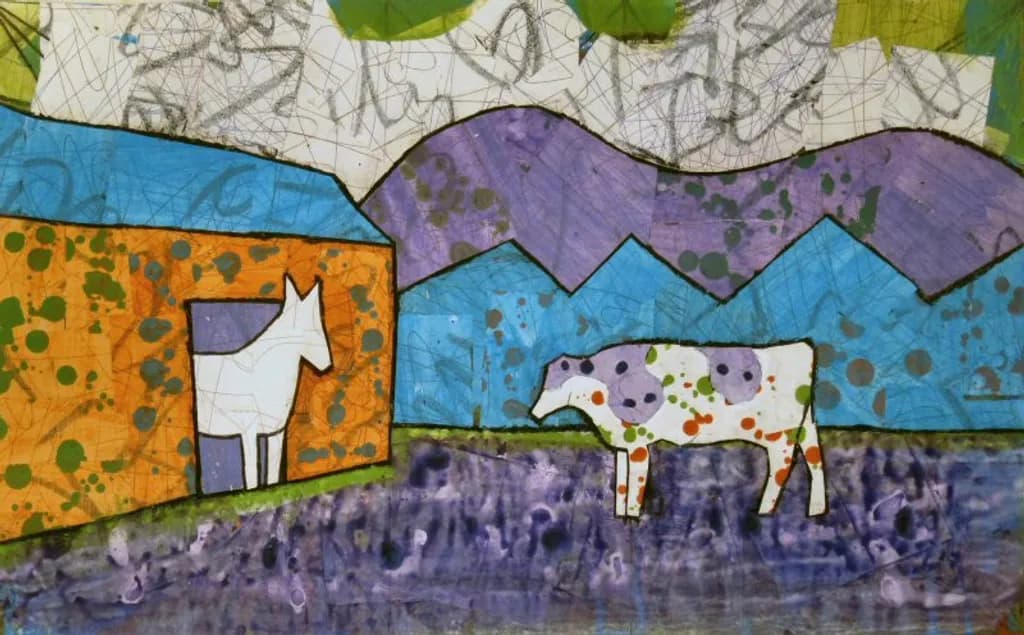
Ich erstelle spielerische Mischmedien-Landschaften und Figuren, indem ich handgezeichnete Linien, kräftige Farben, Collage und spontane Markierungen übereinanderlege. Meine Arbeit verbindet Humor, Erinnerung und Fantasie in Märchenwelten mit einem handgemachten Geist.
Übersetzt aus English
Vallejo, California, United States
Beigetreten am August 2026
Zeigt 12 von 17 Werken
profile.view-all-workEducation
San Francisco Art Institute
1970 – 1976BFA, 74 MFA, 76
1975, Scholarship to Skowhedan summer art school
Exhibitions
I've been keeping my head down and my nose clean
Solo exhibition
Tools & materials
Procedure
- There were two problems: 1) I had to figure out a way to make a living and make art at the same time. And 2) if I was going to make a commitment to painting long term I had to find a way to make it tolerable. The two problems were linked. In art school they taught us to make art by disemboweling ourselves, observing the entrails on the floor and then somehow translating that into art. As a long term strategy that wouldn’t work. What I was trying to get to was a place where I could make a living at a job and make art for a life time and be comfortable with both. Pulling myself through the knot hole of painting as it was taught in art school wasn’t sustainable. Of course ideally I could make a living FROM my art, but that’s a subject for a different book. The germ of an idea for this system was planted while in art school, I noticed something that was obvious on the face of it but I hadn’t thought through the implications. It occurred to me as I observed my self painting. I would paint on my canvas, and then the next day paint on it some more. I would continue this until I thought it was done, quite obvious, right? The problem was I constantly agonized about what I would paint next and I wouldn’t know when it would be finished. It was all a slow painful process that seemed interminable. I went back to Painting 101 and looked at the basic elements of a painting. We had been talking about a thing called a “figure, ground relationship”. So I decided those are 2 of the things I would paint; the figure and the ground. Then I thought “what else do I do on a painting?” I try to fix it, or edit the painting. So I realized that in the early stages of the painting I could paint the ground, the figure, and edit. If I already know I’m going to do it I just go ahead and do it. This is where I get rid of the agonizing part. I didn’t have to over think it. Just put the paint on the canvas and be done with it. I realized I didn’t need to disembowel myself. I further developed the details of this system after getting out of art school and finding myself with no marketable skills. I got into engineering drafting because it involved pencil and paper - “PENCIL & PAPER”; I thought that was close enough to art. I found much to my surprise I liked drafting and it paid well. Here was the job from which I could make a living. I also found there were concepts in drafting and engineering that were surprisingly applicable to art. Engineering is all about procedure. Art has other goals but it achieves them also by way of procedure. So there were ideas I could transplant. This sounded a lot like my earlier thoughts about figure, ground and edit. This manual is meant for the art student who has some background in art, is able to mix paint to a desired color, and understands concepts such as Foreground, Background and Image. Other than that it’s pretty straight forward. As in engineering, it’s mostly just a matter of following the directions, and as with art being able to interpret and be creative with those directions. The novice or beginning art student can do well with this manual in a classroom setting with an instructor who can relate the concepts. -Pete Hubbard, March, 2012