Jerónimos Monastery — Portugal’s History Carved in Stone
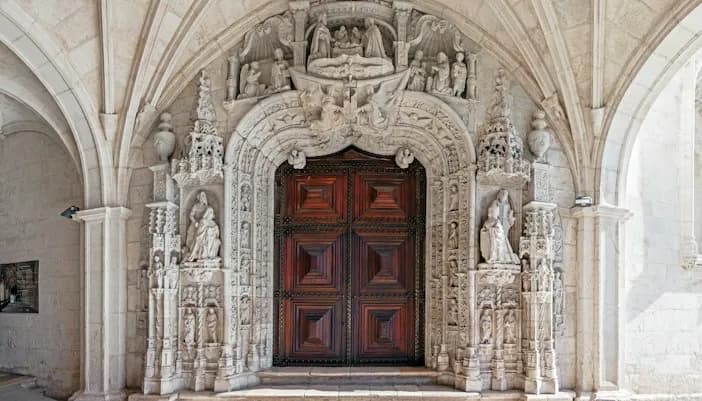
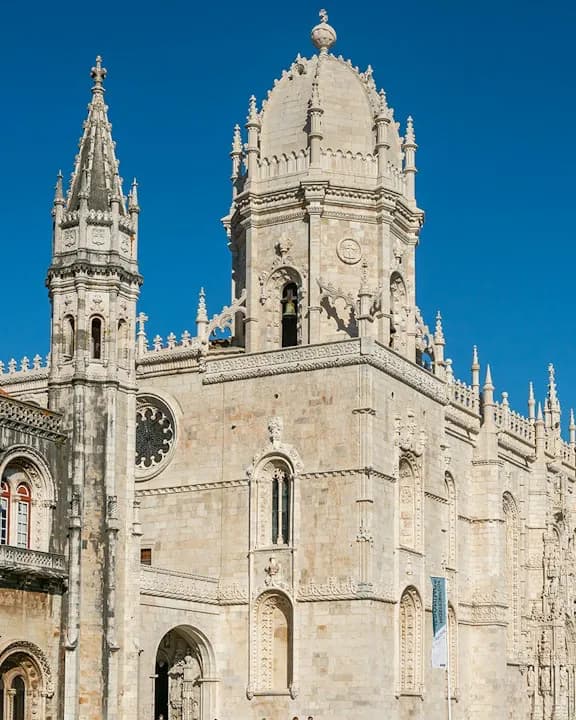
Belém, Lisbon | The Art and Legacy of the Manueline Era
What if stone could tell the story of a nation?
On the banks of the Tagus River, in Lisbon, stands one of Portugal’s most remarkable monuments: the Jerónimos Monastery.
Commissioned by King Manuel I at the beginning of the 16th century, its construction began in 1501, during a period when Portuguese maritime expeditions were reshaping geographical knowledge and connections between continents.
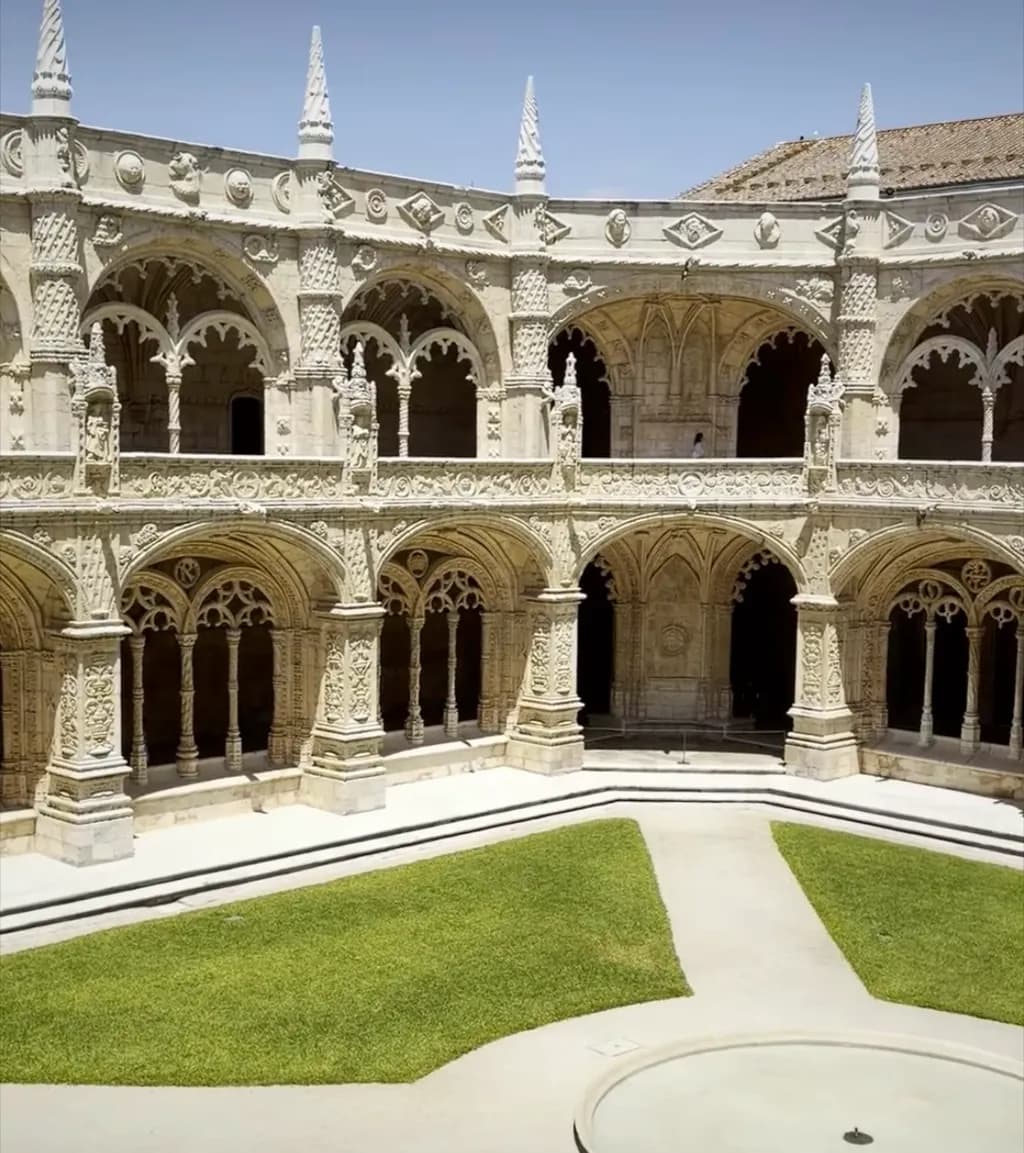
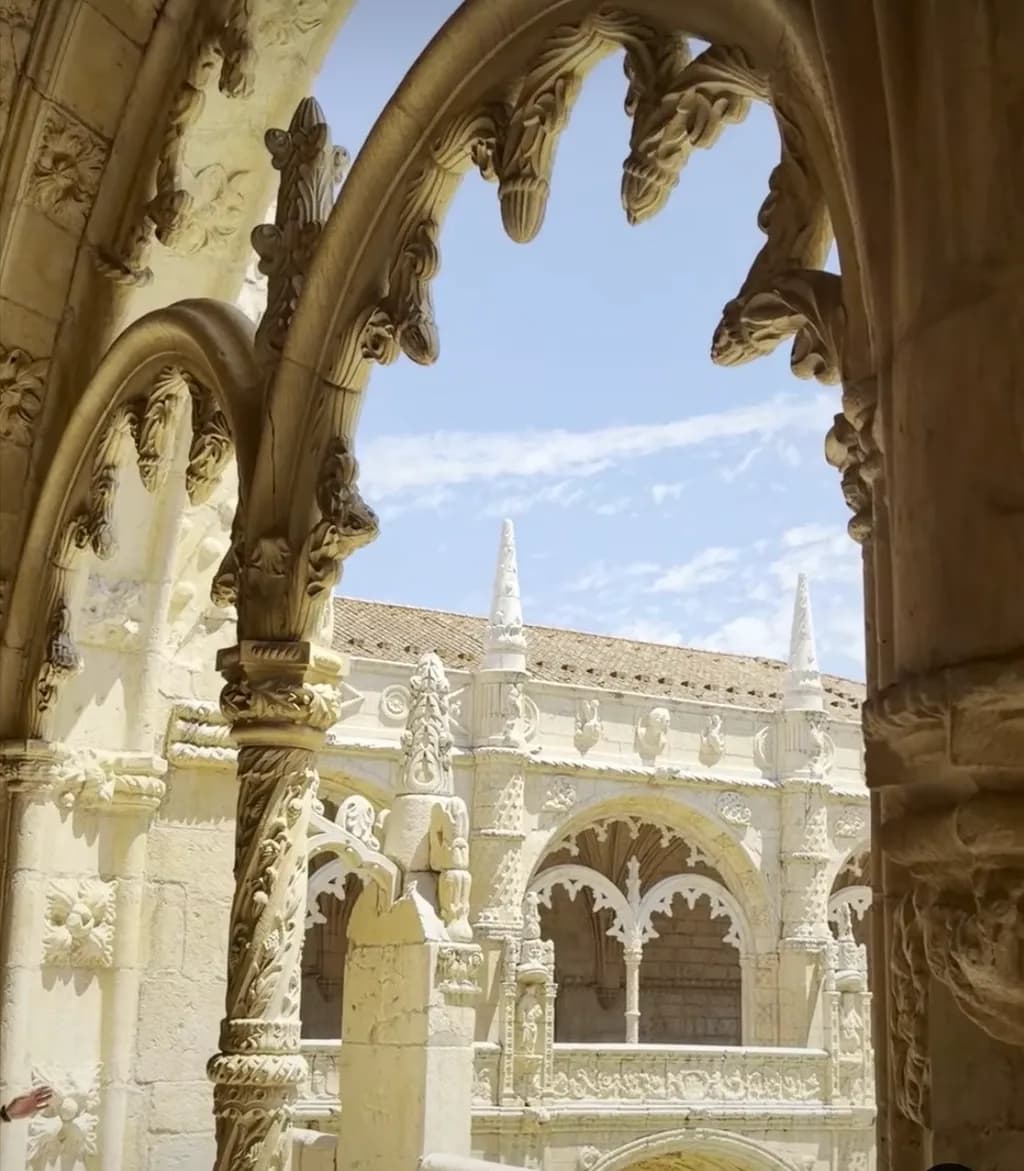
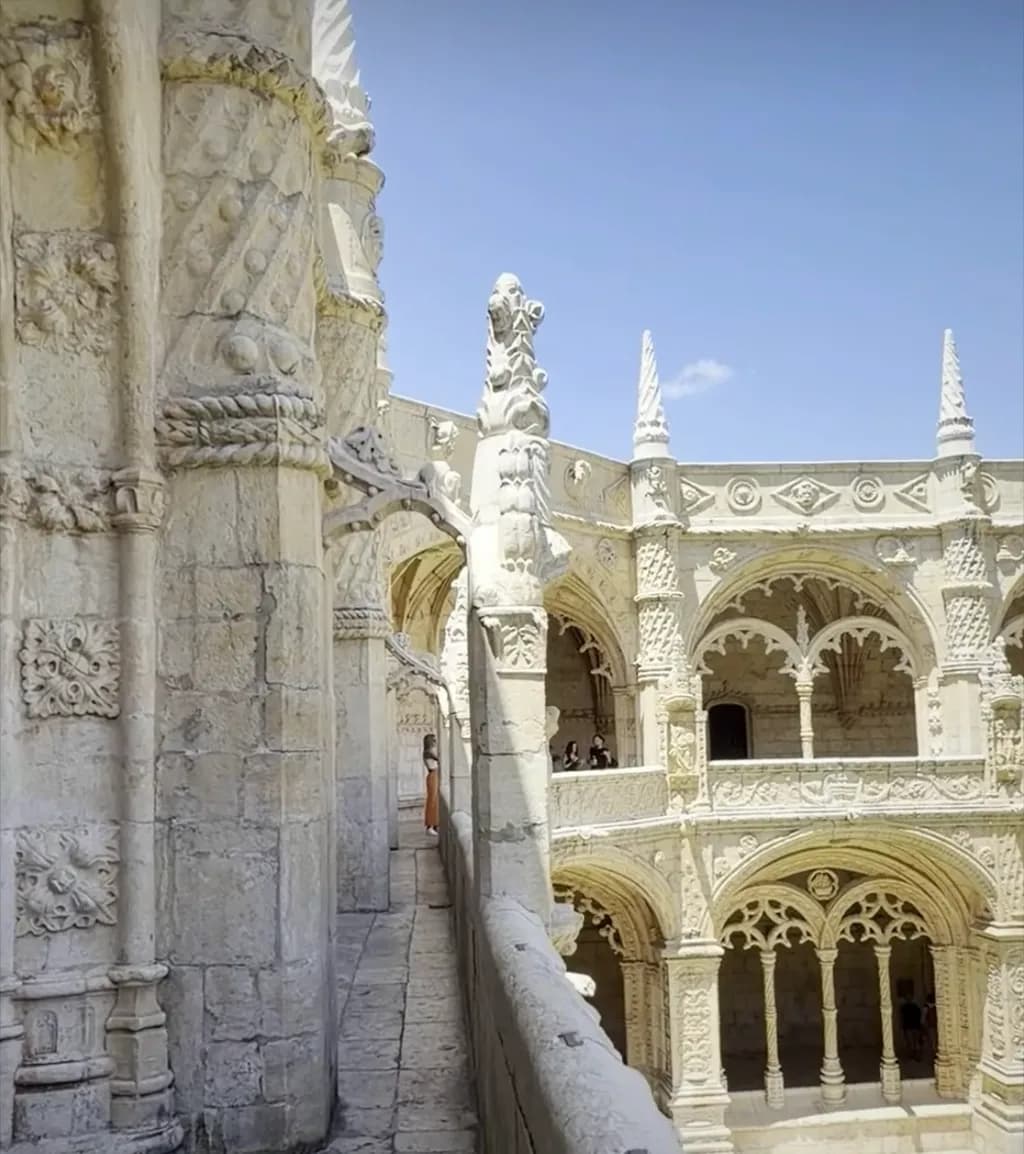
The monastery became an extraordinary expression of the Manueline style, a distinctly Portuguese architectural language combining late Gothic structures, Renaissance influences and elaborate decorative symbolism.
Walking through its cloisters is like entering a book written in limestone.
Delicate arches, intricately carved columns, botanical motifs and royal symbols reveal the imagination of the craftsmen who transformed stone into art. Every detail invites us to look closer.
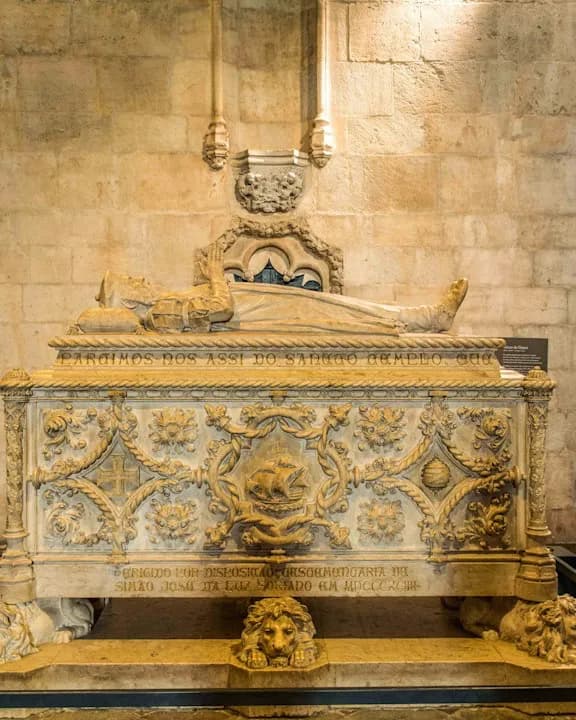
The monastery also preserves the memory of different generations. Its church houses the tomb of Vasco da Gama, while other monuments and funerary sculptures reflect the lives of figures associated with Portugal’s history.
The maritime expansion that helped inspire this monument brought new routes and exchanges, but also conquest, exploitation and profound consequences for the peoples encountered.
Today, recognised as a UNESCO World Heritage Site, the Jerónimos Monastery remains both an architectural masterpiece and a place of historical reflection.
Its stones have survived for centuries. But how carefully do we listen to the stories they tell?
Jerónimos Monastery — Lisbon, Portugal
#JerónimosMonastery #ManuelineArchitecture #PortugueseHistory #CulturalHeritage #StorytellingPhotography #Portugal
Você capturou a incrível estrutura e as esculturas deste prédio lindamente.